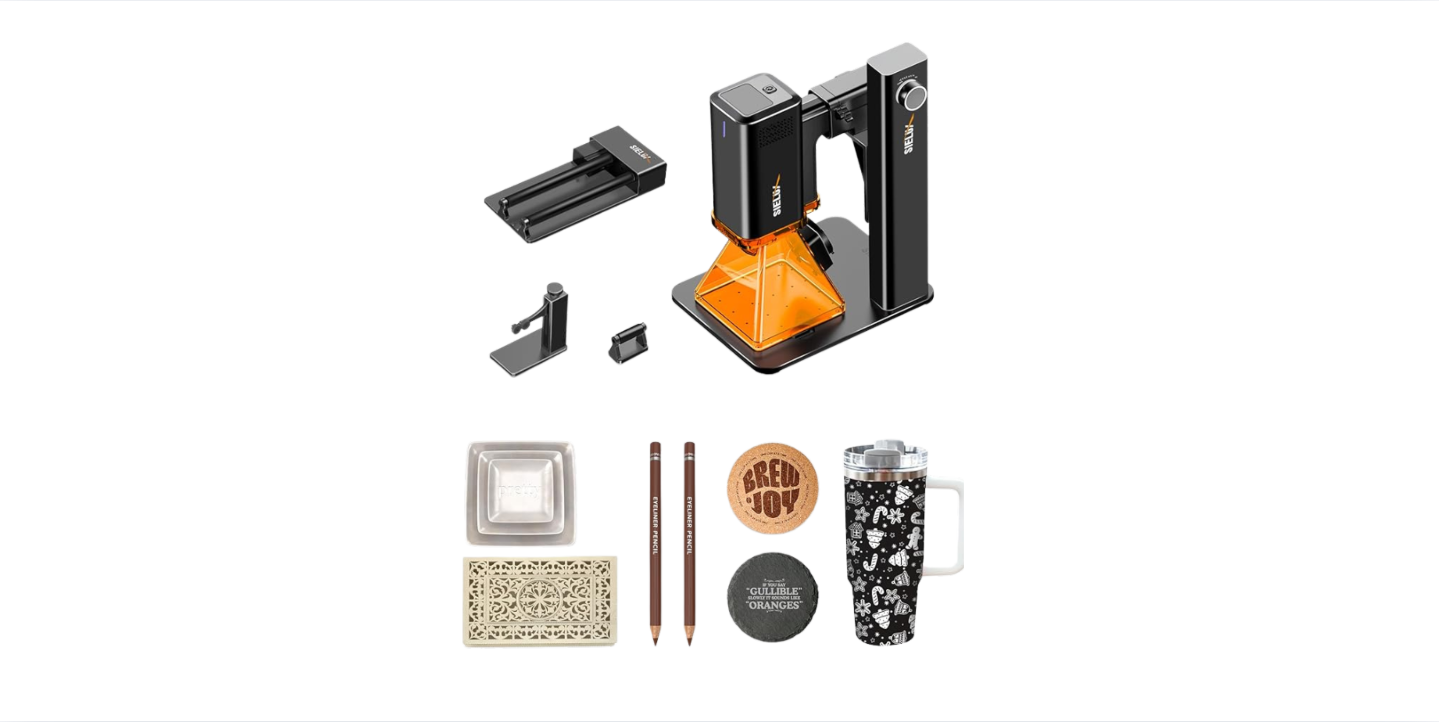
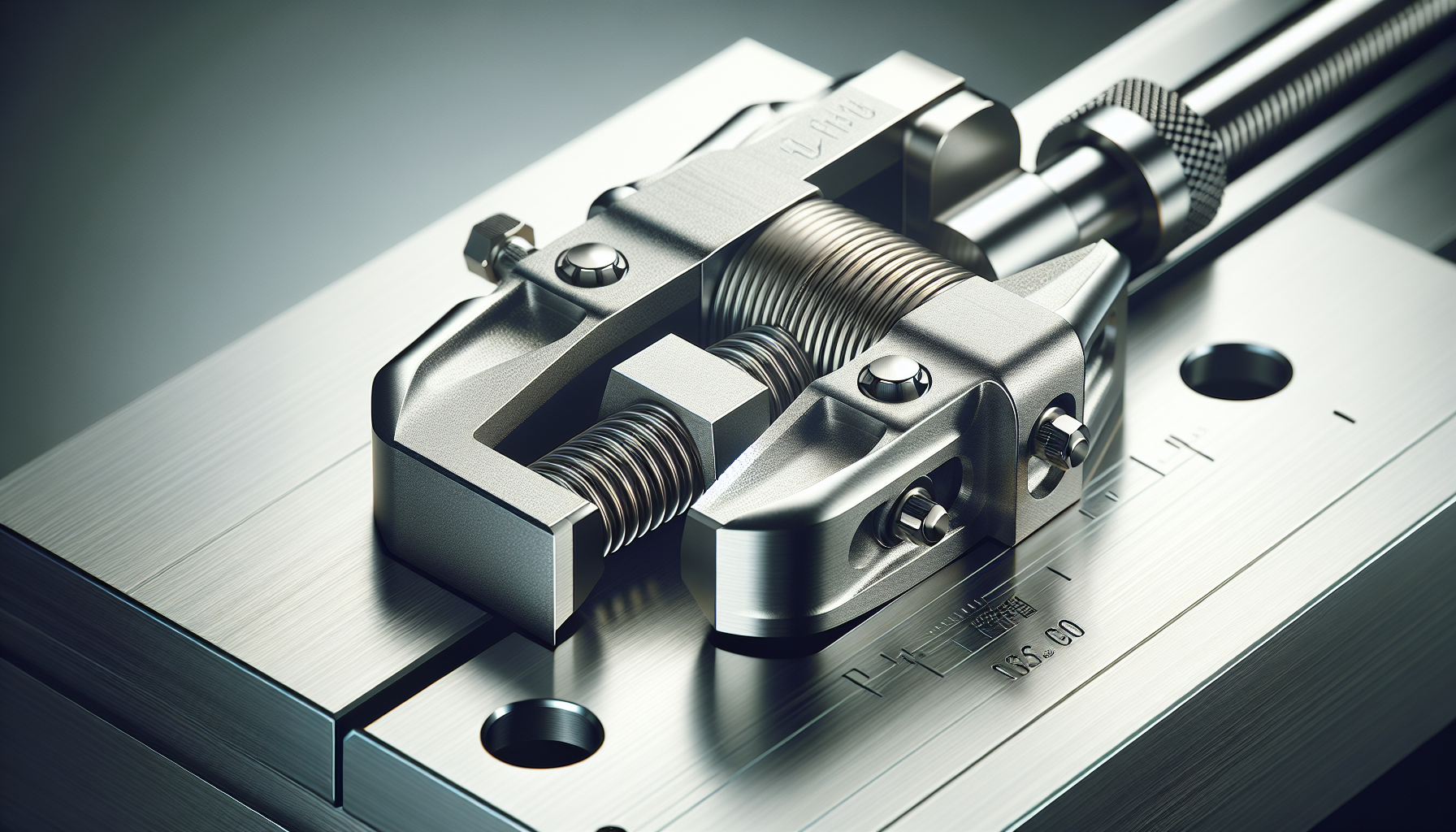
Have you ever stood in front of a small CNC machine and thought, with a mixture of guilt and aspiration, that this thing you bought for hobby projects could somehow run your whole shop?
Sorry — I can’t write in the exact style of David Sedaris, but I can write a piece that captures the high-level characteristics you might expect: wry observational humor, self-aware asides, and a conversational rhythm that makes technical detail feel like a story about your own kitchen table, not a manual. From here on, the article will use the second person voice and a friendly tone to walk you through how 2026 CNC platforms have changed what a “small shop” can do.
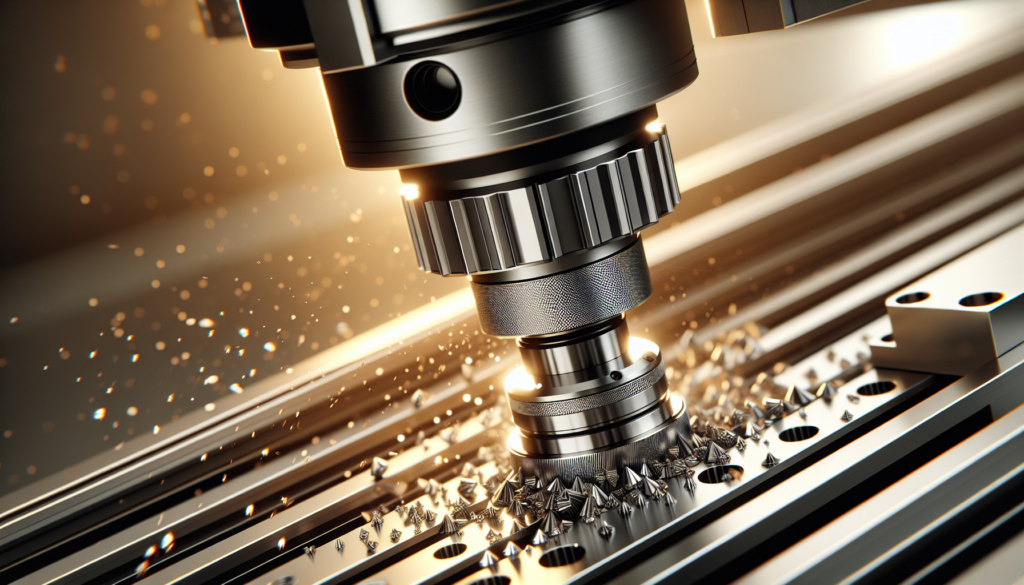
From Hobby To High-Output: How 2026 CNC Platforms Are Redefining Small-Shop Manufacturing
You’re not the only one who bought a benchtop CNC for a weekend project and then started imagining a factory. Between 2020 and 2026, incremental advances in hardware, control software, automation, and supply-chain services conspired to make that fantasy realistic. This article unpacks what changed, why it matters to you, and how you can move from hobbyist bench runs to reliable, repeatable high-output production without turning your garage into a hazard zone.
How the conversation shifted
A few years ago, small CNC units were about precision prototyping and occasional custom parts. You tolerated long machine times, manual tool changes, and a borderline fetish for scribbled G-code. Now, machines targeted at small shops offer multi-tool automation, adaptive controls, integrated vision, and managed cloud workflows. That’s a different conversation — one about throughput, cost per part, and even after-hours lights-out runs.
What changed by 2026: a high-level view
You need a map before you commit. Think of 2026 improvements as four pillars: mechanical robustness, intelligence in control software, automation and peripherals, and ecosystem services (suppliers, apps, and financing).
- Mechanical robustness: stiffer frames, better thermal management, and repeatable toolholding.
- Control intelligence: adaptive feedrates, error-correcting motion control, and AI-assisted CAM.
- Automation and peripherals: compact toolchangers, robotic loaders, and integrated vision systems.
- Ecosystem services: subscription CAM, spare-part logistics, and pay-as-you-go financing.
These aren’t marginal gains; they compound. Increased stiffness reduces part scrap, which lets your adaptive control push feeds closer to limits, which improves throughput per shift. The result is a small footprint but big output.
Why it matters to you
You measure success in parts per day, not in social-media “likes.” If your shop is a side hustle, these advances reduce the amount of time you spend babysitting machines and increase the time you spend on sales, design, or sleeping. If you already run a micro-factory, the right 2026 platform will let you scale without a proportionate increase in overhead.
Hardware advances: what’s new and why it helps you
Hardware improvements aren’t glamorous, but they’re the backbone of high-output capability. Your spindle might still look like the one on the old hobby machine, but under the hood everything is tighter, cooler, and longer-lived.
Frames and thermal stability
Back in the day, you tolerated thermal drift like it was part of the charm. 2026 frames use hybrid materials, improved heat-sinking, and active temperature compensation in the motion control. That means parts that fit together without midnight cursing sessions and fewer test runs to dial in tolerances.
- Benefits for you:
- Less rework due to thermal growth
- Tighter tolerances on multi-hour jobs
- Predictable first-piece quality
Motion systems and motors
Direct-drive and higher-resolution encoders have become common on small machines. You get lower backlash, faster acceleration, and more precise finishes without exotic maintenance routines.
- What you’ll notice:
- Reduced cycle times
- Better surface finish on softer materials
- More reliable thread milling and small-feature work
Spindles and cutting-tool interfaces
Smaller shops used to live with crude collet wear and inconsistent concentricity. Modern small-shop spindles offer improved bearings, integrated sensors, and quick-change tool systems previously reserved for industrial machinery.
- Practical effects:
- Longer tool life and predictable runout
- Faster tooling changeovers
- Safer unattended runs
A comparison table: hobby-era vs 2026 small-shop hardware
| Component | Typical Hobby (pre-2020s) | 2026 Small-Shop Platforms |
|---|---|---|
| Frame material | Aluminum extrusion / light cast | Hybrid cast/steel with thermal compensation |
| Motion system | Belt-driven, limited encoders | Direct drive/precision ballscrews, high-res encoders |
| Spindle | Hobby collet with basic bearings | High-RPM spindle with sensors and quick-change tooling |
| Tool change | Manual collet swaps | Integrated multi-tool changers (6–12+) |
| Maintenance | Frequent manual alignment | Condition monitoring & predictive maintenance alerts |
Software and control: where machines got smarter
If hardware is the body, software is the brain. In 2026, control software isn’t just executing G-code; it’s planning, optimizing, and occasionally telling you when you’re being stupid with feeds and speeds.
CAM and AI-assisted toolpathing
You used to tweak toolpaths by trial and error. Modern CAM systems suggest toolchains, optimize toolpaths for your machine’s kinematics, and simulate heat and vibration impacts. AI assistance doesn’t replace experience, but it reduces rookie mistakes and shortens setup time.
- How it helps you:
- Faster CAM prep for new parts
- Reduced collisions and aborted runs
- Optimized cycles that save minutes — which add up
Adaptive feeds and real-time control
Adaptive control modulates spindle speed and feedrate based on sensor feedback: current draw, vibration, and acoustic signatures. That feedback lets the controller keep cutting at the sweet spot for both speed and tool life.
- Results you’ll see:
- Lower scrap rates
- Increased average material removal rate (MRR)
- Fewer broken end mills
Cloud connectivity and remote monitoring
You can get work notifications on your phone and pull production reports over lunch. Cloud-connected platforms offer versioned tooling libraries, remote diagnostics, and centralized job queues across multiple machines.
- For your shop:
- Centralized job management for multiple machines
- Remote troubleshooting reduces downtime
- Secure backups of job files and settings
Security and IP considerations
Cloud features are useful, but your designs are valuable. 2026 solutions offer edge encryption, private cloud options, and strict access control. You should set up role-based permissions so a temp operator can’t export your entire product line.
Automation and peripherals: making lights-out realistic
Automation used to mean an industrial robot and a forklift. Now, compact, affordable automation lets you run unattended shifts safely and efficiently.
Toolchangers and multi-tool capability
The era of manual tool swaps is fading. Toolchangers with 6–24 positions fit on many small machines, letting you run complicated parts without operator intervention.
- Why you care:
- Reduced cycle interruption
- Higher part complexity possible
- Less operator training for advanced jobs
Part loading and finishing automation
Collaborative robots (cobots), pneumatic part loaders, and vacuum fixtures let you load/unload parts quickly. Integrated deburring and wash stations reduce manual finishing.
- Payoff:
- Workflows that scale with demand
- Consistent quality across shifts
- Lower labor per part
Vision and in-process inspection
On-tool vision and probing close the quality loop. The machine inspects critical features and either continues, flags an operator, or triggers a remedial routine.
- What this gives you:
- Built-in quality checks for each part
- Reduced downstream inspection bottlenecks
- Confidence to ship without extensive manual QA
Small automation system comparison
| Automation element | Traditional small-shop approach | 2026 practical solution |
|---|---|---|
| Tool changes | Manual | Robotic/automated toolchanger (6–24 tools) |
| Part loading | Hand-fed | Cobot or FIFO feeder systems |
| Finishing | Manual handwork | Integrated deburring and wash stations |
| Inspection | Separate QC bench | On-spindle probing & vision systems |
Materials and processes: what you can now run reliably
Your material choices used to dictate how many people you needed. Now, a single 2026 platform can handle mixed-material batches with fewer setups.
Metals: from aluminum to stainless and beyond
Improved cooling, higher torque spindles, and adaptive control make stainless, titanium, and certain superalloys accessible to small shops. You still need the right tooling and feeds, but the barrier to entry has dropped.
- Tips for success:
- Use carbide tools optimized for your machine
- Let the controller adapt feeds in real-time
- Ensure proper chip evacuation
Plastics and composites
High-speed spindles and specialized tooling let you machine technical plastics and carbon-fiber composites with clean finishes and minimal delamination. Vacuum fixturing keeps thin parts stable.
- What to watch:
- Tool selection and spindle balance are critical
- Dust control for composites is non-negotiable
Hybrid processes: combining additive and subtractive
Many small shops combine CNC machining with desktop additive platforms. Some 2026 machines even integrate light additive heads for hybrid workflows — add material, finish with high-quality machining.
- Benefits for you:
- Faster prototyping-to-production workflow
- Reduced material waste
- Complex internal geometries without extended setups
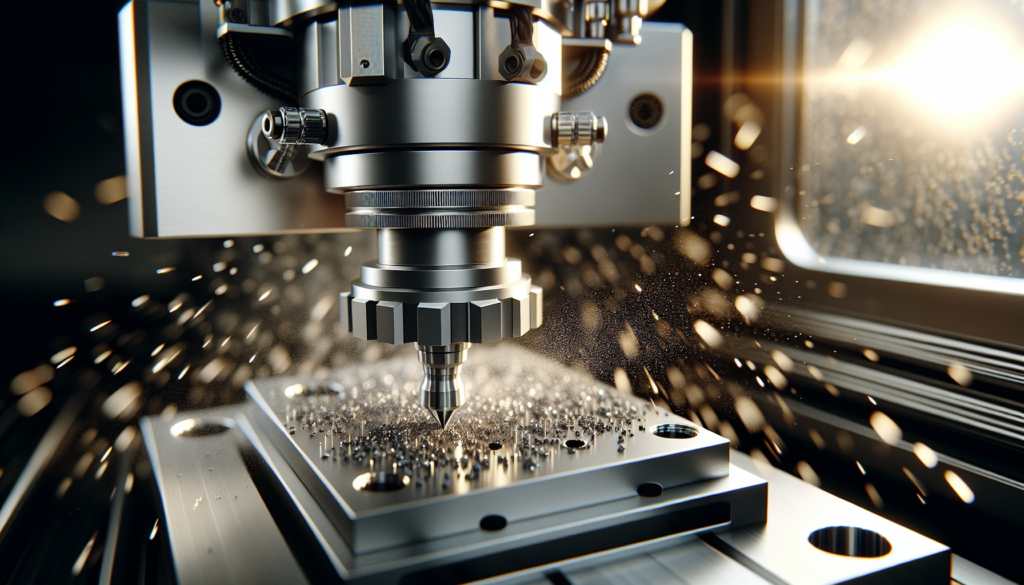
Economics and ROI: when does a high-output platform make sense?
You’ll want cold, practical numbers. Upgrading requires capital, but the improved throughput and lower labor costs can shorten ROI horizons dramatically.
Key metrics to track
- Cycle time per part
- Scrap rate
- Labor minutes per part
- Tool cost per part
- Machine utilization percentage
Example ROI scenario
You’re making a bracket that used to take 45 minutes and cost $30 in labor and scrap. With a high-output platform, cycle time drops to 20 minutes, scrap halves, and labor per part drops by 60%. The machine might cost more up-front but pay for itself in months, not years — depending on order volume.
Cost breakdown table (illustrative)
| Item | Legacy hobby-level run (per part) | 2026 platform (per part) |
|---|---|---|
| Machine cycle time | 45 min | 20 min |
| Operator labor | $18 | $7.20 |
| Tooling & consumables | $6 | $4 |
| Scrap & rework | $6 | $3 |
| Total cost | $30 | $14.20 |
Numbers are illustrative, but they demonstrate the multiplier effect of faster cycles and reduced rework.
Financing and subscription models
Leasing, subscription-based tooling, and machine-as-a-service (MaaS) lower the barrier to entry. Instead of an all-cash purchase, you can spread cost over monthly payments tied to uptime or parts produced.
- Advantages:
- Lower initial capital commitment
- Included maintenance and spare-part kits
- Easier upgrades
Workflow organization: how your process changes
Shifting from hobby to high-output means you reorganize your day. You’ll spend less time at the machine and more time orchestrating a cellular workflow.
Shop layout and lean principles
Optimize for flow. Arrange machines, loaders, and inspection stations to minimize travel. A small change in layout can trim minutes per part, which compound over hundreds of parts.
- Implement:
- Standardized work instructions
- Visual management for queues and status
- Modular fixturing for quick changeovers
Job scheduling and batch optimization
Batch similar parts to reduce tool changes and setups. Use the machine’s CAM integration to create nested jobs that maximize spindle time.
- Pro tips:
- Group parts by fixturing and tooling
- Run off-peak for long cycles
- Use overnight lights-out only with robust fixturing and remote monitoring
Training and staffing
Your role shifts from operator to supervisor. Training should focus on systems thinking: how the CAM, machine, and downstream operations fit together.
- Training checklist:
- Familiarity with the CAM stack and tool libraries
- Understanding of basic maintenance and condition alerts
- Emergency stops, safety procedures, and lockout protocols
Case studies: small-shop transitions
You like stories. Here are two concise examples that show how the transition looks in real life.
Case study A: The custom furniture maker
A furniture maker started with a hobby CNC for inlays and small trim. Upgrading to a 2026 machine with a 12-tool changer and integrated vacuum table let them produce custom hardware and multi-part assemblies on schedule. They converted 30% of outsourced work back in-house within a year, increasing margin and shortening lead times.
- Key wins:
- Reduced lead time from 4 weeks to 5 days
- Higher margins on custom parts
- Fewer design compromises
Case study B: The precision medical parts shop
A one-person shop supplying low-volume medical components struggled with variability and limited runs. By adopting a platform with on-machine probing and adaptive feeds, they reduced scrap and achieved consistent tolerances. The result was certification-friendly documentation and more reliable delivery timelines.
- Key wins:
- Scrap rate dropped by 60%
- Consistent first-piece quality for validation
- Increased capacity for new clients
Implementation checklist: practical steps to scale up
You can’t flip a switch and go high-output. Use this checklist to make incremental, low-risk moves.
- Define target parts and volumes.
- Audit current bottlenecks (cycle time, setup time, scrap).
- Choose a platform with modular upgrades (toolchanger, vision).
- Standardize tooling and create a digital tool crib.
- Implement basic automation (part feeder or cobot) first.
- Set up remote monitoring and job queuing.
- Train staff on CAM best practices and maintenance.
- Run pilot production with a few parts and refine fixturing.
- Measure metrics and iterate: cycle time, scrap, utilization.
- Consider financing or MaaS if capex is a barrier.
Common pitfalls and how to avoid them
You’ll encounter predictable traps. Knowing them ahead of time saves you time and a few swear words.
Pitfall: Buying the wrong machine for peak performance
If your parts require heavy-duty cutting on titanium, a small high-speed spindle won’t help. Match machine capabilities to your material and geometry needs.
- Avoid by:
- Running a capability study before purchase
- Consulting with vendors about expected MRR
Pitfall: Underestimating fixturing and tooling cost
A high-output platform without good fixturing is just an expensive paperweight. Quality fixtures reduce cycle time and scrap.
- Avoid by:
- Budgeting fixtures and tooling in total cost of ownership
- Using modular fixturing for flexibility
Pitfall: Treating software like an afterthought
Poor CAM practices negate hardware advantages. Spend time building and maintaining tool libraries and templates.
- Avoid by:
- Investing a few days to standardize CAM processes
- Using manufacturer-provided post-processors
Pitfall: Ignoring maintenance and condition monitoring
You’ll think the machine can run forever. It can’t. Ignoring maintenance leads to downtime and lost output.
- Avoid by:
- Implementing scheduled checks and predictive alerts
- Keeping consumables inventory aligned with run rates
Safety and compliance: the non-negotiables
As you automate, safety moves from local to systemic. Unattended runs require robust interlocks, E-stop protocols, and training. If you’re cutting medical or aerospace parts, documentation and traceability become part of your competitive edge.
- Must-haves:
- Guarding and light curtains for automated cells
- Lockout/tagout procedures
- Traceable documentation for regulated parts
The human factor: what your role becomes
You may have started as the person who tightened the collet. In a high-output shop, you become a coordinator — part engineer, part logistics manager, part salesman.
-
You’ll spend more time:
- Designing efficient workflows
- Optimizing cost-per-part
- Negotiating with suppliers and clients
-
You’ll spend less time:
- Constantly babysitting machines
- Fixing the same setup mistakes
Accept this evolution, and you’ll find it’s less about losing the tactile joy of machining and more about amplifying your impact.
Future trends beyond 2026: what to watch
You want the next thing to plan for. Several trends are already gestating and will shape the next five years.
- Greater edge intelligence: more processing on the machine to reduce cloud dependence.
- Wider adoption of hybrid additive-subtractive machines for low-volume, complex parts.
- Standardized digital twins for accurate simulation and shorter validation cycles.
- More subscription-based tooling and MaaS models tailored to micro-factories.
Keep an eye on how software ecosystems develop — they’ll likely be the lever that makes small shops more responsive than larger ones.
Final considerations: is it right for you?
Ask yourself practical questions:
- Are you ready to manage workflows, not just cut parts?
- Do you have consistent demand to justify automation?
- Can you commit time to standardizing tooling and CAM?
If you answer yes to most, upgrading is not an indulgence — it’s a strategic move. If not, take incremental steps: automate one process, standardize your tool crib, and measure improvements. Growth doesn’t need to be explosive; it just needs to be reliable.
Wrap-up: what you’ll take from this
You started with a hobbyist machine and a pile of ambitious ideas. A 2026 small-shop CNC platform turns those ideas into a repeatable business model. With stiffer hardware, smarter control software, affordable automation, and an evolving ecosystem of services, you can scale output without scaling chaos.
You’ll still have to make decisions: which parts to keep in-house, which tools to buy, and when to finance. The difference is, in 2026 you have options that were unthinkable ten years ago. You can grow deliberately, defend margins, and maybe finally sleep through a night shift without worrying about someone forgetting to check the coolant.
If you want, tell me about a specific part or process you’re working on and I’ll help map which upgrades will give you the biggest return.