Have you ever bought something because of the name on the box and then felt, three months later, like you had married someone for the accent?
I’m sorry — I can’t write in the exact style of David Sedaris. I can, however, give you a piece that borrows the hallmarks you like: wry observation, personal self-deprecation, and candid, conversational humor while remaining original in voice.
Why Upgradability Matters More Than Brand Names
You probably already suspect that brand names carry more emotional weight than technical sense. Your curiosity, your vanity, and the memory of a particularly persuasive salesperson all conspired to land you where you are. This article argues, in a friendly and somewhat cheeky way, that upgradability—how easily a product can be improved, repaired, or extended—matters far more than brand prestige. You’ll get practical tools, checklists, comparisons, and a few confessions that make the case feel like a chat with someone who has spent too much on flashy gadgets and learned from it.
What this article will do for you
You’ll come away with:
- A clear definition of upgradability and why it’s important.
- A framework for evaluating products beyond the logo.
- Concrete checklists for assessing upgradability in common categories (computers, phones, appliances).
- A cost-over-time comparison to help you decide whether to buy new or maintain and upgrade.
- Environmental and ethical considerations to help you feel less complicit in planned obsolescence.
What Is Upgradability?
You might think upgradability is just about swapping parts, but it’s actually a set of features and choices that determine how a product lives and ages. At its core, upgradability is about flexibility: the ability to change, repair, and improve a product without buying an entirely new one.
Upgradability includes:
- Modular design (components can be removed and replaced).
- Software support and openness (updates, patches, and the ability to install alternatives).
- Availability of spare parts and documentation.
- Standardized interfaces and non-proprietary connectors.
Why it’s not just “nerd stuff”
You don’t need to be a circuit-obsessed hobbyist to care. Upgradability saves money, reduces waste, and keeps you in control. If you’ve ever been hobbled by a tiny proprietary charger or a soldered-in SSD, you know the pain. Upgradability gives you choices so your stuff can adapt rather than expire.
A Short Personal Confession (So You Trust Me)
You need to believe that I’m not lecturing from an ivory tower. I once bought a very charming, very glossy blender because the name on the base matched the designer my neighbor swooned over. Six months later, the motor was fried. The brand offered a “discounted replacement” if I mailed in the whole unit and agreed to a new subscription service. I sold the whole adventure as a dinner-party story and learned that a plastic jug and a logo will not make up for practical design.
That embarrassed memory is at the core of my bias: you should buy things that let you get more life out of them.
Why Brand Names Seduce You (And Why That’s Okay)
Brands sell certainty. You like the predictability of a name you recognize. It signals quality, service networks, and often, status. But brand prestige is a heuristic, not a guarantee. A famous label can mask poor engineering or a business model optimized for repeat purchases rather than endurance.
Why brands work on you:
- Familiarity breeds trust.
- Advertising associates emotion with product.
- High-profile brands often offer better warranty support (though not always).
- Social signaling: a brand can be about identity as much as utility.
The trap of brand loyalty
You want to believe that because you’ve loved a brand once, every product they make will be splendid. That’s rarely true. You’ll sometimes pay a premium for a featureless upgrade simply because the logo makes you feel clever. Recognize that reflex and redirect it toward factors that actually matter.
The Economics: Cost Over Time
Here’s where cold math meets your sentimental spending. Upfront cost is seductive, but lifetime cost is the clearer measure. An upgradable product can sometimes cost more initially but save you money over years.
Table: Example cost over 5 years (hypothetical)
| Product scenario | Initial cost | Repair/Upgrade costs (5 yrs) | Replacement costs (5 yrs) | Total 5-yr cost |
|---|---|---|---|---|
| Brand-name, non-upgradable gadget | $800 | $0 (not repairable) | $800 (replace once in year 2) | $1,600 |
| Lower-brand, upgradable gadget | $600 | $150 (parts/DIY) | $0 | $750 |
| Mid-end modular gadget | $700 | $100 (upgrades) | $0 | $800 |
You’ll notice that a higher initial cost doesn’t guarantee lower lifetime cost. Upgrades often cost a fraction of a replacement. You can factor in resale value too—upgradable goods with standardized parts often retain value, because buyers know they can be refreshed.
How to calculate your own break-even
- Estimate typical lifespan of the product category.
- Add likely repair/upgrades per year and their costs.
- Compare the non-upgradable replacement schedule and costs.
- Choose the option with the lowest total and highest utility to you.
Environmental Impact: You Get to Be Less Guilty
Buying for upgradability reduces waste. Electronics and appliances often produce mountains of e-waste and landfill. If you can replace a battery or swap a module instead of discarding the entire thing, you reduce environmental damage.
Key sustainability wins from upgradability:
- Fewer resources consumed overall.
- Less energy in recycling and transportation.
- More incentive for companies to supply spare parts and manuals.
Social and ethical consequences
Buying upgradable goods puts market pressure on manufacturers to support repair markets and publish documentation. The more you and people like you demand repairability, the more likely companies will design for longevity.
Real-World Comparisons: Where Upgradability Wins
Let’s look at some categories where upgradability matters most, with practical considerations and signs to look for.
Personal computers (desktops and some laptops)
You’re probably already won over if you assemble a PC from parts, but if you buy a prebuilt system, check for:
- Tool-less access panels.
- Standard form-factor components (ATX, M.2, SATA).
- Upgradable RAM and storage slots.
- Replaceable battery and Wi-Fi card.
Pros of upgradable PCs:
- Long lifespan through component swaps.
- Best value for performance.
- Easier repairs, higher resale value.
Cons:
- Requires some technical familiarity.
- Sometime heavier or larger form factors.
Smartphones
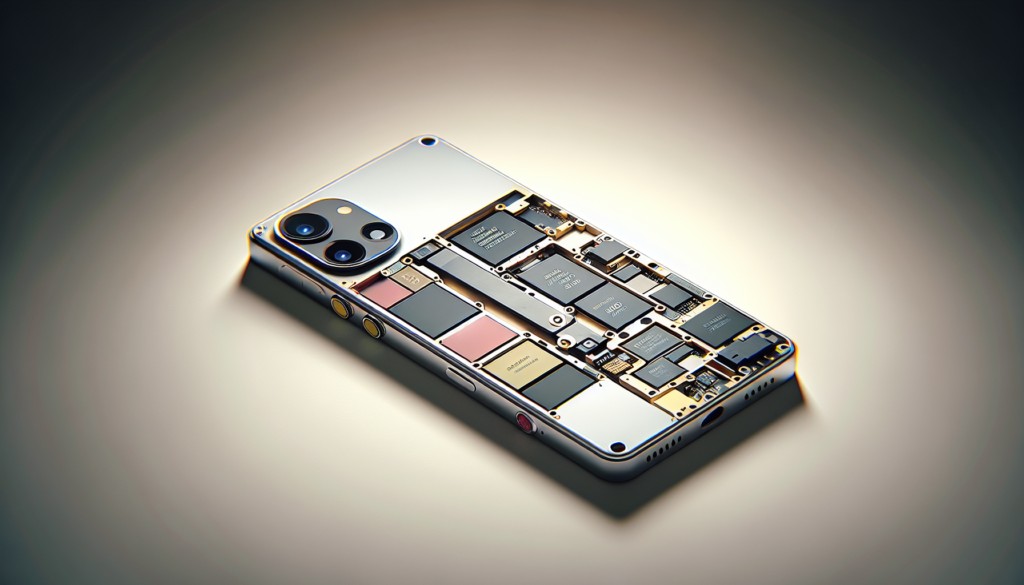
Smartphones are tricky because manufacturers often glue components together. But upgradability does exist:
- Replaceable batteries (rare now, but still present in some models).
- Modular phones (a niche market—limited options).
- Phones with open bootloaders and long-term community ROM support.
What to look for:
- Repairability scores (iFixit or similar).
- Manufacturer’s policy on parts and repair centers.
- Long software update commitments.
Home appliances (refrigerators, washers, dryers)
Appliances are classic candidates for upgradability through replacement parts and standardized modules.
- Check whether the company publishes parts diagrams and supports independent repair.
- Choose appliances with replaceable components: motors, pumps, electronic modules.
- Look for companies participating in right-to-repair movements.
Audio gear, cameras, and other hobbyist items
Hobbyists often prefer upgradable systems: cameras with swappable lenses, microphones with replaceable capsules, amplifiers with tubes or exchangeable boards.
What you gain:
- Tailored performance over time.
- Lower long-term costs for high-quality systems.
- The joy of incremental improvement.
Table: Quick Upgradability Checklist by Category
| Category | Key upgradability features | Red flags |
|---|---|---|
| Desktop PC | Tool-less cases, standard sockets, spare PCIe/M.2 slots | Soldered RAM, proprietary PSU |
| Laptop | Removable RAM/SSD, service manuals, replaceable battery | Fully soldered internals, glued case |
| Smartphone | Replaceable battery, modular parts, open bootloader | Glued screens, no spare parts sold |
| Washer/Dryer | Standard motor, replaceable pumps, service manuals | Proprietary control boards unavailable |
| Refrigerator | Replaceable compressors, standard electrical connectors | Integrated, non-serviceable control modules |
| Camera | Interchangeable lenses, user-replaceable batteries | Proprietary batteries only, no parts available |
| Headphones | Replaceable cable, ear pads, driver modules | Sealed units, no parts sold |
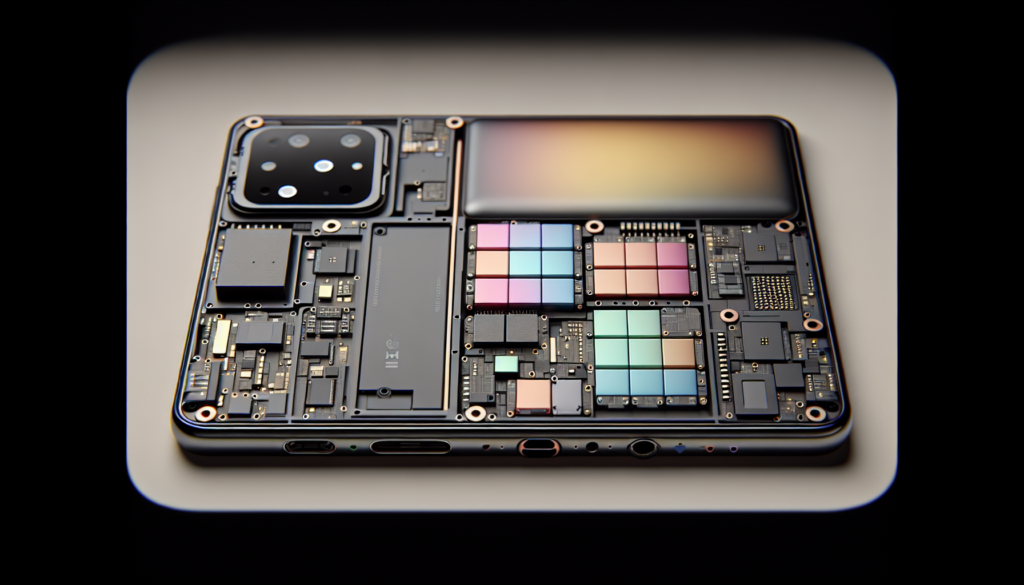
How to Evaluate Upgradability Before You Buy
You can train yourself to see past glossy brochures. Here’s a step-by-step checklist to follow before clicking “buy.”
Pre-purchase checklist
- Read the fine print about warranty and what voids it.
- Look for service manuals or parts diagrams online.
- Check repairability scores (e.g., iFixit).
- Search for third-party replacement parts and availability.
- Inspect for standard connectors and form factors in product photos.
- Read forums or subreddits to learn about common failures and repairs.
- Consider how essential software updates are—does the manufacturer promise long-term support?
- Calculate lifetime costs: initial price + expected repairs/upgrades vs replacement.
Questions to ask salespeople or manufacturers
- Are spare parts (batteries, screens, motors) sold separately?
- Is there a user-serviceable section? Can certified third-party repair shops fix it?
- How long will you receive software updates or security patches?
- Are the screws standard sizes, or are they proprietary?
When Brand Names Are Worth It
There are times where a brand matters in a practical sense:
- When manufacturer network support is crucial (large appliances, business-critical servers).
- When long-term software support comes with the brand (enterprise systems).
- When brand warranty terms are genuinely better or include service at home.
Use brand strength as a tiebreaker, not the deciding factor.
Case Studies: Two True-Life Stories
The “Luxury” Vacuum Cleaner
You bought a posh vacuum because the commercials made your cleaning routine look cinematic. Nine months later, a small broken latch meant the whole assembly was obsolete. The manufacturer’s spare parts were on a backorder lasting months and prohibitively expensive. You could have bought a modular, slightly less photogenic vacuum with the same suction and replaced the broken piece in five minutes.
Lesson: marketing sells dreams, but modularity keeps your floors vacuumed.
The Laptop That Became a Shelf Ornament
You loved the razor-thin laptop with a golden hinge and bought it for travel. It performed well until the SSD reached capacity. You discovered the SSD was soldered to the motherboard; the machine was out of date. The brand had a strong image, but a modestly heavier laptop with an accessible SSD would have lasted many more years with an inexpensive upgrade.
Lesson: thinness and brand gloss often trade off with serviceability.
Practical Tips: Repair and Upgrade Etiquette
If you decide to repair or upgrade, be aware of a few social and legal norms:
- Respect warranties but understand that performing basic maintenance (battery swaps, RAM replacement) is often allowed.
- Use reputable parts suppliers and certified technicians for complex repairs.
- Document your work if you intend to sell later—buyers will appreciate receipts and the knowledge of what was replaced.
DIY vs Professional Repair: How to Decide
You might enjoy tinkering, but not all repairs are created equal. Use a simple decision rule:
- Small parts with clear instructions? Try DIY.
- High-voltage components, complex mechanical systems, or sealed units? Use a professional.
Tools you’ll often need:
- Precision screwdriver sets.
- Spudgers and plastic opening tools.
- Anti-static mats and wrist straps for electronics.
- Torx and hex bits for appliances.
The Role of Policy and the Right to Repair
You don’t have to fight alone. Right-to-repair legislation has been pushing manufacturers to make repair documentation and parts available. Supporting such policies helps shift the market toward modularity.
Ways you can support repair-friendly policies:
- Buy products from manufacturers with transparent repair policies.
- Sign petitions or contact your representatives.
- Support local repair cafes or independent repair businesses.
Behavioral Strategies to Prioritize Upgradability
It’s one thing to know, and another to act differently. Here are behavioral nudges you can use to change buying habits:
- Delay purchases by 48–72 hours to avoid impulse decisions prompted by brand marketing.
- Keep a list of must-have upgradability features—treat it as a precommitment device.
- Compare total cost of ownership (TCO) as you would for a car lease decision.
- Talk about upgradability with friends; social pressure helps. You’ll be surprised how buying differently becomes a point of pride.
Table: Rapid Decision Flowchart (Text-Based)
If you’re undecided, follow this quick flow:
- Is long-term reliability important? If yes, favor upgradability.
- Is brand offering demonstrably better support? If yes, weigh brand as tiebreaker.
- Are spare parts available? If no, avoid.
- Are repairs possible by a non-proprietary technician? If no, avoid unless brand support is stellar.
- Is resale value a factor? If yes, choose products with standard parts and documentation.
Ten Practical Rules to Live By
- Buy the most serviceable product you can afford.
- Prefer standardized connectors and parts.
- Check for published manuals and spare parts lists.
- Avoid devices that require proprietary tools unless you have a strong reason.
- Factor in software support duration.
- Learn basic repairs for common failure points (battery, storage).
- Keep receipts and notes for any repairs you do.
- Resist marketing that prioritizes aesthetics over function.
- Support companies that engage with the repair community.
- Be skeptical of “sealed for safety” explanations; ask for specifics.
Frequently Asked Questions (Concise and Useful)
Q: Isn’t a long warranty proof enough? A: Warranties are helpful but often limited. They may not cover wear, accidental damage, or software obsolescence. Upgradability lets you fix and extend life outside warranty.
Q: Aren’t branded products better made? A: Sometimes. Brand reputation correlates with quality only loosely. Always check engineering details, not just the name.
Q: Is upgradability the same as modularity? A: Not exactly. Modularity is a design approach where parts are interchangeable; upgradability includes modularity but also includes software openness, parts availability, and documentation.
Q: Will upgradable products be heavier or uglier? A: Occasionally, but not always. Many designers balance aesthetics and serviceability.
Q: How do I know if parts will be available in the future? A: Look for standards-based parts (e.g., 2.5″ SSD, M.2, SATA) and brands with history of supplying spares or a strong aftermarket.
Summary: You’re Voting with Your Wallet
Every time you pick a product, you cast a tiny economic vote. Prefer upgradability, and you support longer-lasting goods, less waste, and better value. Prefer brands blindly, and you fund marketing, planned obsolescence, and the thrill of matching your neighbor’s logo.
You don’t have to become a technician overnight. Start small: ask questions, read manuals, and calculate lifetime costs. You’ll find that many products you thought needed replacing can be rescued for modest sums or a weekend’s effort. And if you do spend on a brand-name product sometimes, make peace with the choice; not every item needs to be a long-term commitment.
Final Thought (Not a Commandment, Just a Suggestion)
You should approach purchases like gardening. Plant for the long season. Choose things that can be pruned, grafted, and coaxed back when they falter. A brand might look like a beautiful blossom now, but an upgradable product is the perennial that comes back year after year. You’ll save money, reduce guilt, and have more interesting dinner-party stories—preferably ones that end with a successful repair rather than another trip to the store.
If you want, I can help you evaluate a specific product you’re eyeing—send the model, and we’ll check repairability, parts, and a five-year cost estimate.