?Which everyday objects are safe for your portable laser engraver, and which ones will make you regret lunch?
What Materials Can Portable Laser Engravers Really Handle Safely?
You probably bought—or are considering buying—a portable laser engraver because it sounded like a small, sophisticated way to turn things into custom art, gifts, or prototypes. The tricky part is that the machine doesn’t read labels: “do not microwave,” “not for consumption,” or “contains hazardous fumes” mean nothing to a focused diode beam. You need clear, practical guidance on what you can engrave or cut without poisoning yourself, setting your workbench on fire, or voiding every warranty within a 10-mile radius.
How to think about “safe” for laser engraving
Safety for laser engraving is not just about whether the material visibly chars. It’s about fumes, residue, fire risk, reflections, and mechanical reactions. You must consider the chemical composition of the material, the laser type and power, and the environment where you’ll use the tool. If you don’t treat those variables with respect, you’ll learn a lot about chemistry very quickly and probably regrettably.
Laser types and what they mean for materials
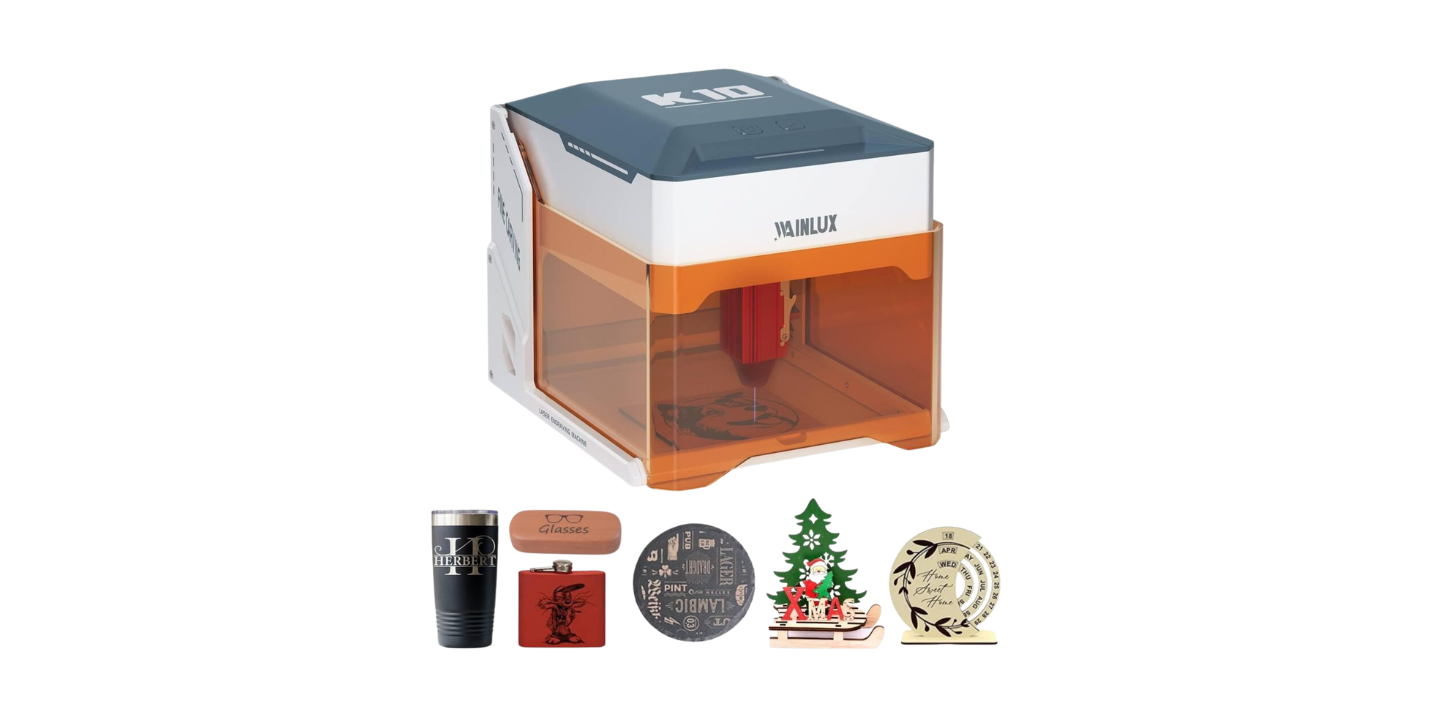
Different portable laser engravers use different technologies, and that affects what you can safely engrave. Two main types are relevant to portable units: diode lasers and small CO2 modules. Fiber lasers are much less common in portable consumer devices but are used professionally for metals.
- Diode lasers (commonly 1–20 W in portable units): compact, affordable, good for wood, leather, paper, coated metals, and anodized aluminum. Struggle with bare metals and thick acrylic cuts.
- CO2 lasers (typically desktop models, 30–60 W and up): excel at wood, acrylic (PMMA), leather, glass, paper, and many plastics; cut thicker materials than diodes.
- Fiber lasers (professional): excellent for bare metals and permanent marking, but rarely portable in the consumer sense.
You should always check whether your specific engraver is a diode, CO2, or fiber system before assuming anything about compatibility.
Laser class and enclosure
Lasers are classified by risk (Class 1–4). Your portable engraver may be an open Class 4 emitter in a small package, which means it can cause eye and skin damage and fire hazards. Enclosed or fully automated systems can be treated as Class 1 while closed, but anything open-air should be handled like a tiny sun. Use proper eyewear rated for your laser wavelength even for reflections, and never point the beam at anything you’re not intentionally processing.
The main categories of materials and what to expect
This section breaks down common materials into categories with what will likely happen during engraving, safety issues, and whether cutting is realistic.
Natural organic materials (wood, cork, paper, leather)
These materials are among the most forgiving and the reason many people start engraving in the first place. They char, brown, or vaporize gracefully, producing smoke and particulates but not usually lethal gases.
- Wood: Great for engraving and light cutting depending on thickness and laser wattage. Use ventilation—wood smoke contains particulates and VOCs. Pine and resinous woods produce heavier smoke and soot.
- Cork: Cuts and engraves cleanly, but dusty particles can be messy and flammable.
- Paper and cardboard: Easy to engrave and cut at low power, but extremely flammable—don’t leave unattended.
- Leather: Natural leather engraves well; avoid synthetic leather as it often contains PVC or other hazardous plastics.
Precautions: fume extraction, no unattended runs, fire extinguisher nearby.
Acrylic (PMMA)
Clear and colored acrylic engraves and cuts beautifully with CO2 lasers. It melts and re-solidifies cleanly and makes glossy edges when cut. Diode lasers can mark or lightly engrave thin acrylic but cutting is usually limited.
Precautions: off-gassing of methyl methacrylate odors; use ventilation. Avoid substitute plastics marketed as “acrylic” that are actually PVC or contain additives.
Glass, glazed ceramics, and stone
Engraving glass is a thermal shock process: you’re etching the surface without melting it away. It looks great when done properly. Cutting glass with portable lasers is unlikely; it’s brittle and breaks unpredictably.
Precautions: use lower speeds and variable power, consider tape or abrasive methods to assist, wear eye protection for micro-fragments. Dust from stone can overwhelm filters—use proper particulate capture.
Fabrics and textiles
Natural fabrics (cotton, wool, linen) engrave and cut well. Synthetics (polyester, nylon) melt and can catch fire, and may release dangerous vapors.
Precautions: test scraps, provide fume extraction, and avoid flame-prone conditions.
Metals (bare and coated)
Bare metals usually resist diode/CO2 engraving unless you use a fiber laser or marking compound. However, many coated or anodized metals—painted, powder-coated, anodized aluminum—can be engraved by removing the coating to reveal the substrate beneath. For codingable, permanent marks on stainless or steel you’ll typically need a fiber laser or a chemical marking approach.
Precautions: use appropriate marking paste for metals, ensure correct laser wavelength/power, and avoid reflective surfaces that can damage optics or cause stray reflections.
Plastics: what to avoid
Not all plastics were created equal. Some will melt and smell; others will generate toxic gases. This is the realm where you must be cautious and well-informed.
- PVC (polyvinyl chloride): NEVER laser PVC. It releases hydrogen chloride (HCl) gas, which is corrosive to equipment and extremely hazardous to your lungs. It can also create dioxins under incomplete combustion.
- PTFE/Teflon (polytetrafluoroethylene): Heating releases fluorinated compounds that can cause polymer fume fever and organ damage at high exposures. Avoid.
- Polycarbonate (PC): Tends to melt and smear rather than cut or engrave nicely. Fumes can be irritating and may include bisphenol-related compounds.
- ABS: Produces styrene and other VOCs when lasered. Some ABS blends are particularly nasty.
- HDPE and PVC blends: variable results, often poor and potentially hazardous.
Precautions: when in doubt, check the material’s resin identification code, manufacturer datasheet, and avoid unknown plastics.
Big table: common materials, compatibility, and precautions
This table gives a quick, at-a-glance answer for many of the materials you’ll encounter. Use it as a starting point, not gospel—always test and ventilate.
| Material | Safe to Engrave? | Cut with Portable Laser? | Typical Laser Type | Main Risks / Notes | Recommended Precautions |
|---|---|---|---|---|---|
| Wood (hard/soft) | Yes | Thin cuts possible (depends on wattage) | Diode / CO2 | Smoke and soot, fire risk | Ventilation, fire extinguisher, test settings |
| Cork | Yes | Light cuts | Diode / CO2 | Dust and flammability | Extraction, mask for dust |
| Paper / Cardboard | Yes | Yes (very thin) | Diode / CO2 | Highly flammable | Never leave unattended, low power |
| Natural leather | Yes | Thin cuts | Diode / CO2 | Smoke, odor | Ventilation, test scraps |
| Faux leather (PVC) | No | No | N/A | Releases HCl and other toxic fumes | Avoid completely |
| Acrylic (PMMA) | Yes | Yes (CO2 better) | CO2 (diode limits) | Methyl methacrylate fumes, clean cuts | Ventilation, avoid unknown acrylic-like plastics |
| Glass (tempered / annealed) | Yes (engrave) | No | CO2 / Special techniques | Cracking, micro-fragments | Tape protection, eye protection, dust capture |
| Ceramic (glazed) | Yes (surface) | No | CO2 | Hard surface, minimal VOCs | PPE for dust |
| Stone / Marble / Granite | Yes (surface) | No | CO2 / fiber (industrial) | Dust (silica), abrasive | HEPA particulate capture, masks |
| Cotton / Linen / Wool | Yes | Yes (thin) | Diode / CO2 | Smoke, fire risk | Ventilation, test, low power for cutting |
| Polyester / Nylon / Spandex | Often no | Often no | N/A | Melting, toxic fumes | Avoid unless manufacturer-sure |
| PVC / Vinyl | No | No | N/A | Hydrogen chloride, dioxins | Avoid completely |
| PTFE / Teflon | No | No | N/A | Fluorinated toxic gases | Avoid completely |
| Polycarbonate (PC) | Not recommended | No | N/A | Melting, foul fumes | Avoid or test in well-ventilated area |
| ABS | Caution | Limited | Diode / CO2 (poor) | Styrene and VOCs | Avoid when possible; ventilation if tested |
| Anodized aluminum | Yes (coating) | No (bare metal) | Diode / CO2 for coating | Removes anodized layer to reveal metal | Test first, wear gloves for residue |
| Painted / powder-coated metals | Yes (coating) | No (bare metal) | Diode / CO2 | Removes coating, fumes from paint | Ventilation for paint fumes |
| Bare stainless steel / aluminum | Not with diode/CO2 | No (without marking paste) | Fiber (or marking paste with CO2/diode) | Needs high energy or marking chemistry | Use proper equipment or marking paste |
| Food (cookie, chocolate) | Yes (carefully) | No | Diode / CO2 | Sanitation considerations, charring | Food-safe workflows, clean machine |
| Foam (polyurethane) | No | No | N/A | Toxic fumes, very flammable | Avoid |
How to read the table
You’re seeing sweeping categories; specifics can vary based on formulation, fillers, coatings, and additives. Material that is labeled “safe” might still be mixed with an unsafe binder. Always test scraps and consult the manufacturer when possible.
Fumes and toxic byproducts: what you must never ignore
You will make smoke. Some smoke is merely annoying; some can ruin your life. The chemistry of burning or vaporizing can produce volatile organic compounds (VOCs), particulates, hydrogen chloride, styrene, cyanide-like compounds, fluorinated gases, and very rarely, dioxins if chlorine-containing plastics are incompletely combusted.
- PVC → hydrogen chloride (HCl), corrosive and toxic; can form dioxins on incomplete combustion.
- PTFE → fluorinated decomposition products; polymer fume fever and worse.
- ABS → styrene and other irritants.
- Acrylic → methyl methacrylate vapors (noxious and irritating).
- Woods → formaldehyde and other VOCs, especially in pressed woods (MDF).
- MDF/particleboard → glued resins off-gas formaldehyde and other irritants; avoid these materials unless you have professional ventilation.
If your fume extractor is a cheap carbon filter with no HEPA, it will help with some odors but may not capture all VOCs or silica dust. Use a dedicated laser fume extractor with activated carbon for organics and a HEPA filter for particulates, or run the laser in a well-ventilated space directed outdoors (but ensure you’re not just dumping toxics into someone else’s yard).
Practical fume control for your space
- Position the work area near an external vent when possible.
- Invest in a fume extractor sized for the machine; look for combination HEPA + activated carbon units.
- For stone or tile dust, use a vacuum with HEPA capture at the source.
- If you ever smell a pungent chemical (chlorine-like, bleach smell, or sharp acrid), stop immediately and evacuate the room until it’s ventilated.
Fire hazards and how to reduce them
Lasers are tiny concentrated heat sources and will ignite combustible materials if you’re careless. Paper, thin woods, cardboard, and fabrics will catch fire.
- Always stay in the room while the laser is running unless you have completely enclosed and interlocked systems.
- Keep a Class ABC fire extinguisher within reach, and know how to use it.
- Use flame-retardant work surfaces and fire-resistant tape where needed.
- Use multiple passes at lower power instead of one full-power pass for thick cuts.
- Keep a bowl of water or a damp cloth nearby if you’re cutting highly flammable materials.
Practical tips for better, safer engraving and cutting
You can avoid a lot of problems by being methodical.
- Test a scrap: Always run a test on a small piece of the same material.
- Masking: Use Kapton or painter’s tape to reduce charring on acrylic and wood surfaces.
- Multiple passes: When cutting, use more passes at lower power to prevent flame-ups and reduce heat-affected zones.
- Air assist: A small nozzle blowing air across the cut prevents flare-ups, clears debris, and improves edge quality.
- Focus and speed: Poor focus causes smearing and extra heat. Use correct focal distance and adjust speed to minimize burning.
- Maintain optics: Smoke will coat lenses; keep optics clean to avoid power loss and scattered beams.
- Keep logs: Record settings (speed, power, passes, focus height) that worked for each material; you’ll thank yourself in a week.
How to mark metals without a fiber laser
If you don’t have a fiber laser, don’t despair: you can mark metals by engraving coatings or using specialized marking compounds.
- Anodized aluminum: Diode or CO2 lasers can remove the anodized layer to reveal contrast. This works well for IDs and logos.
- Paint / powder coat: Remove paint with the laser to reveal underlying metal; fumes from paints require ventilation.
- Marking paste/chemicals: There are commercially available metal marking sprays/pastes (e.g., Thermark, LMM) that convert low-power lasers into metal markers by creating a dark oxide layer. Follow manufacturer instructions carefully as these can be messy and occasionally hazardous.
- Laser engraving foils: Attachable metallic foils can be lasered to transfer a metallic film onto substrates. This is safe if the foil is rated for lasers.
Special-case materials and surprising hazards
Some materials look innocent but are problematic.
- MDF / particleboard: The glue resins can emit formaldehyde; not a fan.
- Printed circuit boards (FR-4): Contain flame retardants and fibreglass; produce toxic fumes and abrasive dust—avoid unless you have industrial extraction.
- Electroplated or chromed surfaces: Can produce hazardous metal fumes and may reflect the beam dangerously.
- Painted plastics with unknown pigments: Pigments can be heavy-metal based; avoid inhaling fumes.
- Food items: You can engrave cookies or chocolate, but you must maintain food-safe cleanliness; never use the same workspace for food and contaminated plastics without thorough cleaning.
Post-process handling and finishing
Once a piece is engraved, you need to finish it safely.
- Cleaning engraved surfaces: Wipe with isopropyl alcohol to remove residues. For painted/powder-coated metals, remove debris with a soft brush and solvent if compatible.
- Sealants: Wood engraving can be sealed with mineral oil, polyurethane, or wax. If the engraved object will contact skin or food, choose non-toxic sealants.
- Disposal of waste: Collect dust and resin residues in sealed containers. Don’t sweep up fine particulates into the air. Dispose according to local regulations if hazardous.
Personal protective equipment (PPE) you should be using
Your mother wasn’t exaggerating about common sense.
- Laser safety goggles: Rated for your laser’s wavelength and optical density (OD). Reflections can be as dangerous as direct beams.
- Respirator: For fumes and VOCs, use an organic vapor/particulate respirator when ventilation is inadequate.
- Gloves: Nitrile gloves for handling materials with residues or chemicals.
- Eye protection: For bits and dust when working with stone or glass in addition to laser goggles.
- Hearing: In some setups, fans and pumps can be loud—consider ear protection for prolonged runs.
Troubleshooting common problems
If something looks off, it probably is. A few recurring problems and quick fixes:
- Charring too heavy: Reduce power, increase speed, or use masking.
- Poor contrast on metal coating: Increase power slightly, reduce speed, or try a different coating/finish.
- Edges melt/warp: Reduce power, use multiple passes, or adjust focus.
- Excessive smoke: Increase ventilation, reduce power, and consider a sacrificial air assist.
- Lens fogging: Clean optics; check for condensation if you’re in a humid environment.
Legal, environmental, and ethical considerations
Some marking or cutting jobs interact with regulations. For example, engraving safety-critical parts (like serial numbers on car airbags) may be illegal or dangerous. You should also consider environmental impact: venting toxic gases outdoors might be legal but unethical if it exposes neighbors or wildlife.
- Don’t engrave offensive or illegal content.
- Don’t release toxic fumes into shared spaces.
- Follow local disposal rules for hazardous waste.
A few quick, comforting rules of thumb
These are the rules you can live by without consulting a chemistry textbook every time you want to monogram a cutting board.
- If the material contains PVC, PTFE, or is unknown plastic, don’t laser it.
- Natural materials (wood, leather, paper) are generally fine with proper ventilation and attention to fire risk.
- Coated metals are often okay to mark; bare metals usually need a specialized laser or marking compound.
- Always test on a scrap and keep records.
- If you smell something that makes your eyes sting or your throat close, stop and ventilate—serious health risks beat productivity every time.
Final thoughts (and a minor confession)
You will learn more about your neighbors’ taste in hobbies and cooking than you ever wanted to. One of my earliest engraving projects went splendidly until a bit of PVC slipped into the pile and the whole room smelled like a chemistry teacher had been uninvited to a barbecue. You make mistakes. The important thing is that you let the experience teach you to be safer.
Portable laser engravers are powerful and fun tools when used responsibly. With the right materials, ventilation, PPE, and a little patience, you can create beautiful, permanent work without turning your workshop into a small, smoky ruin. Keep a log of your successes and failures, and when in doubt—test, ask the manufacturer, and err on the side of ventilation.
Quick checklist before every run
- Is the material confirmed safe to laser? Yes/No?
- Are you using the correct laser type and settings? Yes/No?
- Is ventilation/fume extraction operational? Yes/No?
- Are proper goggles and PPE available? Yes/No?
- Is a fire extinguisher nearby and accessible? Yes/No?
- Have you tested on a scrap piece? Yes/No?
If you can tick all those boxes, you’re ready to engrave with minimal drama. If not, put the machine away for a cup of tea and a close read of the user manual. You’ll get better results, and fewer terrible odors.
FAQ: Short answers to predictable questions
- Can you engrave MDF? Technically yes, but avoid: formaldehyde emissions make it an undesirable choice without industrial extraction.
- Can you cut 6 mm acrylic with a portable laser? Maybe with a high-power CO2 and multiple passes; not recommended for small diode units.
- Is it safe to engrave food like cookies? Yes if you use a clean, dedicated workspace and food-safe practices.
- How do I know if a plastic is PVC? Look for a resin identification code or manufacturer data sheet; PVC often has a distinct smell when heated but don’t rely on that.
You now have a practical roadmap for what materials are safe, what to avoid, and how to keep yourself alive and productive while you use that increasingly persuasive little box of focused light. Treat it with respect, and it will reward you with beautiful marks and the occasional small miracle.