Have you ever pointed a bright, humming gadget at a scrap of wood and thought, “What could possibly go wrong?”
Introduction
You’re holding a portable laser engraver—a pocket-sized wizard that turns ordinary objects into tiny masterpieces. It’s fast, precise, and strangely addictive. But wielding that little beam also makes you responsible for a surprising number of hazards, from invisible radiation to chemical cocktails released when certain plastics melt.
This article guides you through safety considerations so you can keep making art, prototypes, or gifts without unintentionally creating a chemistry experiment or a neighborhood bonfire. The tone will be friendly and occasionally rueful, because you will make mistakes; the point is to make fewer of them.
What is a portable laser engraver?
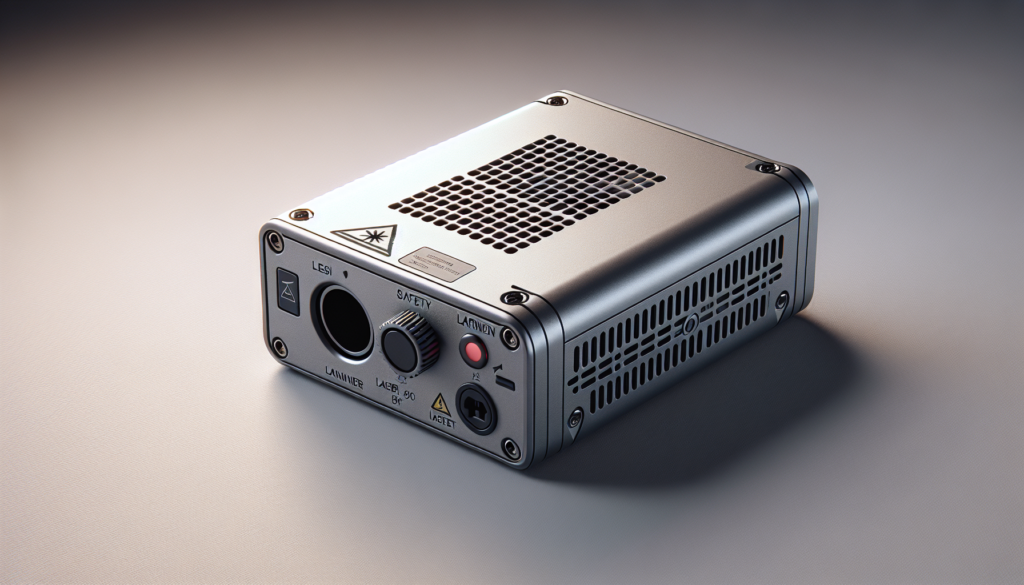
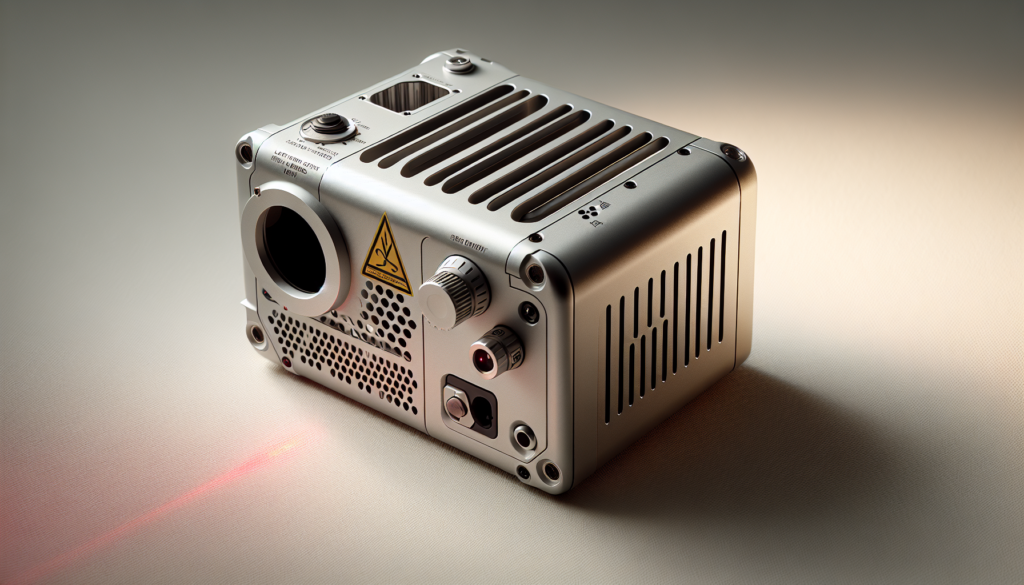
A portable laser engraver is a compact, often benchtop or handheld device that uses a focused laser beam to remove material or change the surface appearance of an object. These tools are used on wood, leather, glass, metals (with specialized machines), and many plastics. They range from low-power diode units to more powerful CO2 systems.
You’ll find them appealing because they let you personalize items quickly, but their portability can encourage casual use in spaces that aren’t properly prepared.
How they work
A laser emits coherent light that focuses on a small spot. That spot heats or vaporizes the material, creating marks or cuts. Different lasers (diode, fiber, CO2) operate at different wavelengths and interact with materials differently. Power, speed, and pulse characteristics control how the material responds.
If that sounds simple, it is—until something unexpected happens, like reflective metal throwing the beam off course or a hidden paint layer outgassing toxic fumes.
Major hazards you should watch for
Before you switch on the device, be aware of the major risk categories:
- Optical (eye) hazards
- Thermal (burns and fire)
- Chemical (fumes and particulates)
- Electrical shock and component failures
- Mechanical hazards (moving parts)
- Reflective and stray beam risks
Each of these can lead to injury, property damage, or worse. You’ll want to mitigate them with a mixture of engineering controls, PPE, procedural habits, and common sense.
Laser classes and what they mean for you
Understanding laser classes helps you judge the risk level and required protections. The table below summarizes common classes and practical guidance.
| Laser Class | Risk level | Common in portable engravers? | Practical guidance for you |
|---|---|---|---|
| Class 1 | Safe under normal use | No | Minimal additional PPE; still follow manufacturer instructions |
| Class 1M | Safe unless viewed with optics | Rare | Avoid using magnifying optics while operating |
| Class 2 | Low-power visible lasers; blink reflex protects eyes | Some diode units | Avoid staring; use basic eyewear if recommended |
| Class 3R | Potentially hazardous with direct view | Some higher-power diodes | Use appropriate eyewear; control access |
| Class 3B | Hazardous from direct or scattered exposure | Many hobby and portable CO2/diode devices | Strict eyewear, enclosed operation, interlocks |
| Class 4 | High risk: can cause fires, diffuse reflections dangerous | Larger, higher-power systems | Enclosure, interlocks, ventilation, respirators, fire control |
You’ll often encounter Class 3B in powerful portable units. Treat any device above Class 3R with serious respect.
Eye safety: the most immediate concern
Laser light can damage your retina without pain, and sometimes without immediate symptoms. You need protection tailored to the laser’s wavelength and power. Don’t assume sunglasses are adequate.
- Determine the laser wavelength and required optical density (OD).
- Buy certified laser safety goggles that match both wavelength and OD.
- Wear goggles whenever there’s any possibility of direct or reflected beam exposure.
- Use beam enclosures and warning signs to reduce accidental exposures.
See the PPE and Laser Class tables later for specifics.
Skin and burn hazards
You can get burned by the beam, hot workpieces, or even by embers produced during cutting. Burns can be superficial or more severe.
- Keep hands away from the focal zone.
- Use tools (tweezers, tongs) for small pieces.
- Allow freshly cut materials to cool before handling.
- Have burn care supplies and a plan for medical attention.
Fire risks and hot debris
Laser cutting can ignite materials. Thin veneers, paper, fabrics, or dust can catch and propagate a flame quickly. Portable units lacking automatic shut-off or smoke detection are especially perilous.
- Keep a suitable fire extinguisher nearby (see table below).
- Never leave an active laser unattended.
- Reduce combustible loads in the workspace.
- Use fire-resistant surfaces and material trays.
Fire extinguisher quick reference:
| Extinguisher Type | Suitable for | Use-case notes |
|---|---|---|
| Class A (Water, APW) | Wood, paper, cloth | Effective for most engraving accidents, but not for electrical fires |
| Class B (Foam, CO2) | Flammable liquids | Rarely necessary for engraving unless solvents are present |
| Class C (CO2) | Electrical fires | Good for electrical components and energized equipment |
| Class ABC (Dry chemical) | Mixed fires | Versatile; common choice for small workshops |
| K | Cooking oils/fats | Not relevant unless you store large quantities of oils |
A Class ABC dry chemical or CO2 extinguisher is a practical choice for most laser workspaces.
Fumes and airborne contaminants
When you vaporize material, you create fumes and particles. Some are inert; others are highly toxic. For example, cutting PVC releases hydrogen chloride gas and dioxins—serious hazards. Metalworking can release metal fumes you don’t want in your lungs.
Important steps:
- Identify materials before you cut them.
- Don’t process PVC, polyvinylidene fluoride (PVDF), or other halogenated plastics without specialized ventilation and filters.
- Use a local exhaust ventilation (LEV) system or fume extractor designed for laser cutting.
- Use filtration with HEPA (for particulates) and activated carbon (for VOCs and odorous gases) cartridges where appropriate.
- Test and replace filters per manufacturer guidelines.
Material hazard table:
| Material | Typical hazard when lasered | Recommended action |
|---|---|---|
| Wood (untreated) | Smoke, particulate | Use LEV + HEPA; safe in most cases |
| MDF (medium-density fiberboard) | Formaldehyde release | Use LEV + carbon filters; consider avoiding |
| Acrylic (PMMA) | Clear fumes, methyl methacrylate | LEV + carbon filter; moderate caution |
| Polycarbonate (PC) | Poor cutting; toxic fumes | Avoid cutting; use mechanical methods |
| PVC (vinyl) | Hydrogen chloride, dioxins | Never laser-cut without specialized, rated system |
| Polyvinylidene fluoride (PVDF) | Highly toxic fumes | Avoid |
| Leather (dyed) | Heavy metals in dyes; VOCs | LEV + carbon filter; research tanning chemicals |
| Metals (with engraving) | Metal fumes (depends on alloy) | Use specialized filtration and respirators |
| Painted/coated surfaces | Unknown additives; toxic fumes | Strip coatings first or avoid |
If you can’t positively identify the material composition and coatings, don’t proceed.
Electrical hazards
Portable laser engravers still contain high voltages—especially CO2 tube machines and power supplies. Faulty wiring, exposed terminals, or damaged cables can electrocute you.
- Unplug before servicing.
- Inspect power cords and connectors regularly.
- Don’t operate the device in wet conditions.
- Use a ground fault circuit interrupter (GFCI) if your workspace is near sinks or damp surfaces.
Mechanical hazards
Moving belts, gantry motors, and fans can pinch or cut. A malfunctioning limit switch can allow the beam to operate when the enclosure is open.
- Keep fingers and loose clothing away from moving parts.
- Ensure interlocks are working; don’t bypass safety switches.
- Securely fasten workpieces to prevent shifting into the beam.
Reflections and stray beams
Reflective materials can redirect the beam unpredictably. A shiny metal or a mirror finish can send the beam across the room.
- Avoid cutting reflective metals unless the machine is designed for it.
- Use beam enclosures or shrouds.
- Cover reflective surfaces with non-reflective, heat-resistant tape when possible.
Personal protective equipment (PPE)
PPE is your last line of defense. Use it correctly and consistently.
| PPE Item | Purpose | When to use |
|---|---|---|
| Laser safety goggles (wavelength-specific) | Protect eyes from laser radiation | Always when beam is accessible |
| Respirator with particulate and VOC cartridges | Protect lungs from fumes | Whenever cutting materials that outgas |
| Heat-resistant gloves | Prevent thermal burns | When handling hot workpieces |
| Long-sleeve, non-synthetic clothing | Reduce skin exposure to sparks and heat | Standard practice |
| Hearing protection | For noisy environments | If fans or cutting operations are loud |
| Face shield (with goggles) | Protect against debris | During accessory operations that produce chips |
Choose respirators that match the expected contaminants—P100 for particulates combined with activated carbon cartridges for organic vapors where needed.
Engineering controls: make the machine earn your trust
You want engineering controls that prevent incidents rather than relying on perfect behavior.
- Enclosures and interlocks: Ensure that the beam is blocked when any access panel is open. Interlocks should cut power automatically.
- Exhaust and filtration: Capture fumes at the source with a properly sized LEV or fume extractor.
- Fire detection: Use smoke or spark detectors inside an enclosed chamber. Consider automatic shutdown on alarm.
- Emergency stop: A clearly accessible E-stop should cut power instantly.
- Power management: Use proper fusing, surge protection, and grounded outlets.
Administrative controls and procedures
Engineering controls are necessary; administrative controls keep people from undoing them.
- Create and enforce standard operating procedures (SOPs).
- Post visible warning signs and keep a restricted perimeter during operation.
- Institute a permit-to-work system for high-risk jobs.
- Maintain logs of maintenance, filter changes, and incidents.
- Keep Material Safety Data Sheets (MSDS/SDS) for materials on hand.
Safe operating procedures (SOP): a practical checklist
Use this concise checklist for routine operations. Tailor it to your specific machine and workspace.
- Read manufacturer manual and safety data for materials.
- Inspect the machine: power cords, interlocks, lens cleanliness, hose connections.
- Verify ventilation and filters are functioning.
- Set up a fire-safe work surface and remove combustibles from the area.
- Place workpiece securely; avoid clamps that reflect laser light.
- Put on required PPE: goggles, respirator (if needed), gloves.
- Perform a dry-run without laser to confirm motion is correct.
- Start with low power and a short test mark to confirm settings.
- Never leave the machine unattended while cutting or engraving.
- Monitor for unusual smells, smoke, or sound; stop if anything changes.
- After operation, turn off and allow the workpiece to cool.
- Dispose of waste and used filters per regulations.
Routine discipline will prevent the majority of accidents.
Material selection and labeling
A workshop full of mystery plastics is a hazard. Label materials immediately when you buy or cut them. Keep a log of commonly used stock and permitted materials.
- Color coding and clear labels reduce mistakes.
- Keep a “no-laser” list and enforce it.
- When in doubt, test a small, well-ventilated sample or ask the supplier.
Ventilation and fume management specifics
A few practical numbers and ideas will help you choose equipment.
- Capture at the source: position the inlet within inches of the focal point if possible.
- Filtration layers: first stage—pre-filter for particulates; second—HEPA for fine particles; third—activated carbon for VOCs and acidic gases.
- Airflow: fume extractors designed for laser use typically range from 200 to 600 CFM for hobby setups; bigger systems require calculated flows based on enclosure volume and cutting rates.
- Exhaust placement: vent outdoors away from air intakes and populated areas where possible.
If you can smell the work, your ventilation isn’t adequate.
Fire prevention and response details
Prevention starts with planning. For response, know who to call and what to do.
- Don’t keep paper, solvents, or flammable fabrics near the machine.
- Keep a bucket of sand or an appropriate extinguisher nearby for small fires on metal or glass surfaces where water could be dangerous.
- Practice a fire response drill: stop the machine, cut power, use extinguisher, evacuate if needed.
- If in doubt, call emergency services—small fires can escalate fast.
Eye protection specifics and selection
Goggles are not interchangeable. You need to match wavelength and optical density (OD).
- Manufacturers provide OD recommendations for specific wavelengths. For example, a 450 nm diode laser may need an OD 5+ at that band for certain power levels.
- ANSI Z136.1 and IEC 60825 offer guidance—consult them when in doubt.
- Buy goggles with certified labels and keep them clean. Scratches can reduce effectiveness.
Maintenance and inspection schedule
A predictable maintenance routine keeps hazards visible and manageable.
Weekly:
- Clean lenses and mirrors per manufacturer instructions.
- Inspect airflow and fume extractor function.
- Check for loose screws, wear on belts, and unusual noises.
Monthly:
- Replace pre-filters; inspect HEPA and carbon filters.
- Test interlocks and emergency stop functionality.
- Review logs and incidents.
Annually:
- Calibration checks and professional service if indicated.
- Full electrical inspection by qualified technician.
- Replace worn components (belts, bearings, tubes) per hours of operation.
Transport and storage considerations
Portable doesn’t mean fragile or safe in any environment.
- Transport in padded, locked cases. Glass CO2 tubes are brittle.
- Remove power supplies and batteries if shipping by air; follow regulations for lithium batteries.
- Store in a dry, cool place away from direct sunlight and chemicals.
- Label and secure sealed containers for used filters and hazardous waste.
Emergency procedures: what you should memorize
Memorize a short set of actions for common emergencies.
Fire:
- Hit E-stop and unplug if safe.
- Use extinguisher appropriate to the fire type.
- Evacuate and call emergency services if fire not contained.
Fume exposure:
- Move to fresh air immediately.
- Seek medical attention if symptoms (dizziness, nausea, throat pain) persist.
Eye exposure:
- If laser light hits your eye, seek emergency medical attention immediately—even if there’s no pain.
- Do not rub your eye or delay a professional exam.
Electrical shock:
- Don’t touch the person if they are in contact with live parts; turn off power.
- Call emergency services if they are unconscious or have cardiac symptoms.
Burns:
- Cool burn with running water for at least 10 minutes.
- Cover with sterile dressing and seek medical attention for severe burns.
Working in shared or public spaces
If you use a portable engraver in a makerspace, café, or market stall, respect other people’s safety.
- Restrict access with physical barriers and signs.
- Run a short briefing for anyone who will be nearby.
- Use portable fume extractors or venting solutions that meet community rules.
- Post contact information in case of incidents.
Case studies and the sort of mistakes you’ll recognize later
You’ll laugh, because you do things that sound clever at first. For example:
- You once engraved a “refrigerator-proof” sticker without checking the adhesive. The sticker melted, caught another sticker, and you learned that adhesives are combustible and sticky in unexpected ways.
- You assumed that because acrylic smells sweet it must be harmless. You sent one into a tiny black plume and nearly made your downstairs neighbor send you a strongly worded note about the smell of industrial chemistry at 10 p.m.
- You thought goggles were optional because the laser looked dim until it wasn’t. That taught you a lasting respect for “invisible” hazards.
These anecdotes aren’t meant to embarrass you—they’re to remind you that curiosity often precedes humility.
Training and competency
You don’t have to be a laser physicist, but you do have to be trained.
- Attend vendor or community workshops.
- Create a short competency checklist for anyone who will operate the machine.
- Require supervised practice sessions for new users.
- Keep up with updates: firmware changes, new filters, or regulatory shifts can change best practices.
Environmental and disposal considerations
Used filters, contaminated rags, and chemically altered offcuts may be hazardous waste.
- Check local regulations for disposal of activated carbon cartridges and HEPA filters.
- Collect and dispose of metal dust and paint chips per local guidelines.
- Never pour solvents or chemical residues down drains.
Choosing the right machine for safe operation
When shopping, prioritize safety features over cost savings.
- Look for enclosures with interlocks, certified laser safety ratings, and included ventilation options.
- Choose manufacturers with clear documentation and good support.
- Prefer devices designed for the materials you plan to use.
If the vendor’s safety answers are vague, that’s a red flag.
Summary and final practical checklist
You want to make great things without making accidents. Here’s a brief checklist to tuck into your brain:
- Know your laser class and wear the right goggles.
- Identify materials before you cut them; avoid PVC and unknown plastics.
- Use source capture ventilation with HEPA and activated carbon when needed.
- Never leave an active job unattended.
- Keep a suitable fire extinguisher and an E-stop within reach.
- Maintain and inspect the machine regularly.
- Train anyone who will use the machine and keep SOPs visible.
Closing thought
You’ll develop rituals—simple habits that make risky things safe: a visual sweep of the workspace, a glance at the filter gauge, a quick test mark. They’re boring, predictable, and they save you from the drama of a misbehaving spark or a regrettable experiment with a vinyl sticker. You’ll find that the less theatrical your practice is, the more room there is for creativity—and the fewer calls you’ll have to make to the fire department.
Take it slow, be curious in a cautious way, and let the machine help you make things rather than making trouble for you. If you keep these safety considerations in mind, your portable laser engraver will be a source of delight, not disaster.