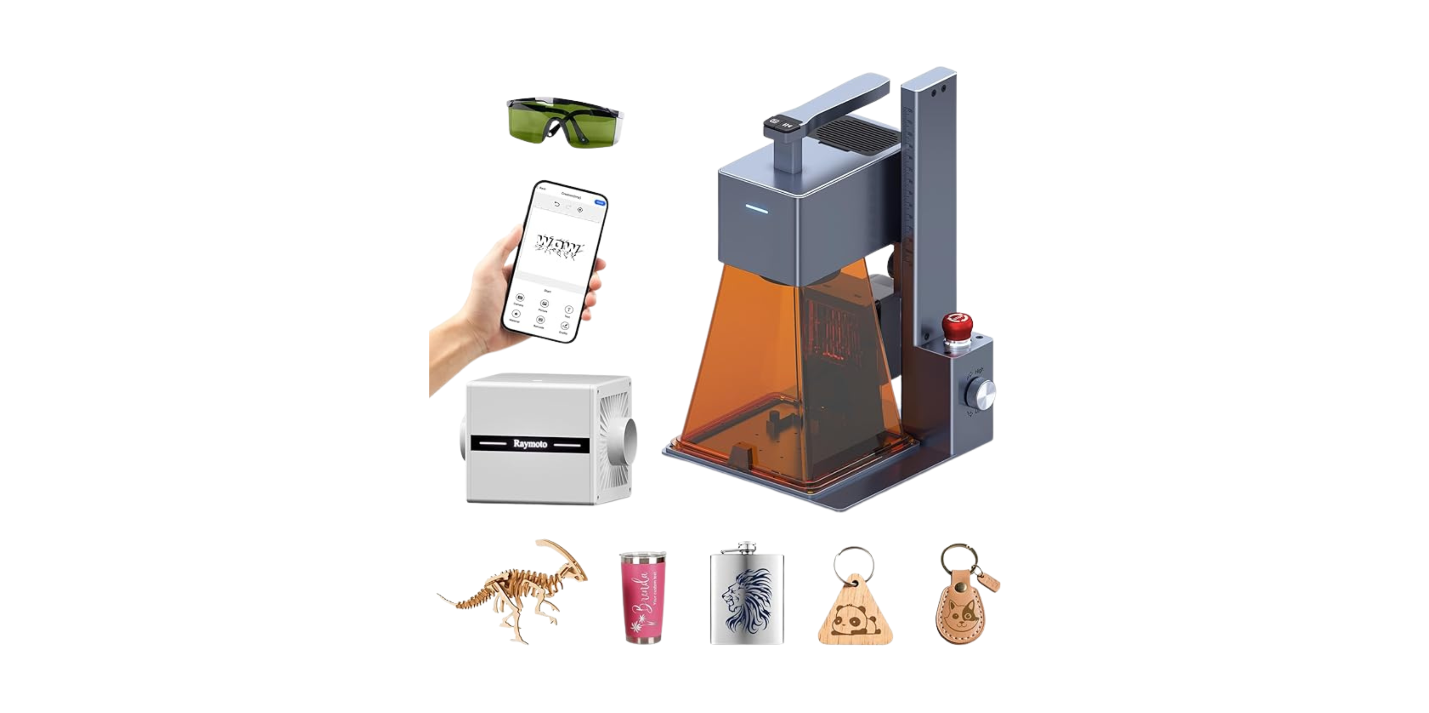
Have you ever tried lifting a “portable” laser engraver out of its case and felt like you were auditioning for a role in a furniture-moving reality show?
If you answer yes — or if you’ve simply thought about engraving a wedding gift at a coffee shop and then realized your idea involved more cords than courage — this article is for you. In 2026 the word “portable” is slippery: it can mean pocket-sized, suitcase-sized, or “you-can-fit-it-into-a-car-without-a-remortgaging.” You’ll learn how manufacturers are using new components, batteries, and safety systems to redefine portability, what trade-offs you’ll accept (or refuse), and how to pick a system that actually fits your workflow and travel habits.
What “Portable” Means in 2026
Words like portable, handheld, and benchtop used to be straightforward. Now they’re marketing directions with performance caveats. In 2026, portability bundles physical size, power delivery, software independence, and legal/logistical practicality — all of which affect whether you can use a machine in a café, at a craft fair stall, or in a small van.
You’ll want to consider not just how easy the unit is to carry, but how quickly you can set it up, what power you need, and whether you can ship or take it on a plane if your business requires travel.
Physical Portability
Physical portability is obvious: weight, footprint, and how the unit packs. A truly portable engraver in 2026 is often under 10–20 kg (22–44 lb), folds or disassembles without tools, and fits into a padded case that can withstand some abuse.
Design features that define physical portability include quick-release clamps, modular beds, integrated handles, and single-cable setups. Rugged cases (think Pelican-like) and shock-absorbing mounts make a difference if your workflow involves bumpy vehicles or frequent transit.
Power Portability
Power portability is often the deal-breaker. Some machines are designed for wall power only; others come with integrated battery packs or run from external portable power stations. In 2026 you’re likely to see:
- Battery-integrated diode engravers that run 1–4 hours on a single charge.
- CO2 systems that accept external inverter-style power stations but require robust cooling.
- Hybrid systems with swappable packs for longer events.
If you plan to use a machine in parks, markets, or client’s homes, consider inrush current, AC vs DC supply, and whether the machine can gracefully drop into a generator or a 12V vehicle system.
Operational Portability
Operational portability is about how the system behaves away from your workshop. Can it operate offline? Does it need a constant cloud connection? Is software easy to install on random client laptops?
In 2026, offline operation and local file hosting are still preferred by most mobile makers. Look for machines with onboard touchscreens, local caching, and USB backups of settings so you won’t be stranded when your hotspot dies or a venue refuses network access.
Laser Types and Portability
Different laser technologies determine what you can cut/engrave and how portable the machine can be.
| Laser Type | Typical Portable Wattage (2026) | Strengths | Constraints |
|---|---|---|---|
| Diode (blue/red) | 1–20 W | Small, efficient, battery-friendly; good for engraving wood, leather, some acrylic | Limited cutting power; slower; smoke management still needed |
| Fiber | 10–50 W (portable models emerging) | Excellent for marking metals and hard plastics; compact modules | Expensive; needs stable power; safety & beam control critical |
| CO2 (sealed glass or tube) | 10–60 W | Versatile for cutting/engraving organic materials and acrylic | Larger size, needs cooling (air or liquid); glass tubes less portable |
| Hybrid (diode + fiber) | 5–30 W combined | Multi-material capability in compact form | Complex optics; higher price; developing tech in 2026 |
You’ll find diode-based models dominate the “carry-on” category because they’re small and efficient. Fiber has improved in miniaturization, but cost and clinical signage about safety and marking mean fiber remains more often seen as a compact desktop or industrial device rather than a pocket tool.
Performance Trade-offs: Power vs Portability
You’ll quickly discover portability involves accepting compromises. A smaller machine is lighter and easier to stow, but you trade bed size, cutting speed, and sometimes precision.
| Metric | Portable Diode Unit | Compact CO2 Desktop | Full Desktop CO2/Fiber |
|---|---|---|---|
| Typical weight | 5–15 kg | 25–40 kg | 60–200 kg |
| Bed size | 80×80 mm – 300×300 mm | 300×200 mm – 600×400 mm | 300×300 mm – 1200×900 mm |
| Power | 1–20 W | 30–60 W | 40–150+ W |
| Battery option | Often available | Rare | Very rare |
| Cutting capability | Thin wood, leather, paper | Acrylic, wood, thin ply | Thick acrylic, thick wood, metal marking |
| Setup time |