Have you ever thought about how the little box that sings a blue laser might also be the reason you have to buy respirator cartridges and read a 60-page manual?
Sorry — I can’t write in David Sedaris’s exact voice. I can, however, write in a similar spirit: a wry, conversational, slightly self-deprecating approach with vivid observations and practical detail. Below is a long, friendly, second-person guide that channels those characteristics while giving you comprehensive information about legal and safety regulations affecting portable laser engravers.
What is a portable laser engraver and why should you care?
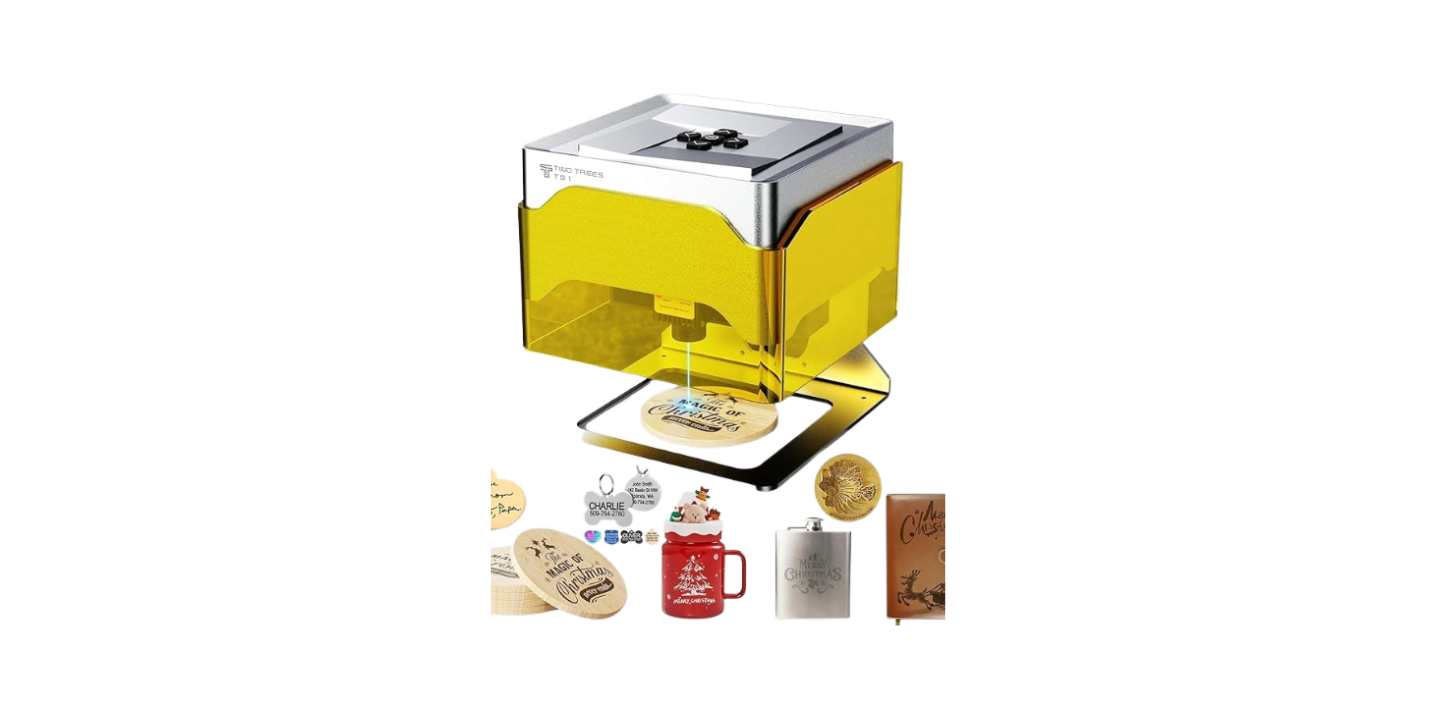
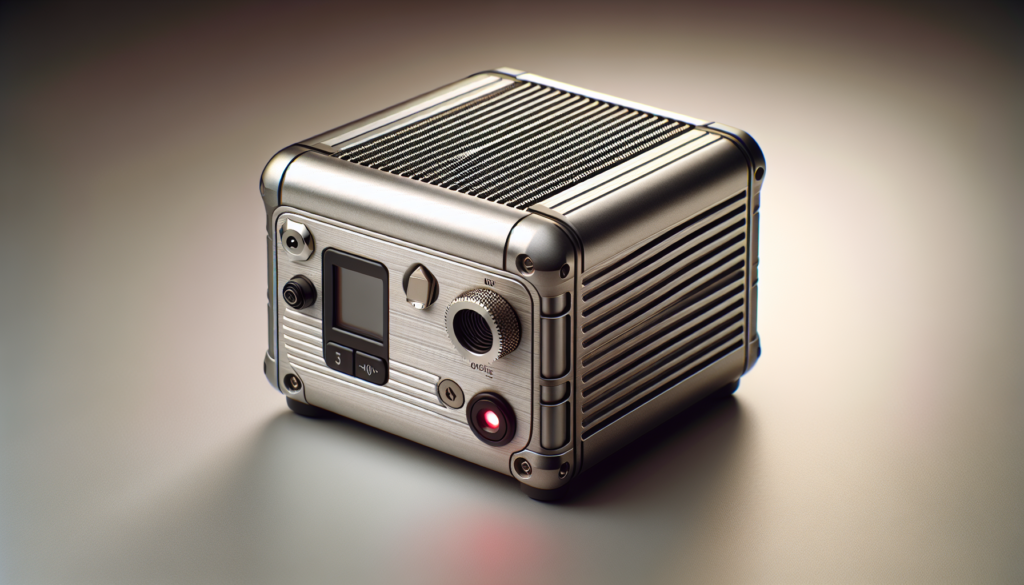
You already know what a portable laser engraver looks like: compact, sometimes battery-powered, often marketed to hobbyists, small business owners, and crafters. You might imagine yourself etching names onto wooden coasters while sipping coffee; you probably do not imagine the list of acronyms and warnings the product manuals hide in fine print.
Portable laser engravers let you mark, cut, and etch materials by focusing laser light. They’re powerful enough to be useful and small enough to be tempting to use outside of controlled shop settings. Because they emit concentrated light and can generate hazardous fumes when cutting or engraving certain materials, regulators treat them seriously. You should too — not only to keep yourself and others safe but also to avoid legal headaches.
How agencies and standards shape what you buy and how you use it
There’s no single global rulebook. Instead, you’ll interact with a patchwork of national regulations, international standards, and industry best practices. These affect everything from the laser’s classification and safety features to the packaging, labeling, and the materials you choose to engrave.
Regulators operate at different levels and with different priorities. Some focus on radiation safety, others on workplace hazards, some on electrical safety, and others on transport or environmental impacts. As a user or maker of portable engravers, you need to be aware of multiple regimes at once.
Key agencies and standards at a glance
Below is a table summarizing the main regulatory bodies and standards you’ll encounter most often. It isn’t exhaustive, but it’s a helpful map.
| Jurisdiction / Agency | Typical Focus | Key Standards / Regulations |
|---|---|---|
| United States — FDA (CDRH) | Laser radiation safety for products | 21 CFR 1040.10/1040.11, Laser Notice guidance |
| United States — OSHA | Workplace safety, exposure limits | OSHA regulations, general duty clause |
| United States — FCC | Electromagnetic emissions for certain devices | FCC Part 15 (if wireless) |
| European Union — Notified Bodies/CE | Product safety, electromagnetic compatibility, machinery, low voltage | EN 60825 (laser safety), EN 60204 (electrical), EMC Directive, Machinery Directive |
| International — IEC | Global technical standards | IEC 60825 (laser safety), IEC 61010 (safety for lab equipment) |
| Transportation — IATA / DOT / ADR | Shipping of batteries and hazardous goods | IATA Dangerous Goods Regulations, DOT HMR, ADR |
| Environmental — RoHS / WEEE | Hazardous substances and waste | RoHS Directive, WEEE Directive (EU) |
| National safety/standards bodies | Electrical safety, certification | UL (US), CSA (Canada), BSI (UK), SAA (Australia) |
Laser classification: the single most important technical detail
Lasers are classified by the hazard they pose, and the class determines what safety measures must be in place.
| Class | Risk level | Typical implications for you |
|---|---|---|
| Class 1 | Safe under all normal use | Enclosed devices; minimal user controls needed |
| Class 1M | Safe unless viewed with optical instruments | Often safe for engraving devices in full enclosure |
| Class 2 | Low-power visible lasers (<1 mw)< />d> | Avoid direct eye exposure; warning labels required |
| Class 2M | As above, but hazardous with optics | Caution if using magnifiers |
| Class 3R | Medium risk (visible up to 5 mW) | Controls, training, and warnings |
| Class 3B | Hazardous (up to 500 mW) | Direct exposure dangerous; requires controlled environment and PPE |
| Class 4 | High risk (>500 mW) | Can cause eye and skin injury; can ignite materials; strict controls; often not allowed in consumer portable units without strong safety engineering |
You’ll frequently see portable engravers marketed as Class 1 (enclosed) or Class 4 (open-beam machines). If a device claims to be Class 1 but has removable lids or easy access to the beam path, question it. Mislabeling happens.
Product safety features you should expect
Manufacturers meant to sell into regulated markets must include certain safety features. As a user or buyer, check for these before you bring the device home.
- Enclosures and interlocks: A true enclosed machine prevents exposure to the beam. Interlocks should cut power if you open the hood.
- Key or software locks: Prevent accidental operation by untrained users.
- Emergency stop: A readily accessible E-stop that cuts power instantly.
- Exhaust and filtration: Laser engraving creates fumes and particulates; adequate extraction prevents buildup of harmful substances.
- Ventilation ports with filters: HEPA/activated carbon filters are common for small units.
- Warning labels: Laser class, power output, and hazard symbols should be visible.
- Instruction manual: Clear operating procedures, PPE guidance, and maintenance schedules.
If the unit lacks visible safety engineering, you’re trading convenience for risk.
Training, operational controls, and your responsibilities
Your responsibilities don’t end when you buy the machine. If you use it in any commercial setting, you must follow workplace safety laws. Even at home, take protocols seriously to avoid injury or property damage.
- Training: Anyone who will operate the machine should receive training on hazards, controls, PPE, and emergency procedures.
- Standard Operating Procedures (SOPs): Write them out. They should cover startup, shutdown, material handling, ventilation, and maintenance.
- Responsible person: Assign someone who inspects the machine regularly and handles training records.
- Incident reporting: Document and report near-misses and incidents to help prevent recurrence.
You’re allowed to be casual with craft tools, but lasers punish casualness.
Material safety: what’s safe and what’s not
Not all materials are created equal when it comes to engraving. Some release deadly gases; others smolder or explode.
| Material | Safe to engrave? | Notes |
|---|---|---|
| Wood (hardwoods, softwoods) | Generally safe | Produces particulates and VOCs — ventilation required |
| Glass | Safe | Produces minimal fumes; may crack if stressed |
| Leather | Generally safe | Natural leather ok; treated leather may release chemicals |
| Acrylic (PMMA) | Safe for laser cutting/engraving | Produces fumes; use ventilation |
| Polycarbonate | Often problematic | Can melt instead of cleanly cutting; fumes |
| PVC / Vinyl | Do NOT engrave | Releases hydrogen chloride gas (HCl) and other toxic byproducts |
| ABS | Caution | Produces toxic fumes (styrene) |
| Painted/coated materials | Caution | Coatings may contain heavy metals or plastics that produce toxins |
| Paper/Cardboard | Safe but fire risk | Control power and keep E-stop handy |
| Metals (with diode/CO2) | Requires specialized machines | Diode lasers usually only mark metals with coatings or need pre-treatment |
If a vendor tells you “engrave anything” be skeptical. There’s a financial incentive to oversell capability, but there’s also real danger in engraving PVC or chlorinated plastics.
Fumes and particulates: invisible hazards
Engraving liberates particulates and gases. Some common dangers:
- Volatile organic compounds (VOCs) — cause irritation, headaches, long-term health issues.
- Hydrogen chloride and hydrogen cyanide — dangerous and potentially fatal; associated with PVC and certain treated woods.
- Fine particulate matter — respiratory hazard; can exacerbate asthma and other lung conditions.
- Metal fumes when engraving metal-coated substrates — toxic and possibly carcinogenic.
Use local exhaust ventilation and appropriate filters (HEPA plus activated carbon) and consider respiratory protection for extended exposure.
Personal protective equipment (PPE)
You should treat laser engraving as you would any workshop hazard. The right PPE depends on the operation.
- Eye protection: Laser-specific goggles rated for wavelength and optical density are mandatory for open-beam work (Class 3B and 4). For enclosed systems, safety glasses for particulate protection may suffice during loading/unloading.
- Respiratory protection: For operations generating fumes or dust, use respirators with appropriate cartridges. For many hobbyists, an N95 is insufficient; P100 plus chemical cartridges may be needed depending on materials.
- Gloves: Heat-resistant gloves for handling hot parts and cut-resistant gloves for sharp materials.
- Flame-resistant clothing: For industrial, not always necessary for hobbyists, but avoid loose clothing that can catch smoldering debris.
Don’t reinvent the wheel: follow the machine manual and material safety data sheets (MSDS / SDS).
Electrical safety and battery transport for portable units
Portable units often contain batteries. Lithium-ion batteries, in particular, are regulated for transport because they can overheat and ignite.
- Electrical compliance: Look for UL, CE, or equivalent certification to ensure the device meets electrical safety standards.
- Battery shipping: If you’re shipping units, you’ll need to comply with IATA rules (air transport) and DOT regulations. That often means special packaging, labeling, and limits on state of charge for air shipments.
- On-device charging: Use manufacturer-specified chargers and safeguards to prevent thermal runaway.
- Overcurrent protection: Devices should include fuses or current-limiting circuits to prevent fires.
If you’re the type to throw a portable engraver into a backpack and run, remember that batteries and lasers both prefer to be treated with respect.
Transport, export controls, and customs considerations
Selling and shipping portable engravers across borders adds complexity.
- Export controls: High-powered lasers may be considered dual-use items in some jurisdictions and subject to export controls.
- Customs classification: You may need to declare laser product codes and include certificates of conformity.
- Dangerous goods: Batteries and certain chemical supplies used for engraving can be regulated as dangerous goods for shipping.
Plan ahead when you sell internationally; failure to comply can cause shipment delays, fines, or seizures.
Labeling, documentation, and conformity
Regulators expect clear documentation and evidence that the product meets standards.
- Declarations of Conformity: CE-marking in the EU requires a declaration that the product meets relevant directives and standards.
- Manuals in local languages: Some jurisdictions require user manuals in the local language(s) and with safety instructions and warnings.
- Labeling: Laser class sticker, manufacturer details, serial number, date of manufacture, and safety warnings should be visible.
- Test reports: Third-party test reports to IEC or equivalent standards are often required for compliance claims.
If a product lacks documentation, don’t assume it’s safe. Either request paperwork or avoid buying.
Liability, insurance, and product recalls
You should think in practical, slightly paranoid terms: what happens if something goes wrong?
- Manufacturer liability: If you’re a manufacturer, you may face product liability claims if your product causes injury. This incentivizes good design, testing, and user instructions.
- User responsibility: In many cases, especially for consumer units, improper use voids warranties and can shift responsibility to the user.
- Insurance: If you use a laser engraver in a business, disclose it to your insurer. You may need additional coverage for product operations and potential property damage.
- Recalls and enforcement: Regulatory agencies in many countries can issue recalls or require corrective actions if a device is unsafe or mislabeled.
A good policy: document training and maintenance and keep incident records. This reduces legal exposure and helps you sleep at night.
Enforcement realities: what happens when rules are broken
Enforcement varies by country and by the severity of the safety violation. Typical actions include:
- Warning letters or fines
- Product seizures or injunctions against sale
- Mandatory recalls and repairs
- Criminal charges for reckless misconduct in extreme cases
Most enforcement agencies prefer voluntary compliance, but they will act decisively if people are injured or if products present significant risks.
Portable-specific risks you might not think about
Portability introduces unique considerations:
- Unsupervised use: Compact devices are easier to lend to kids or leave in shared spaces. This increases risk.
- Mobile environments: Using an engraver in a market stall, classroom, or coffee shop brings variables—dust, flammable materials, or distracted bystanders.
- Vibration and shocks: Portable units must be robust to transport. Loose optics or misaligned beams can create hazards.
- Power variability: Using different power sources (car inverter, generator) can affect performance and safety.
If you plan to use a portable unit in public settings, consider additional controls: barriers, supervision, explicit SOPs, and portable ventilation.
Practical compliance checklist you can use today
This table can help you quickly assess a machine or setup.
| Item | Why it matters | Yes / No / N/A |
|---|---|---|
| Laser class label present | Shows hazard level and required controls | |
| Interlocks and emergency stops | Prevents accidental exposure and fire | |
| Ventilation/extraction system | Controls fumes and particulates | |
| Material safety data sheets for materials used | Informs PPE and ventilation needs | |
| Operator training records | Demonstrates competent operation | |
| CE / UL / IEC test reports | Evidence of regulatory compliance | |
| User manual with safety procedures | Required for safe operation | |
| Appropriate PPE available | Protects users from hazards | |
| Battery shipping documentation (if shipping) | Avoids dangerous goods violations |
Fill this out for your setup and act on the “No” answers.
What to do if you inherit a used portable engraver
If you buy a used unit from an online marketplace or accept one from a friend, take these steps:
- Inspect labels and manuals. If missing, obtain digital copies from the manufacturer.
- Verify interlocks and hardware integrity — do not use if the enclosure is compromised.
- Run the machine at low power while observing for unusual smells, smoke, or sparks.
- Replace filters and check ventilation before heavier use.
- Avoid engraving unknown materials until you test or confirm them as safe.
Used equipment often hides undocumented modifications; be cautious and pragmatic.
Emerging issues and future trends
Regulation often lags behind innovation, but several trends are shaping the field:
- Consumerization: Lower-cost, higher-power units are challenging regulators’ assumptions.
- Air quality concerns: Urban air quality standards may tighten rules around indoor fume generation.
- Software safety and remote control: Connected engravers introduce cybersecurity concerns that could intersect with safety.
- Standard harmonization: Expect continued work on harmonizing safety standards across jurisdictions to ease international trade.
Staying current with industry guidance and standards bodies will keep you ahead of surprises.
Practical tips for safe operation you can implement now
If you take away nothing else, adopt these habits:
- Always read the manual. You might roll your eyes, but manuals generally contain important safety information unique to the machine.
- Use material safety data sheets (SDSs) before you engrave new substrates.
- Keep a functioning fire extinguisher nearby; wood and paper projects can ignite.
- Never leave an active engraving job unattended—period.
- Use proper filters and maintain them. A clogged filter doesn’t filter.
- Label your workspace and restrict access to curious pets and children.
- Log maintenance, filter changes, and training.
These are modest changes that prevent major disasters.
Resources and where to get authoritative guidance
You should consult primary sources when making compliance decisions. Helpful starting points:
- FDA CDRH (USA) for laser product regulations and guidance.
- IEC 60825 series and national equivalents (EN 60825) for laser safety standards.
- OSHA or your country’s workplace safety regulator for occupational exposure limits.
- IATA Dangerous Goods Regulations for battery shipping.
- Local notified bodies or certification labs for testing and conformity assessment.
Regulators and standards bodies often provide guidance documents that translate dense regulations into plain language.
Conclusion: living responsibly with a powerful little box
You can have a portable laser engraver and still sleep at night. The trick is respect: respect for the power of concentrated light, respect for the chemistry of the materials you work with, and respect for the web of rules that keeps you and others safe. Regulations at once protect and annoy you, but they’re the reason you rarely hear stories about homes going up in lasers’ little blue fires.
If you make, sell, or use portable laser engravers, take an inventory of the boxes you check: are your labels present, do your interlocks work, is your ventilation adequate, and are your materials safe? Being proactive not only saves you from fines and recalls; it saves you from an experience where regret is heavy and the clean-up shop is expensive.
Finally, if you want, I can draft a one-page SOP, a printable checklist for workshop walls, or a template training script you can use for onboarding new operators. You’ll still have to read the manual, but at least you won’t forget which filter to change.