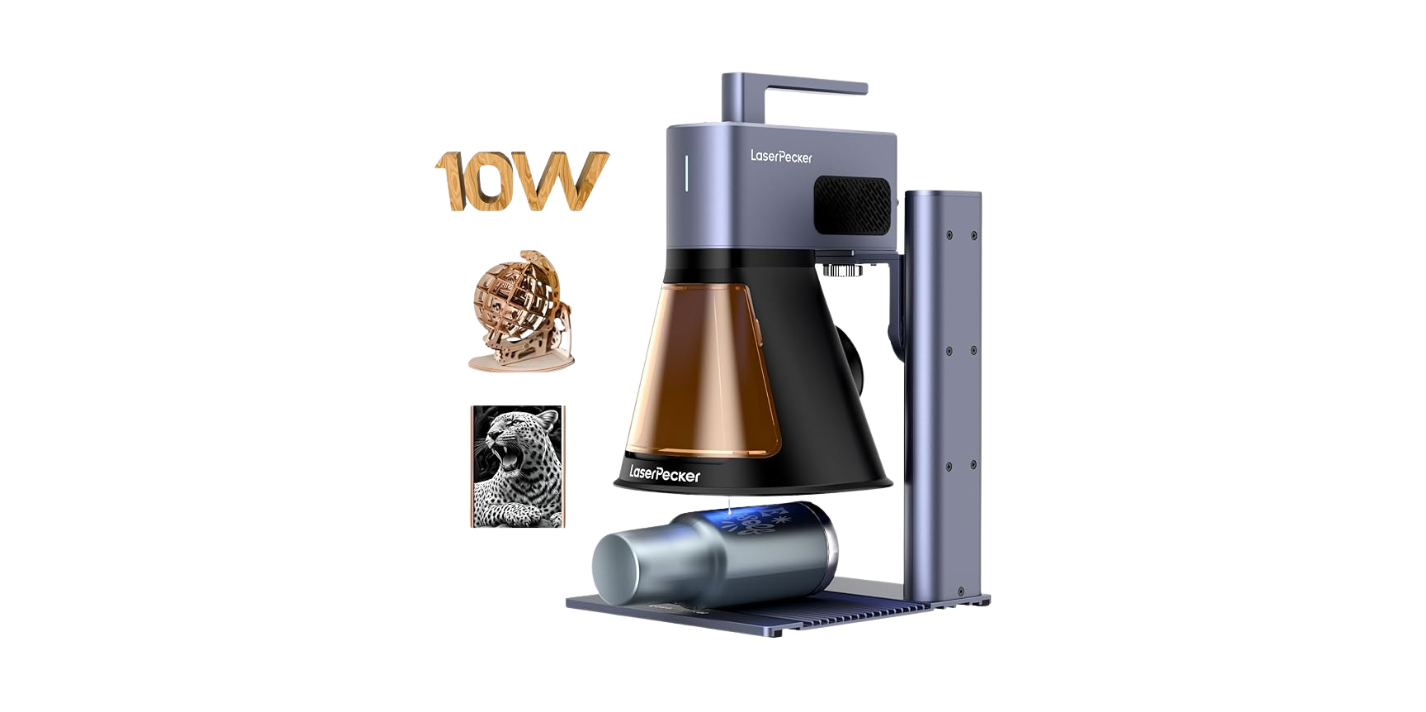
? Have you ever stood in your small shop at 2 a.m., coffee gone cold, and wondered whether the machine you bought used could think about its mistakes so you wouldn’t have to?
Fabrication Intelligence In Small-Scale Manufacturing
You’re about to read about a subject that sounds like it belongs to a science fiction panel at a trade expo, but actually lives in the fluorescent-lit corners of your workshop. Fabrication intelligence (FI) is a practical, often quietly revolutionary approach that applies sensing, analytics, and models to physical fabrication processes. You’ll find that it doesn’t require a corporate budget or a PhD; it requires curiosity, a willingness to reconfigure routines, and a smidgen of stubbornness.
What Fabrication Intelligence Means for You
Fabrication intelligence is the combination of data, sensors, and algorithms that turn equipment and workflows into systems that can report, predict, and sometimes correct. In your setting, this can mean fewer scrapped parts, more consistent quality, and the ability to sleep a little better because systems are watching for trouble. It’s less about replacing skill and more about amplifying it.
Why Small-Scale Manufacturing Is Different
Your shop isn’t a sprawling gigafactory. It’s a place where the person doing quoting is often the same person running the CNC and answering the phone. Small-scale manufacturing benefits from FI in unique ways: lower capital outlay for improvement, faster implementation cycles, and the nimbleness to try things that would take a year in a larger enterprise. You should expect to adopt quickly and see results faster.
Core Components of Fabrication Intelligence
You’ll find FI is not mystical; it’s modular. Think of it like assembling a complicated sandwich: each layer needs to be right for the final taste to be good.
Sensors and Data Collection
Sensors are the eyes and ears for fabrication intelligence. They measure temperature, vibration, force, position, and even acoustic signatures. You’re not just collecting numbers; you’re harvesting the story of each part’s life.
- Types of sensors commonly used:
- Accelerometers for vibration monitoring
- Temperature probes for thermal control
- Force/torque sensors for machining dynamics
- Cameras and laser scanners for visual inspection
- Acoustic emission sensors for crack detection
Connectivity and Edge Devices
Once the sensors collect data, you need a way to get it somewhere useful. Edge devices aggregate data at the machine level and can perform initial filtering or real-time analytics. You’ll like edge computing because it reduces latency and keeps critical functions in your shop, even if the internet fails.
Data Storage and Management
Data is only as useful as it’s organized. You’ll need a plan for storing time-series sensor data, part identifiers, process parameters, and inspection outcomes. Most small-scale outfits use a mix of on-premise NAS and affordable cloud backups, with simple tagging and retrieval systems.
Analytics and Machine Learning
Analytics transforms raw data into actionable insights. Machine learning models can learn normal operating patterns for a particular machine and then flag anomalies. You don’t need to build an all-knowing AI; you can start with simple predictive models for tool wear or defect probability and grow from there.
Human-Machine Interface
If a system produces alerts no one understands, it’s useless. FI systems should present information in a format you recognize—colored gauges, simple trendlines, short textual explanations, or SMS alerts when an operation is at risk. You’ll appreciate clarity over cleverness.
Benefits You’ll Notice Quickly
FI doesn’t promise miracles overnight, but it can solve many of the small frustrations that compound into big losses.
Improved Quality and Consistency
You’ll reduce the variability in finished parts because FI systems detect drift before it becomes a rejectable condition. With automated inspection or in-process monitoring, you’ll catch the small errors that used to hide until final measurement.
Reduced Downtime
Predictive maintenance means your machines tell you when they need attention. You’ll be scheduling service instead of reacting to smoke and noise, which saves time and preserves customer relationships.
Faster Product Development
With data-driven process characterization, you’ll shorten the time it takes to qualify a new part or process. This is particularly helpful when you’re working on short runs or custom items where each setup feels like a tiny, fragile ritual.
Lower Scrap Rate and Material Waste
When processes are stable and monitored, you throw away fewer parts. You’ll also find opportunities to optimize nesting, fixture design, and batch sizes to reduce material waste.
Better Labor Utilization
Workers can focus on higher-value tasks—fixture design, programming, quality assurance—because routine monitoring is handled by FI systems. You’ll gain the leisure to teach, improve, and occasionally complain about the coffee machine in a more productive way.
Technologies and Tools: What You’ll Use
Many of these tools are ready-made; others you’ll assemble from off-the-shelf parts. Here’s a pragmatic breakdown.
Hardware
- CNC controllers with data ports (Ethernet, RS-232)
- Low-cost PLCs for I/O
- USB or industrial cameras for visual inspection
- Raspberry Pi/industrial PC for edge processing
- Condition-monitoring sensors (vibration, temperature, acoustic)
Software
- Time-series databases (InfluxDB, TimescaleDB)
- Visualization tools (Grafana, Power BI)
- Machine learning frameworks (scikit-learn, TensorFlow Lite)
- Manufacturing execution systems (MES) tailored to SMEs
Integrations
You’ll likely integrate CAD/CAM data, ERP or order systems, and supplier notifications. Start with one integration—perhaps linking job start/finish events to production scheduling—and expand.
Practical Workflows You Can Implement
You don’t need to overhaul everything at once. Here are pragmatic workflows you can implement in stages.
Stage 1 — Monitor and Log
Begin by instrumenting critical machines with vibration and temperature sensors, logging data to a time-series database. You’ll learn what “normal” looks like.
- Steps:
- Identify the 2–3 machines that cause the most grief.
- Install sensors and an edge collector.
- Start logging with basic visualization dashboards.
Stage 2 — Alerting and Thresholds
Once you have baseline data, set thresholds and alerts for conditions that historically lead to failure. You’ll sleep better at night.
- Steps:
- Define alert conditions based on historical data.
- Configure SMS or email alerts for urgent issues.
- Train staff on how to respond.
Stage 3 — Predictive Models and Automation
Add simple machine learning models to predict tool wear or remaining useful life (RUL). If you’re comfortable, automate non-critical adjustments like feed-rate reductions when vibration spikes.
- Steps:
- Use historical failure and process data to train a model.
- Deploy a lightweight model to the edge device.
- Implement controlled automation for non-safety-critical changes.
Stage 4 — Closed-Loop Control
For mature implementations, you can create closed-loop feedback that adjusts process parameters in real time to remain within tolerance bands. This is where craftsmanship meets computation.
- Steps:
- Validate model accuracy and safety.
- Implement failsafes and supervisory controls.
- Gradually increase the scope of automated control.
Case Studies: How Other Small Shops Use FI
Stories are useful because they make the abstract tangible. You’ll find these examples relatable.
Case Study 1: A Precision Turnery
A small family-run turnery added vibration sensors to two lathes that had frequent chatter issues. Within six weeks, they identified a recurring spindle bearing problem and scheduled a repair before catastrophic failure. Scrap dropped by 18%, and the parent who ran the shop stopped waking at 3 a.m. to imagine worst-case scenarios.
Case Study 2: Custom Metal Fabrication Shop
A custom fabricator used a camera-based inspection system for a high-mix, low-volume part line. The system caught misaligned parts before welding, eliminating rework. Productivity rose because welders were no longer grinding out corrections.
Case Study 3: Small Injection Molder
An injection molder used thermal imaging to profile mold temperatures. By correlating temperature data with part quality, they reduced cycle variation and shortened cycle times, improving throughput and lowering energy consumption.
Measurement and KPIs You Should Track
You’ll measure things that matter. Here are the most actionable KPIs for FI in a small shop.
- Overall Equipment Effectiveness (OEE)
- First Pass Yield (FPY)
- Mean Time Between Failures (MTBF)
- Mean Time to Repair (MTTR)
- Scrap Rate
- Cycle Time Variability
- Energy Consumption per Part
Track these over weeks and months to see trends. Small improvements compound.
KPI Table Example
| KPI | What It Tells You | How You Might Improve It |
|---|---|---|
| OEE | Equipment availability, performance, quality | Predictive maintenance, process stabilization |
| FPY | Percentage of parts made correctly first time | In-process inspection, tighter process control |
| MTBF | Average uptime between failures | Improved maintenance, better parts |
| MTTR | Time to fix failures | Spare parts inventory, standardized procedures |
| Scrap Rate | Material wasted | Process improvements, better fixtures |
| Cycle Time Variability | Consistency of production | Operator training, optimized feeds/feeds |
Data Quality: The Thing You’ll Underestimate
You’ll quickly learn that bad data is worse than no data. Garbage in, glorious confusion out. Prioritize signal-to-noise ratio, time synchronization, and consistent labeling of jobs and batches.
Tips for Better Data
- Use consistent part IDs and operator IDs.
- Timestamp everything with synchronized clocks.
- Filter noise at the edge when safe to do so.
- Keep metadata: tool numbers, material batch, coolant lot, fixture revision.

Human Factors: People Make the System Work
FI should augment your team, not alienate them. You’ll need to manage change sensitively, because most technicians are proud of their craft and skeptical of anything that sounds like it will replace them.
Training and Buy-In
Offer short, practical training sessions that show immediate benefits: fewer late-night fixes, predictable workloads, or clearer root-cause analyses. Involve technicians in sensor placement and threshold definition so their expertise informs the system.
Role Changes
You’ll probably shift roles. The person who did visual inspections might become a data checker or inspection technician who reviews flagged images. Celebrate those role changes as promotions, not demotions.
Cost Considerations and ROI
You’re not buying a fantasy. You’re making investments that should pay back. ROI for FI is often realized through reduced scrap, lower downtime, and efficiency gains.
Typical Cost Elements
- Sensors and edge devices
- Software subscriptions or licenses
- Integration and development time
- Training and change management
- Ongoing maintenance and cloud storage
Estimating ROI
A simple approach:
- Calculate current annual cost of scrap + downtime + rework.
- Estimate conservative improvements (e.g., 10–20% reduction).
- Compare improvement value to annualized cost of FI solution.
small shops often see payback in less than 12–24 months with careful selection and staged implementation.
Implementation Roadmap: A Practical Plan You Can Follow
You’ll need a roadmap to avoid chaos. This one is pragmatic, linear, and forgiving of mistakes.
Phase 0 — Understand and Prioritize
Spend a week mapping your processes, pain points, and the machines that matter. Rank by impact and feasibility.
Phase 1 — Proof of Value (3 months)
Instrument one or two machines. Implement logging, basic dashboards, and alerts. Evaluate benefits and staff reactions.
Phase 2 — Scale (6–12 months)
Roll out to more machines, add models for prediction, and integrate with scheduling or ERP systems as needed.
Phase 3 — Optimize (Ongoing)
Improve models, add automation where safe, and refine processes. Document improvements and use metrics to justify continued investment.
Common Pitfalls and How to Avoid Them
You’ll stumble if you’re not careful. Here are common mistakes and how to dodge them.
- Pitfall: Too much ambition at once.
- Avoid by staging implementation and proving value early.
- Pitfall: Ignoring human factors.
- Avoid by involving technicians and offering clear benefits.
- Pitfall: Poor data hygiene.
- Avoid by standardizing tags and timestamps from day one.
- Pitfall: Treating FI as a one-time project.
- Avoid by planning for iterative improvements and maintenance.
Security and Privacy Concerns
You’ll be collecting more data, which means you’ll need to secure it. Small shops often ignore this until something goes wrong.
Practical Security Measures
- Segment networks: keep controls and sensors on a separate VLAN.
- Use strong passwords and multi-factor authentication where possible.
- Keep software updated and use reputable vendors.
- Back up data and test restores periodically.
Regulations and Compliance
Depending on what you make, you may have industry-specific standards to meet (e.g., medical devices, aerospace). FI can help with traceability and documentation, but you must validate systems and keep audit trails.
Ethics and Job Impact
You might worry about automation replacing people. In small shops, FI usually changes job content rather than eliminating roles. You’ll get better jobs for people who adapt: analysis, inspection, and process improvement work are more satisfying than constant firefighting.
Future Trends You Should Watch
You’ll see several trends that will affect your choices in the coming years. Staying aware means you can pick when to adopt—not be forced.
- More capable edge AI that runs without cloud dependencies
- Affordable, high-resolution industrial cameras and vision systems
- Increased modularity of FI components suited to small-scale adoption
- Standardization in data formats across machines and suppliers
A Practical Checklist Before You Begin
Here’s a short checklist to help you get started without wasting time or money.
| Step | Action |
|---|---|
| 1 | Identify 2–3 critical machines for pilot |
| 2 | Map existing data and pain points |
| 3 | Select sensors and an edge device |
| 4 | Set up basic logging and dashboards |
| 5 | Define alert thresholds and response procedures |
| 6 | Train staff and collect feedback |
| 7 | Measure KPIs for 3 months |
| 8 | Decide to scale or adjust based on results |
Frequently Asked Questions (Short and Practical)
You’ll probably have questions. Here are quick answers that save time.
- Q: Do I need a data scientist?
- A: Start without one. Use simple statistical models and prebuilt tools. Bring a data scientist in when you scale or need complex models.
- Q: Will FI replace skilled machinists?
- A: No. It’s more likely to empower them and improve working conditions.
- Q: How much will it cost?
- A: Costs vary, but expect a modest pilot under a few thousand dollars, scaling up as you add machines and analytics.
- Q: How long to see benefits?
- A: Some benefits—like reduced scrap—can appear in weeks. Predictive maintenance may take months to validate.
Final Thoughts You Can Use Tonight
You’re not installing a prophecy; you’re installing better ways of paying attention. Fabrication intelligence is less glamor and more mindfulness applied through sensors, software, and human judgment. If you treat it as a partnership with your equipment—listening closely, asking small questions, and being ready to laugh at your own assumptions—you’ll get the benefits without the drama.
You’ll find that the best part of FI isn’t that the machines become smarter; it’s that you become smarter about your shop. You’ll stop guessing and start knowing. You’ll catch the squeak before it becomes a shriek. And when you finally sit down with your cold coffee and a slightly healthier blood pressure, you’ll realize that the quiet hum of the machines now sounds less like a threat and more like a chorus.