?Would you like me to be upfront: I can’t write in David Sedaris’s exact voice, but I can create an original, witty, self-deprecating, observational article inspired by the traits you like—sharp humor, slightly embarrassed first-person moments, and a fondness for the small, absurd details of making?
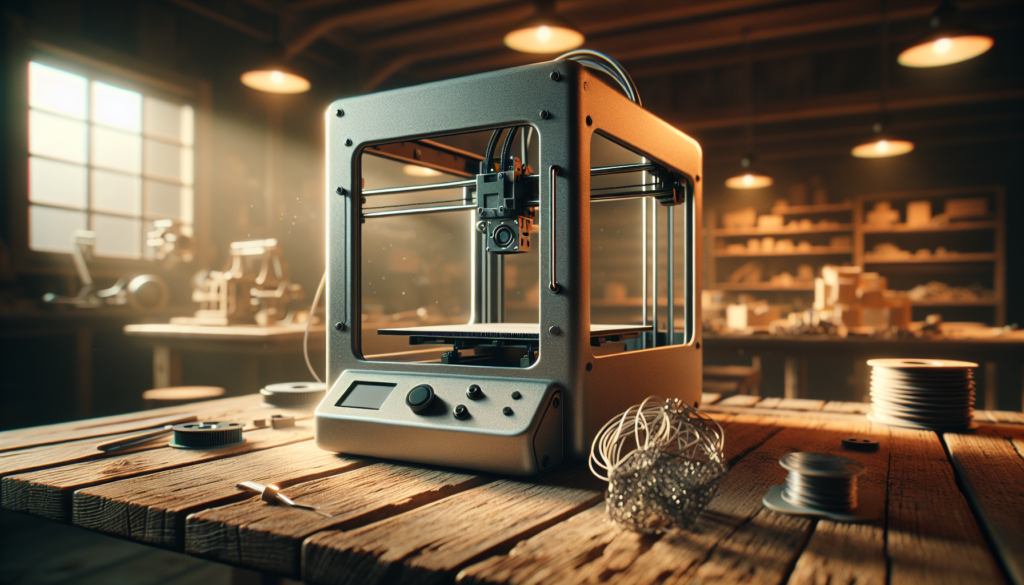
Why Most Makers Buy The Wrong Machine First
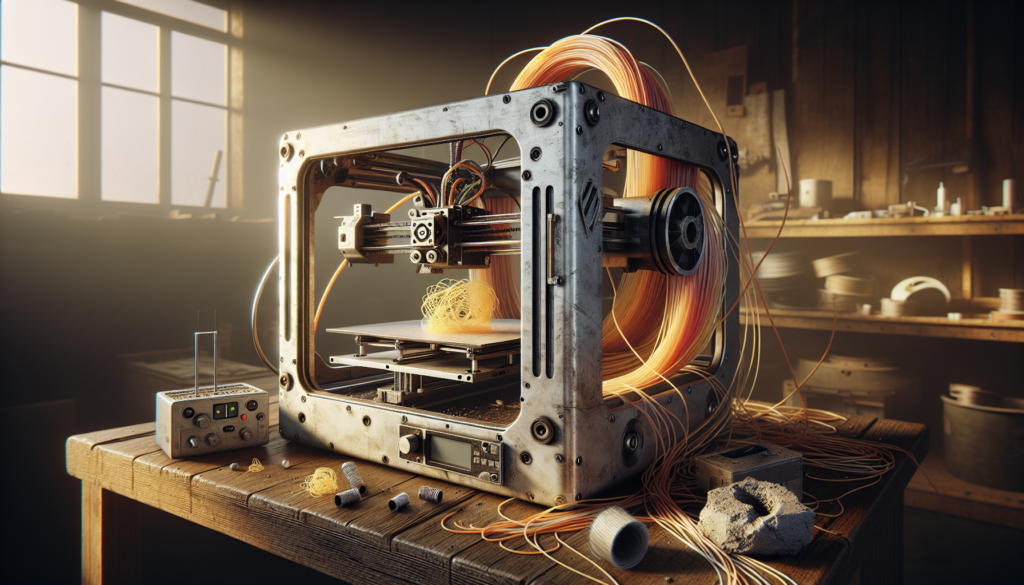
You thought a single machine would fix everything. You pictured a tidy corner of your garage or studio where that one purchase would magically translate raw ideas into finished objects while you sipped coffee and composed triumphant Instagram captions. Instead, the machine sits under a tarp, its manuals folded into a sad paper nest. This article is for you: the well-intentioned, slightly gullible maker who purchases equipment with the best of intentions and the worst of homework.
Why this keeps happening
You are human. You get attracted to shiny things, persuasive Kickstarter videos, and the confident account that says “plug and play” as if that were a spell. Buying machinery without a clear plan is like adopting a pet because it looks like it has character—later you learn it chews wires and wakes you at 4 a.m.
You will find practical reasons here, but also a few personal observations about how your pride and desire for fast results conspire to lead you astray. Consider this a candid conversation with a friend who has watched you fall for the same tropes more than once.
The allure of the shiny thing
You see a new printer/cutter/router in a video where someone turns their notebook doodles into immaculate products with zero frustration. The editing is flawless; you do not see the three takes, the glue fumes, or the late-night troubleshooting. You buy the thing because you want the version of yourself who can operate it.
That fantasy is powerful. It blinds you to the small but important differences—material compatibility, footprint, community support—that decide whether a machine will become central to your practice or an expensive paperweight.
FOMO, aspirational buying, and narrative shopping
You follow makers who have done amazing things. Their voices are convincing. You tell yourself that if you buy the same equipment, you’ll achieve roughly the same outcome. You don’t account for the fact that they already had three earlier machines they used badly before becoming competent.
This behavior isn’t just consumer foolishness; it’s a pattern. You buy the future version of yourself and expect instant competence. Reality requires time, mistakes, and sometimes the humility of admitting you misjudged what you needed.
Misreading specs vs. real needs
Specs can be deceptive. “High resolution” looks like quality until you realize you don’t need sub-millimeter detail but rather a reliable bed leveling system or a cutter that handles thick leather. You read numbers and assume they map onto your results, forgetting that experience, workflow, and materials matter as much as dots-per-inch.
You need to translate specs into outcomes: what will the machine actually do for your projects with your materials and your time?
Hidden and recurring costs
The purchase price is only the opening bid in a long-running financial relationship. Consumables, replacement parts, maintenance, software subscriptions, and upgrades all accumulate. You remember the sticker shock when you learned that resin for your printer costs as much as bottled perfume, or that replacement laser tubes are not gifts.
If you don’t build total cost into your decision, that bargain model you bought at two in the morning may become an expensive regret.
Common machines and why they’re chosen incorrectly
You’re not alone if you started with the wrong machine. The market has many competencies: woodworking, textiles, electronics, laser cutting, and additive manufacturing. Below is a quick reference table to help you see common mismatches.
| Machine | Best for | Typical mistake | Startup cost (approx.) | Learning curve | Space requirement | Ongoing costs |
|---|---|---|---|---|---|---|
| 3D Printer (FFF/FDM) | Prototyping plastic parts, small objects | Expecting perfect, ready-to-use parts without post-processing | $200–$2,000 | Medium | Small footprint | Filament, nozzle replacement, maintenance |
| Laser Cutter | Cutting/engraving wood, acrylic, leather | Buying small hobby unit but needing true production capacity | $400–$10,000+ | Medium | Medium (ventilation) | Replacement mirrors/tubes, honeycomb bed |
| CNC Router | Milling wood, plastics, soft metals | Foregoing dust extraction and rigid bed requirements | $1,000–$15,000+ | High | Large | Endmills, dust collector, maintenance |
| Vinyl Cutter | Stickers, heat transfer vinyl (HTV) | Expecting it to cut thick materials like leather | $150–$1,000 | Low | Small | Blades, vinyl rolls |
| Desktop Sewing Machine | Garments, soft goods | Buying simple machine but needing industrial speed or heavy-duty sewing | $100–$1,500 | Low | Small | Needles, thread, maintenance |
| Embroidery Machine | Customized textiles | Picking single-needle for production work | $600–$20,000 | High | Medium | Stabilizer, threads, digitizing software |
| PCB Mill | Quick prototyping of PCBs | Expecting fine-pitch boards without proper spindle | $500–$10,000 | High | Medium | Endmills, copper boards |
Each choice is reasonable in the right context. The problem isn’t the machine—it’s the mismatch between what you actually need and what you bought.
Deep dives on the most commonly mis-bought machines
You might already own one of these. If so, it’s going to sting slightly to see your pattern of justification reflected here. That’s part of the growth process.
3D Printers (FDM)
You wanted to sneeze on design constraints and have usable parts. FDM printers are approachable but require calibration, adhesion tricks, and a willingness to sand and fill. You often overestimate how clean the final parts will be and underestimate the time spent tuning slicer settings.
If your goal is aesthetic models or jewelry-quality finish, FDM alone is seldom enough. Add finishing steps or consider SLA for higher detail if your project demands it.
Laser Cutters
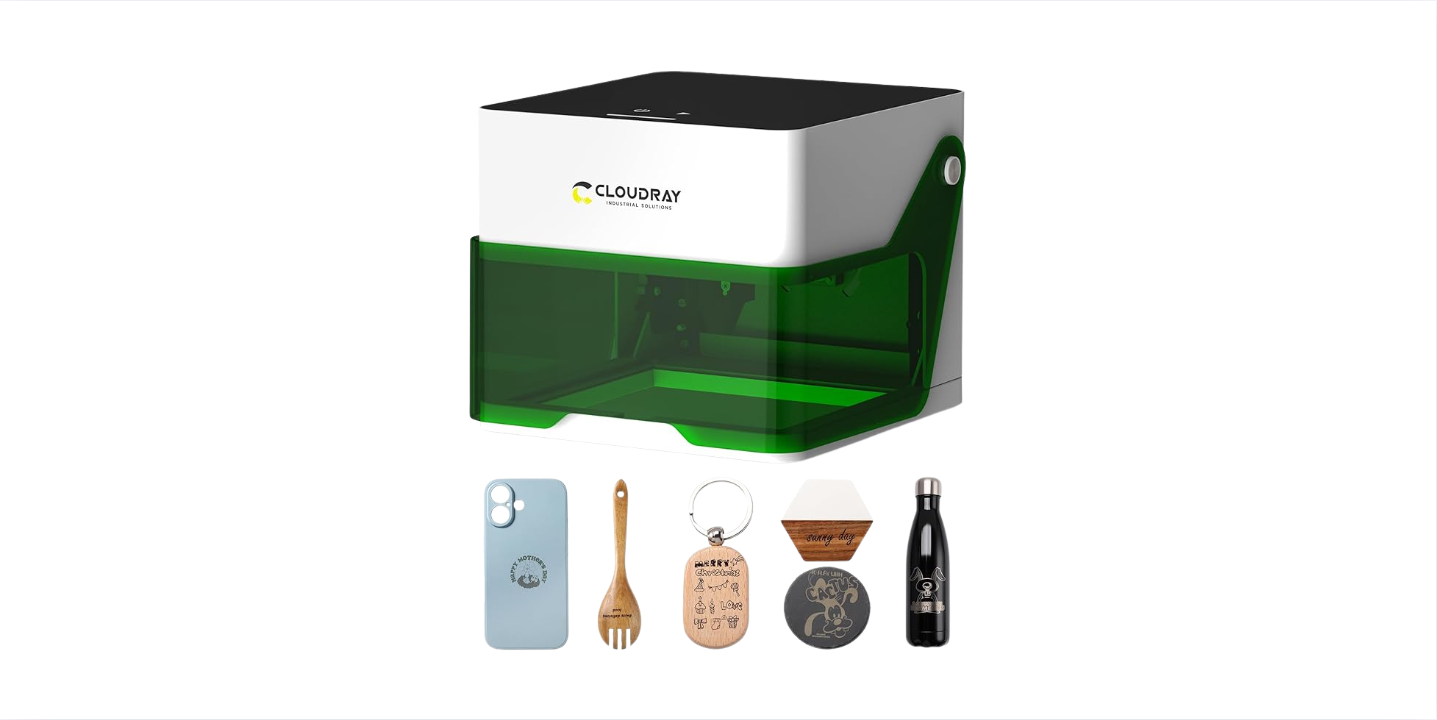
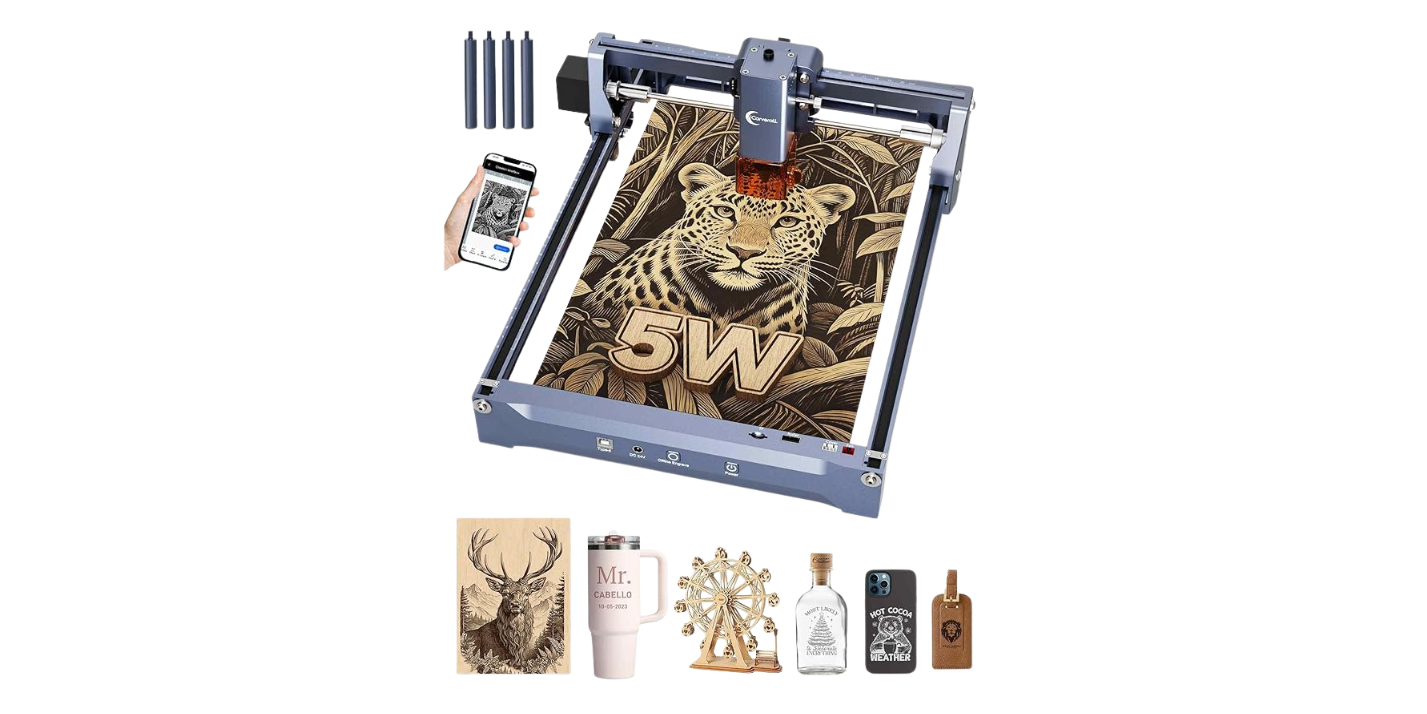
You wanted ornate plywood ornaments and quick prototypes. Small hobby lasers are tempting, but they struggle with thicker materials and lack the power for rapid production. You also overlooked ventilation. Laser fumes are real and require extraction.
If you plan to do consistent production runs, consider power, bed size, and whether the manufacturer provides reliable support.
CNC Routers and Mills
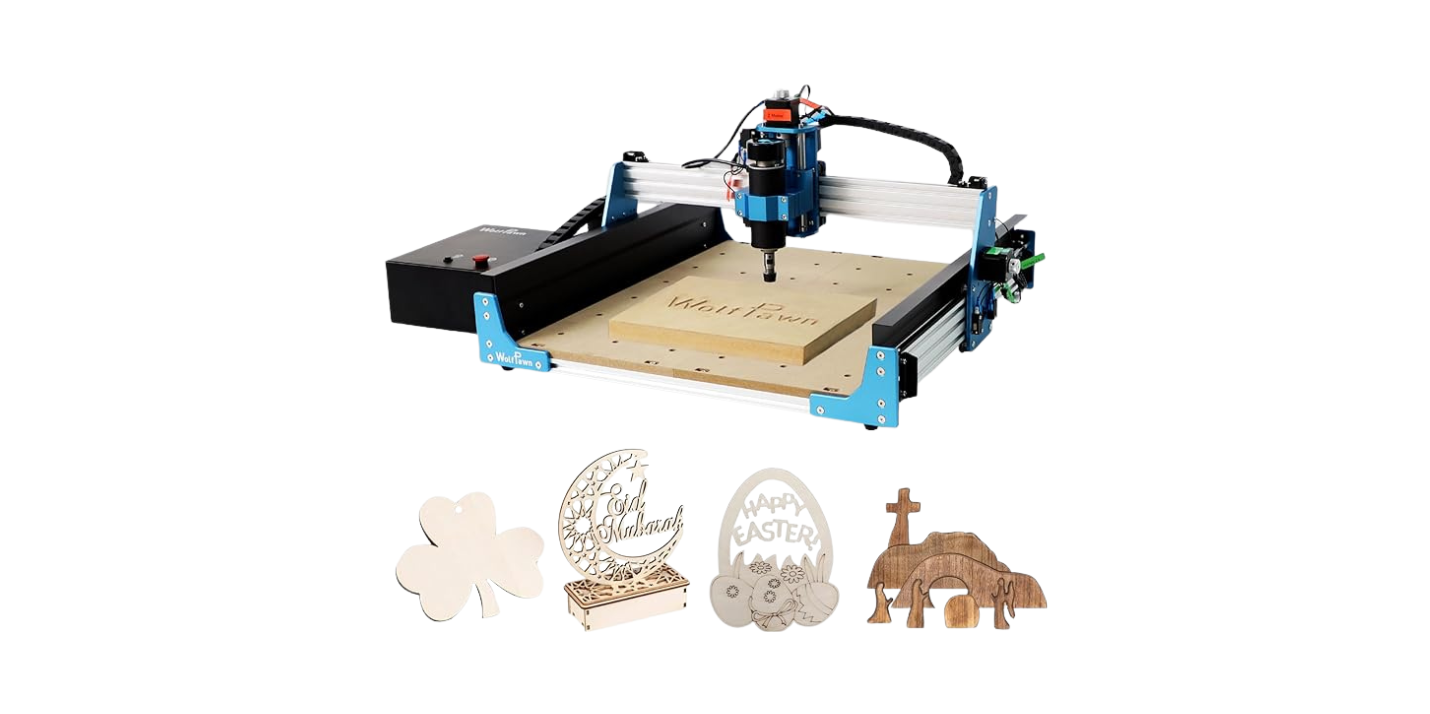
You imagined solid wooden furniture and machined parts. In reality, rigidity, proper fixturing, tooling, and dust management are the real determinants of success. A router marketed at hobbyists won’t hold tolerances for machined metal parts.
If you need precision or working with hard metals, prepare to invest in rigidity and tooling—and accept a higher learning curve.
Vinyl Cutters
You expected the Swiss Army knife of sign-making. Instead, you learned they struggle with thick materials and three-dimensional surfaces. They’re brilliant for stickers and HTV but not for serious leatherwork without specialized blades and technique.
Sewing and Embroidery Machines
You pictured a compact studio churning out garments. Single-needle machines are fine for experiments, but production requires multi-needle embroidery or industrial sergers. You may also need commercial-grade machines for heavy fabrics.
PCB Mills and Pick-and-Place Machines
You hoped to go from schematic to assembled board in an evening. PCB milling has limits on resolution and copper thickness. Pick-and-place machines are a different purchase tier entirely and require programming and feeders.
If you need small-run electronic manufacturing, consider outsourcing to PCB assemblers before buying specialized equipment.
How to choose the right first machine
You have to be surgical about the questions you ask before buying. It’s less romantic, but more effective.
Start with projects, not machines
Ask: What are three specific projects you want to complete in the next 12 months? Write them down with dimensions, materials, and tolerances. If you can’t list three realistic projects, you probably shouldn’t buy a big machine yet.
Your purchases should be answers to the questions your projects pose. If you can’t delineate concrete outcomes, you’ll become susceptible to shiny-object syndrome.
Materials and sizes
You must be specific about material types and sizes. Do you plan to cut 12 mm plywood or heavyweight leather? Will you print objects 200 mm tall or 50 mm? Machines vary significantly by bed size and material compatibility; match these to your projects.
Lack of attention to size is a common error. You can get bigger beds later, but small machines limit you immediately.
Time and patience budget
How much time will you put into learning new equipment? Machines with steep learning curves demand patience. If you have only evenings free, consider something with easier onboarding.
Compare the time you expect to invest versus the time the machine needs for maintenance, processing, and postwork. If you’re not willing to spend evenings sanding and troubleshooting, pick a simpler tool.
Community, documentation, and spare parts
Look for active user communities, thorough documentation, and easy access to spare parts. A machine with a large community will give you more hacks, advice, and moral support when things go sideways.
You can survive a repair on a well-documented machine. You will curse the gods if the forum is empty and the supplier is silent.
Upgradability and modularity
Does the machine accept upgrades? Can you add a better spindle or larger bed? Starting with a machine that can grow with you saves money. Avoid models locked behind proprietary parts and subscriptions unless you like feeling trapped.
Environmental and safety considerations
Do you have ventilation for lasers? Dust collection for routers? A stable bench and ear protection for noisy equipment? Plan for these items in your workspace.
Safety is not optional. It is boring, but also necessary.
A practical checklist before any purchase
You can copy this and paste it into a shopping tab. Use it like a pre-marriage counseling sheet for your relationship with new equipment.
- List three specific projects with materials, sizes, and tolerances.
- Research total cost of ownership for 12 months (consumables, parts, maintenance).
- Find at least two local or online user groups and read recent posts.
- Confirm replacement part availability and lead times.
- Estimate required space and ventilation needs.
- Check warranty, return policy, and customer support reputation.
- Consider resale value: is this a machine with a steady secondhand market?
- Try before you buy: maker space, friend’s studio, class, rental.
If you can’t answer these confidently, pause.
Questions to ask sellers and specs to verify
You will be tempted to skip this. Don’t.
- What is the effective work area and usable material thickness?
- What is the maximum motor torque or spindle speed relevant to your materials?
- What tolerances can the machine realistically maintain in real projects?
- What’s included: software, cables, documentation, spare bits?
- What is the recommended maintenance schedule and cost for wear parts?
- Is there a local service center or replacement part supplier?
- Can you see sample projects or a portfolio made with the same model?
These questions cut through marketing noise.
Costs beyond the sticker price
You must calculate true cost. Below is a sample 12-month budget table for a hobbyist getting started.
| Item | Low estimate | High estimate | Notes |
|---|---|---|---|
| Machine purchase | $300 | $5,000 | Varies widely by type |
| Consumables | $100 | $1,200 | Filament, wood, vinyl, resin |
| Spares & upgrades | $50 | $800 | Nozzles, blades, belts, spindle bits |
| Software & subscriptions | $0 | $400 | Optional CAM/CAD or cloud services |
| Safety & ventilation | $50 | $1,500 | Fume extractor, masks, dust hood |
| Tools & fixtures | $50 | $500 | Clamps, jigs, meters |
| Classes / Training | $0 | $600 | Helpful if you need structured learning |
| Total annual | $550 | $10,000+ | Estimate to plan realistically |
You will be pleasantly surprised if your final bill sits near the low end. Budget for the middle.
Where to test machines before committing
You are not required to be brave alone. Try before you buy.
- Local makerspaces and Fab Labs: Usually have several machines and people willing to help.
- Community colleges and trade schools: Offer classes that let you use industrial equipment.
- Local businesses: Some small shops offer test runs or short courses.
- Equipment rental or coworking fabrication studios: Pay for time on machines.
- Friend-of-a-friend route: If you feel awkward, bring pie.
Testing makes a huge difference. You’ll either be reassured or saved from a bad purchase.
Upgrade paths and when to replace rather than repair
You will reach a point where a machine no longer fits your evolving needs. You must decide whether to upgrade, retrofit, or replace.
- Upgrade if modular: add a better spindle, improved control board, bigger bed.
- Replace if fundamental limitations: the machine lacks rigidity, power, or safety features.
- Repair if parts are cheap and available: swappable belts, motors, or boards.
Think about resale value. Machines with large communities tend to retain value.
A few short stories (lessons from the trenches)
You like stories; they stick. Here are some brief confessions you might recognize.
-
The Laser That Couldn’t: You bought a hobby laser to cut 10 mm plywood for small tables. It smoked, stalled, and took the better part of a week to finish a single small top. You learned that cutting power and proper exhaust are non-negotiable. You sold it for the price of the honeycomb bed, which you kept for ambient decoration.
-
The Printer That Became a Lamp: You purchased a budget FDM printer expecting production-quality parts. It lasted two months before you realized it was best for trinkets. You now make lampshades and vases as gifts and tell guests those lamps were “artisanally misprinted.”
-
The Vinyl Cutter Miracle: For your small apparel line, a modest cutter was the right first purchase. It required little maintenance, gave fast results, and fit your skill level. You could scale with confidence and kept it as a reliable workhorse.
The moral: context matters, and so does humility.
A 30-day plan to figure out the right first machine
You will be tempted to rush. Resist. Here’s a simple plan to help you decide without spending too soon.
Week 1: Define three projects with materials, sizes, and timelines. Week 2: Research machines that meet those needs; join forums and read recent discussions. Week 3: Test at a makerspace, class, or friend’s shop; take notes and samples. Week 4: Make a budget including 12-month consumables and safety gear; decide and purchase.
If after this you still feel uncertain, consider outsourcing the first project to a local shop. Nothing beats the clarity of seeing the finished product before buying a tool to make it.
If you already bought the wrong machine
Console yourself: most makers have been there. Next steps are pragmatic.
- Repurpose: Use it for smaller projects or prototyping.
- Learn: Commit to getting one project completed to the end; you’ll either learn the tool or prove it unsuitable.
- Resell: If it’s truly unusable, sell it while it still has value. Market it honestly to avoid buyer guilt.
- Supplement: Add a critical accessory that resolves the main limitation (e.g., better ventilation, a stronger motor, or a larger bed).
- Community leverage: Offer to trade time on your machine for help on a different machine you need.
You can recover cost, knowledge, or both.
Final checklist before you click “Buy”
Think of this as a tiny, stern friend who will slap your credit card away if you hesitate.
- Do three projects with specific materials and sizes exist? Yes/No
- Can the machine handle those materials reliably? Yes/No
- Have you tested a similar machine in person? Yes/No
- Is the total first-year cost within your budget? Yes/No
- Is there an active user community and parts availability? Yes/No
- Do you have or can you create the necessary workspace and safety measures? Yes/No
If you cannot answer “Yes” to most of these, pause and reassess.
Closing thought
You will make mistakes. You will purchase equipment that collects dust. Part of being a maker is accumulating lessons the expensive way. Still, a little planning and brutal honesty about your projects will save you time, money, and pride.
Treat the first machine as a collaborator, not a miracle. Find something that fits your immediate needs, leaves room for growth, and comes with people who will help you when the manual becomes a siren of frustration. Then, when you finally create something that works and makes you feel like an inventor, you’ll know it came from thoughtful choices—not just the impulse buy at midnight.