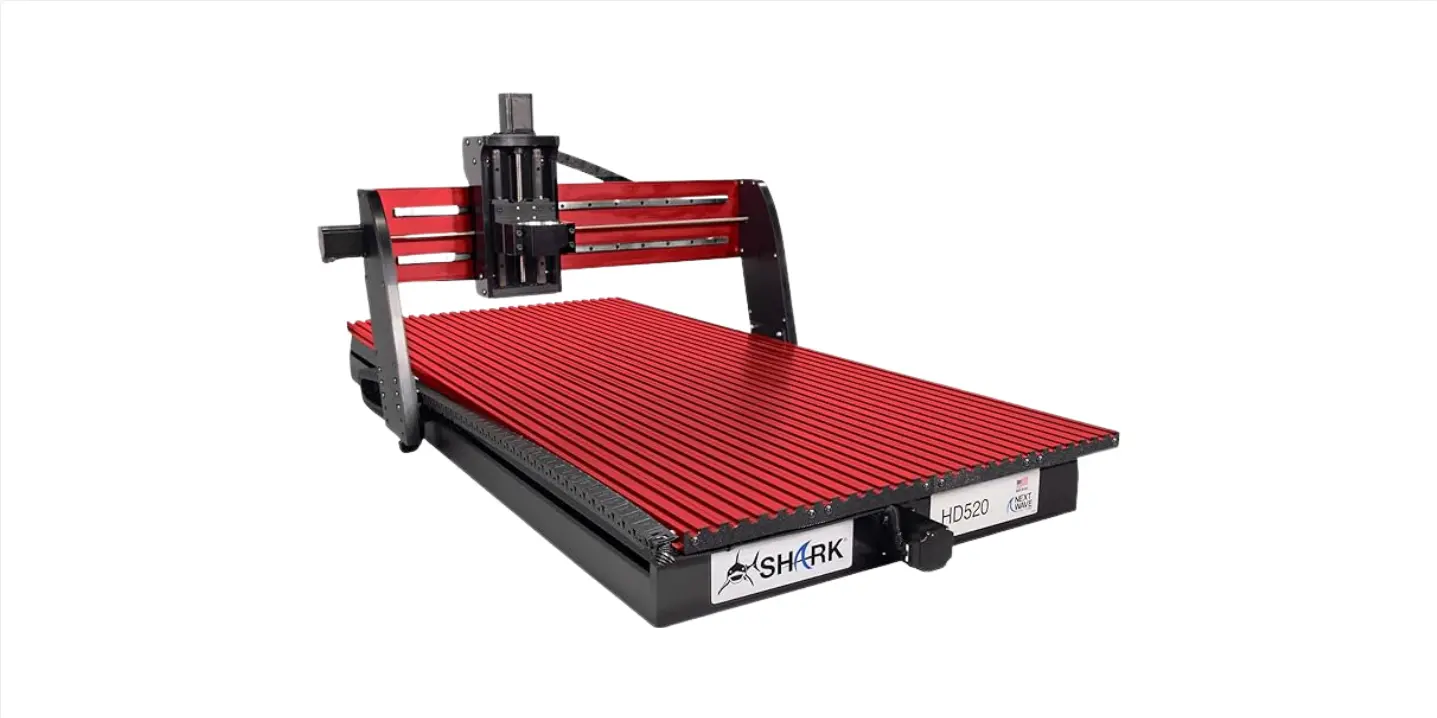
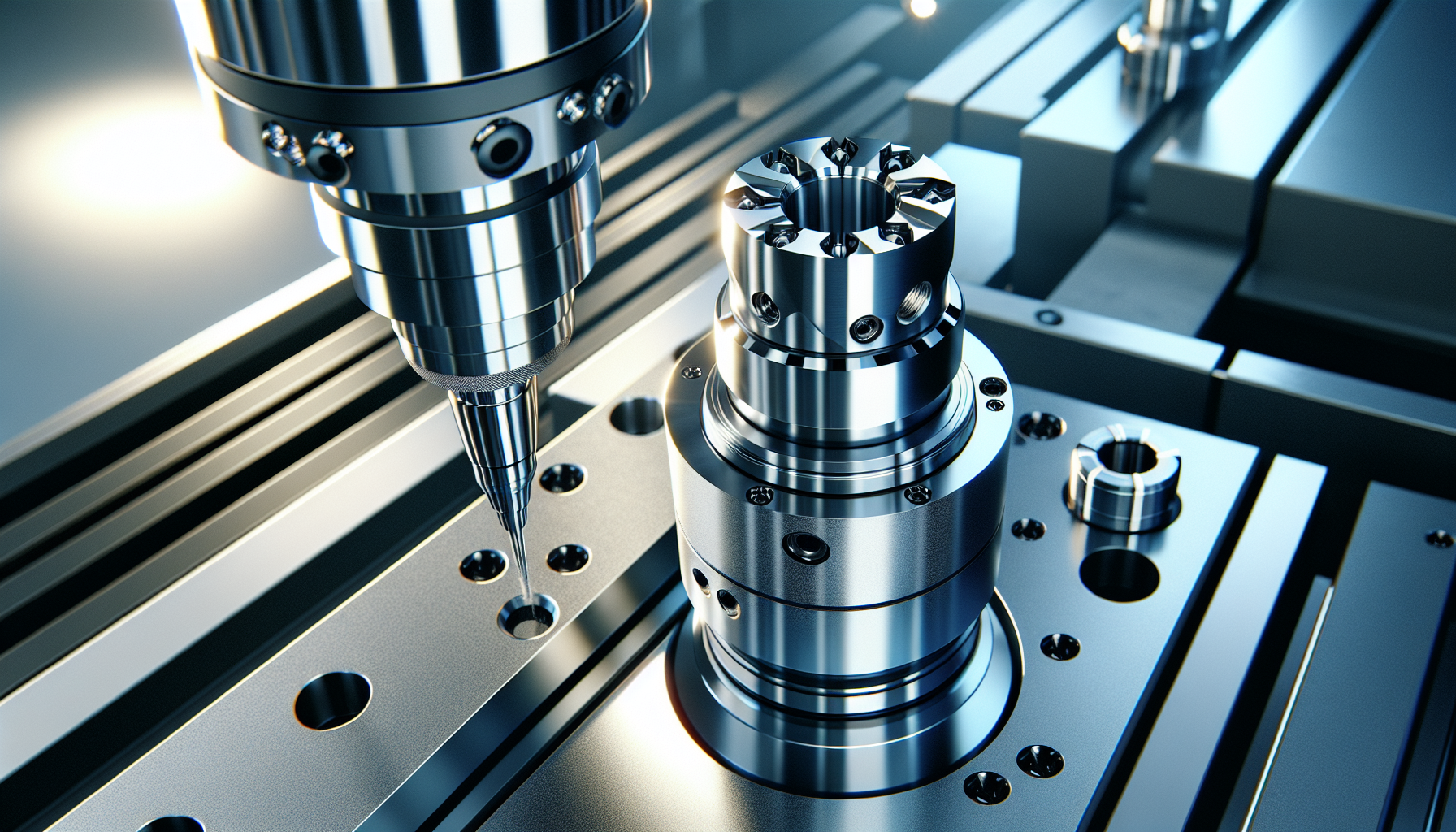
? Have you noticed that the machine in the corner of the shop that used to make only mufflers now seems to be plotting your retirement?

2026 CNC Export Trends: What Global Makers Are Buying—and Why
You’re about to read a practical, slightly opinionated guide to the CNC export landscape in 2026. The goal is to give you concrete signals, sensible recommendations, and a few amusing observations so you can act without feeling as if you’ve stumbled into a foreign bazaar of metal and firmware.
Why 2026 matters for CNC exporters and buyers
You may think machines don’t care about years; they do. 2026 marks the consolidation of several technology and policy shifts that began earlier in the decade. That consolidation changes what buyers abroad actually want from suppliers and how you position your products.
Executive summary
You’ll appreciate a short version before the deep detail. Essentially, buyers want smarter machines, reliable service, and lower lifecycle costs, and they’re willing to pay a premium—if you make it easy.
Key takeaways in one glance
You should walk away with these points: automation and connectivity lead purchases, regional demand is shifting toward localized production, used and refurbished markets expand, and compliance matters more than ever. You’ll also learn which machine types are hot and why your aftermarket services can be the decisive factor.
Global demand snapshot
You might be surprised by which regions grew fastest and which slowed down. Global demand for CNC equipment in 2026 is shaped by re-shoring, near-shoring, green regulations, and the hunger for precision in high-growth sectors.
Regional growth patterns
You’ll notice growth concentrated in Southeast Asia, Eastern Europe, and parts of Latin America. Mature markets in North America and Western Europe show steady replacement demand rather than aggressive expansion, while Africa is beginning to show niche growth tied to mining and energy.
- Southeast Asia: Manufacturing hubs and EV supply chains fuel demand.
- Eastern Europe: Automotive and aerospace subcontractors buy modern machines for competitiveness.
- Latin America: Agro-machinery and mining-related equipment purchases increase.
- North America & Western Europe: Focus on upgrades, automation retrofits, and sustainability.
Demand by industry
You’ll see demand shaped by the industries that need precision and volume. Aerospace, medical devices, electronics, and EV components dominate high-end CNC purchases. Heavy industries—shipbuilding and energy—call for robust, large-format machines.
- Aerospace & Defense: 5-axis and multi-axis machines with tight tolerances.
- Medical Devices: Micromachining, high-precision grinders, and clean-room compatible systems.
- EV & Auto Components: High-volume, automated machining centers and pallet systems.
- Electronics: Micro-milling and EDM for connectors and housings.
- Energy & Heavy Industry: Large lathes and boring mills.
What global makers are buying
You want specifics: which machine types, what features, and the price sensitivity by buyer. This section will give you a structured picture of demand so you can focus marketing, sales, or product development.
Top equipment categories in 2026
You’ll find that multi-axis, automated, and hybrid machines topped the procurement lists. Buyers prefer machines that return ROI through increased throughput and lower labor dependency.
| Category | Why buyers want it | Typical buyer profile |
|---|---|---|
| 5-axis machining centers | Complex geometries in aerospace and molds | Aerospace shops, mold makers |
| Multi-pallet automated cells | High-volume, unattended production | Tier-1 automotive suppliers |
| Hybrid (additive + subtractive) machines | Shorter lead times, complex parts | Tooling houses, R&D centers |
| CNC lathes with live tooling | Versatility and second-op consolidation | Job shops, small manufacturers |
| Wire EDM & micro-machining | Precision for medical and electronics | Medical device and electronics firms |
| Retrofit & IoT kits | Modernize aging equipment | Plants with capital constraints |
| Large vertical/horizontal boring mills | Heavy-duty component production | Energy, shipbuilding, heavy equipment |
The rising importance of software and connectivity
You’ll notice the machine is only as good as the data it produces. Buyers now demand cloud-ready controls, compatible MTConnect or OPC-UA protocols, and integrated CAM/ERP workflows.
- Standardized data formats are critical for integration.
- Predictive maintenance algorithms reduce downtime and are selling points.
- Remote diagnostics and secure OTA (over-the-air) updates are non-negotiable for some buyers.
Pricing and total cost of ownership (TCO)
You don’t get many second chances in hardware sales. Price matters, but TCO matters more. Buyers evaluate acquisition cost, energy consumption, maintenance, downtime risk, and software licenses.
How buyers evaluate costs
You’ll often face procurement teams that run NPV or payback models. Offer them clear, defensible numbers on cycle time improvements, energy savings, and expected spare parts consumption.
- First-cost vs TCO: Many buyers will accept higher first cost if TCO is at least 10–20% lower over five years.
- Energy efficiency matters: LED lighting and regenerative drives are selling points in EU buyers.
- Financing & leasing: Payment flexibility can sway purchasing decisions, especially among small-to-medium buyers.
Illustration: Sample TCO comparison
You’ll find it easier to present TCO when you provide a simple comparison. Below is a stripped-down example you can adapt.
| Item | Basic CNC (lower capex) | Smart CNC (higher capex) |
|---|---|---|
| Purchase price | $120,000 | $200,000 |
| Annual energy | $6,000 | $4,200 |
| Annual maintenance | $8,000 | $5,500 |
| Annual downtime cost | $18,000 | $7,200 |
| Software & connectivity | $500/yr | $3,000/yr |
| 5-year TCO | $250,500 | $238,500 |
You’ll notice the higher-capex machine often wins when you calculate real-world losses from downtime and poor integration.
Trade policies and geopolitical drivers
You’ll want to track tariffs, trade agreements, and industrial policy because they change demand quickly. Governments are using incentives to reconfigure supply chains, and you’ll be affected.
Non-tariff factors shaping exports
You’ll see export-credit agencies, local content rules, and green incentives influencing buyer choices. Financing can become a sales enabler.
- Export credit facilities encourage buyers in targeted regions.
- Local content regulations push foreign manufacturers to purchase domestic or locally assembled machines.
- Green grants often favor energy-efficient or low-emissions production equipment.
Tariffs and regional blocs
You’ll need to keep an eye on tariff adjustments that affect margins. Trade agreements like ASEAN, CPTPP expansions, or EU trade deals change the arithmetic for sellers.
- Preferential tariffs make regional manufacturing hubs more attractive.
- Trade tensions can temporarily increase demand for used machines or local suppliers.
After-sales, service, and supply chain resilience
You’ll appreciate that machine uptime is often more important than machine speed. Buyers buy relationships as much as machines, and after-sales service is a competitive differentiator.
Why service sells
You’ll want to push service packages because they reduce buyer anxiety. Machine reliability and local spare inventory can be decisive in procurement committees.
- Service contracts with SLAs are premium offerings.
- Local parts inventory reduces lead times for critical components.
- Training and operator upskilling reduce human error and extend warranty goodwill.
Spare parts, logistics, and local assembly
You’ll find buyers value suppliers who can avoid long lead times. Local assembly or regional parts hubs are increasingly standard.
- Regional spare part hubs reduce downtime significantly.
- Modular designs that allow quick swaps are in demand.
- Cross-docking and bonded warehouses help with customs delays.
Technology trends shaping exports
You’ll want to keep track of which technologies are influencing purchases. The 2026 buyer wants machines that feel like software: they evolve with upgrades and updates.
Automation and unattended operations
You’ll notice the move from single machines to cells that run overnight. Pallet-changing systems and robot load/unload integration are now baseline for high-volume shops.
- Lights-out capability reduces labor costs and expands shift utilization.
- Robotic tending with vision systems increases flexibility.
Hybrid manufacturing and additive integration
You’ll see additive-subtractive machines used more for tooling, complex aerospace parts, and small-batch production. They shorten supply chains and reduce tooling costs.
- Buyers appreciate the ability to print complex internal channels and then finish surfaces with subtractive machining.
- Hybrid systems save iteration time during prototyping and small series production.
AI and predictive maintenance
You’ll find AI increasingly used to predict tool wear, schedule maintenance, and prevent failure. This reduces unscheduled downtime and improves yield.
- Machine learning models trained on aggregated performance data detect anomalies earlier.
- Buyers value OEMs that can offer actionable maintenance schedules rather than raw data.
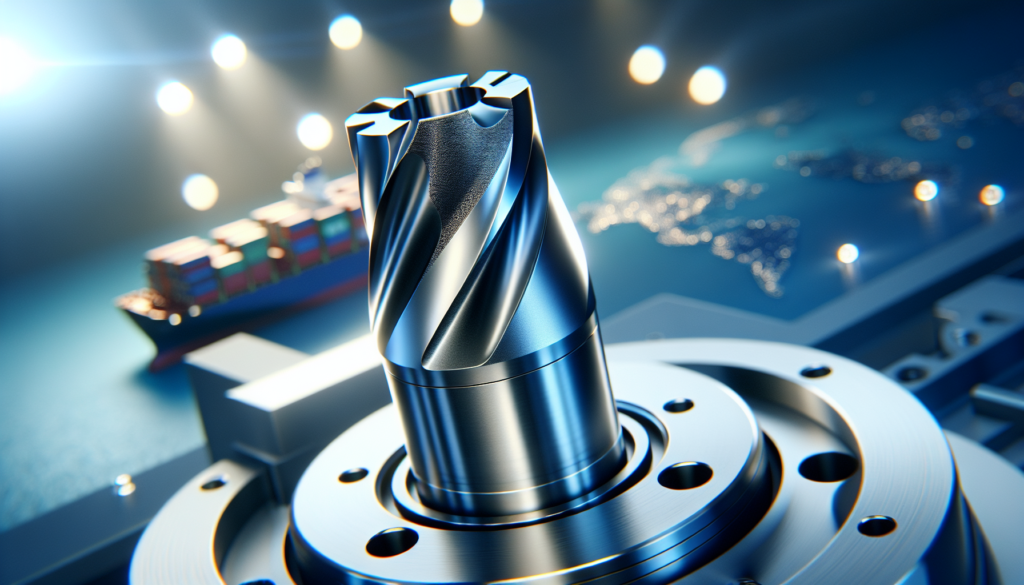
Standards, compliance, and certifications
You’ll often lose deals if you can’t certify your machines against local safety and environmental standards. Compliance is now a table-stakes item in many markets.
Key standards and what they mean for your product
You’ll need CE, ISO 12100, ATEX in some zones, and local electrical certifications. These certifications affect time-to-market and cost but are essential.
- CE marking: Mandatory for EU, requires risk assessments and documentation.
- ISO certifications: Buyers often request ISO 9001 or ISO 13485 for medical sectors.
- Local electrical approvals: Each country may require separate certification or testing.
Used and refurbished machine market
You’ll see an expanding market for used and reconditioned machines as buyers on tight budgets still need capabilities. Your position in this space can drive new customer relationships.
How used machines affect export strategies
You’ll find that refurbished machines open doors in developing markets and can be pathways to future upgrades. Selling used machines with service contracts is a proven model.
- Refurbished inventory often serves as a low-cost entry to new clients.
- Warranty-backed used machines can command much higher prices than cash-only sales.
Pricing and certification for used equipment
You’ll need thorough documentation and honest disclosure. Buyers appreciate inspected machines with data-backed histories.
- Provide inspection reports, maintenance records, and run-in certificates.
- Offer short-term service packages to reduce buyer risk.
Financing and go-to-market models
You’ll find that flexible pricing and financing often close deals faster than headline discounts. Leasing, subscription, and utility-style models are growing.
Popular payment and ownership models
You’ll want to consider multiple options to suit different buyers. Not every buyer will purchase outright.
- Operating leases: Buyers prefer predictable monthly costs.
- Pay-per-use: Attractive for low-volume projects and prototyping centers.
- CapEx + Service Bundles: Traditional but still prevalent in established firms.
Financing as a sales tool
You’ll sometimes win a deal by offering financing through partner banks or export credit agencies. Be ready to package offers with clear terms.
- Partner with local banks to provide localized financing.
- Export credit and government-backed loans reduce buyer uncertainty.
Market entry strategies and sales channels
You’ll need a practical approach to sell internationally. Direct sales work in some markets; distributors and OEM partnerships work in others.
Choosing the right channel
You’ll pick a channel based on market maturity and product complexity. High-end machines often require direct sales, while consumables and simpler systems suit distributors.
- Distributors: Good for broad coverage and spare parts logistics.
- OEM partnerships: Useful for embedded supply into larger systems.
- Direct sales: Best for complex systems requiring demos and deep technical support.
Building trust in foreign markets
You’ll build credibility through local demonstrations, trade shows, and pilot projects. Demonstration units and training can convert skeptics.
- Show ROI with customer case studies and local references.
- Offer demo days and pop-up training sessions to reduce buyer hesitation.
Risk management and mitigation
You’ll want to manage risks from currency fluctuation, export compliance, and supply chain disruption. Practical contingencies are not glamorous, but they keep deals alive.
Key risks and mitigation tactics
You’ll find simple steps reduce major headaches: invoices in local currency, bonded warehousing, and diversified suppliers.
- Currency hedging for large contracts.
- Dual-sourcing for critical components.
- Local legal counsel for contract structures and dispute resolution.
Practical checklist for CNC exporters in 2026
You’ll appreciate a checklist to translate insights into action. Use this as a sales and product development aid.
- Confirm compliance requirements for target markets.
- Offer TCO calculators tailored to buyer segments.
- Prepare demo units and remote diagnostic capabilities.
- Establish regional spare-parts hubs or distributor agreements.
- Package financing and service contracts for small-to-medium buyers.
- Create retrofit kits and IoT upgrade paths for older machines.
- Provide case studies demonstrating uptime and energy savings.
- Standardize data outputs (MTConnect/OPC-UA) and offer integration support.
- Train sales teams on ROI messaging and industry-specific use cases.
- Audit supply chain for single-source components and identify alternatives.
Case studies and buyer behavior anecdotes
You’ll find real-world examples more persuasive than theoretical models. Below are condensed, anonymized cases to illustrate how buyers decide.
Case 1: A small Eastern European mold shop
You’ll notice that smaller shops prefer machines that reduce tool changes and setups. This shop bought a 5-axis retrofit kit instead of a brand-new machine to meet immediate demand.
- Decision driver: Short lead-time for delivery and local service.
- Outcome: 25% cycle time reduction and new contracts with automotive Tier-2 suppliers.
Case 2: A Southeast Asian EV component supplier
You’ll see that larger OEMs prioritize automation and predictive maintenance. This factory invested in automated pallet systems and connected controls.
- Decision driver: Lights-out production and data integration with ERP.
- Outcome: 40% increase in throughput and reduced labor costs.
Case 3: A Latin American agricultural machinery maker
You’ll understand that buyers in emerging markets balance ruggedness and cost. They bought refurbished heavy-duty lathes with extended warranties.
- Decision driver: Lower capex and local repairability.
- Outcome: Stable production and path to future upgrades.
How to position your offering
You’ll get pragmatic tips on messaging, productization, and service. The right framing can convert procurement committees into champions.
Messaging that resonates
You’ll win more often if you frame benefits in terms of time, money, and simplicity. Let your sales team speak the buyer’s language: uptime, throughput, and integration.
- Focus on payback periods and documented case results.
- Highlight compatibility with common software and ERP systems.
- Offer simple, printable ROI sheets for procurement teams.
Productization strategies
You’ll create packages that reduce friction: machine + service + financing. Buyers like a single vendor that takes responsibility for outcomes.
- Offer tiered service levels: Bronze (parts), Silver (parts + remote support), Gold (parts + on-site response SLA).
- Include retrofit paths and modular add-ons to extend the machine lifecycle.
Future-looking signals for 2027 and beyond
You’ll want to keep an eye on a few leading indicators to stay ahead. These signals suggest where buyers will go after 2026.
Watchlist of indicators
You’ll watch these metrics as early warnings: modal shifts in trade routes, new regional industrial policies, and increased machine learning adoption.
- Growing local machine-building initiatives in developing economies.
- New subsidies for electric vehicles expanding milling and stamping demand.
- Consolidation in software platforms for manufacturing data.
Final recommendations
You’ll want straightforward, actionable steps to implement tomorrow. This list is meant to be executed by sales, product, and service teams without drama.
- Make TCO templates a standard part of your proposals.
- Invest in regional service ecosystems, even if initially expensive.
- Standardize your machine data outputs and offer integration packages.
- Pilot flexible financing models with strategic partners.
- Launch a certified refurbished program with transparent inspection records.
- Build marketing collateral around concrete ROI examples for each target industry.
- Keep a shortlist of alternative suppliers for critical components.
Closing thought
You’ll find that the CNC market in 2026 is less about the biggest spindle and more about the smallest interruption. If your machines can save a production manager an unexpected headache at 2 a.m., you won’t just sell metal—you’ll buy loyalty. And if you can tell a slightly embarrassing but true story about a machine that saved a weekend, you’ll win the room.