LaserPecker LP5 20W Dual Laser Engraver Review: Is This Pro Kiosk Tool Worth $2,999 in 2026?
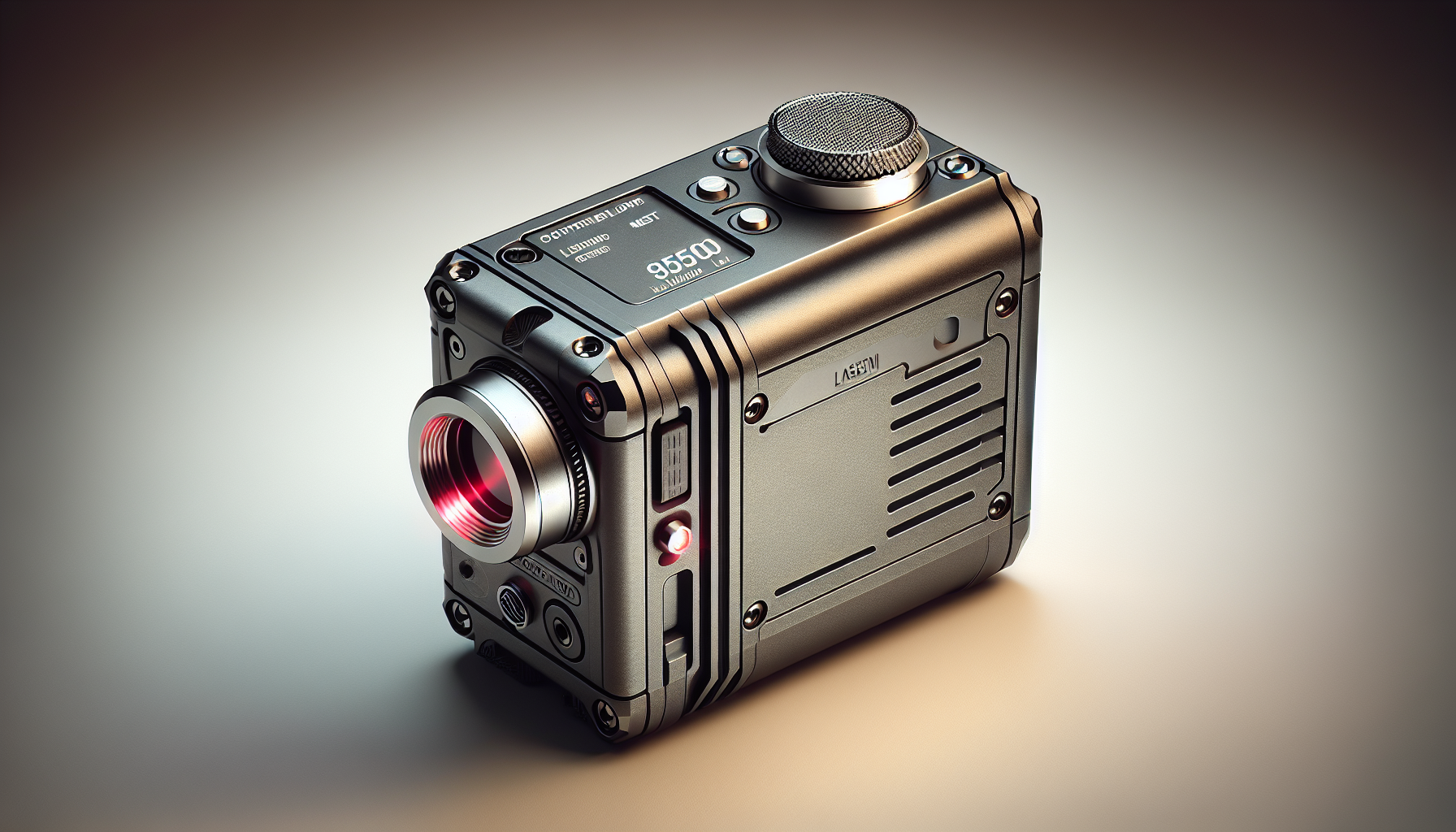
The single biggest frustration for kiosk operators, jewelry makers, and mall personalization vendors is choosing between two separate machines (one fiber laser for metals, one diode laser for organics) at combined costs exceeding $4,000 plus the floor space penalty, or accepting a single-laser machine that cuts revenue streams in half. Most portable laser engravers under $1,500 handle only organics or only thin metals; pro-grade dual-laser systems typically cost $5,000+ in benchtop form factors. The LaserPecker LP5 20W Dual Laser Engraver solves this with a genuine dual-laser system pairing a 20W diode laser with a fiber laser in a portable 6.02 kg chassis at the $2,999 price tier.
The package pairs that dual-laser flexibility with marking speeds up to 10,000 mm/s, an industry-leading 0.0027mm precision (8K-level detail), claimed cutting capacity of 20mm wood and 15mm acrylic via the diode, fiber capability up to 0.5mm brass and titanium for jewelry blanks, 3D grayscale relief engraving via the LDS (Laser Depth System), and a Material Test Array that reduces trial-and-error setup by approximately 80%. The manufacturer claims kiosk setup is 92% faster than 12kg competitor machines, with first-engrave timing within ~15 seconds of opening the unit.
This review contains affiliate links. If you buy through them, we may earn a commission, at no extra cost to you.
Critical dual-laser safety note: The LaserPecker LP5 contains TWO different laser wavelengths requiring TWO different safety glass ratings. The 455nm diode laser requires OD 4+ glasses rated for that wavelength. The fiber laser (typically 1064nm wavelength) requires OD 4+ glasses rated for that specific wavelength. Generic 455nm laser glasses do NOT protect against fiber laser exposure. Buyers must source dual-wavelength laser glasses or maintain two separate sets of wavelength-specific protective eyewear. Both wavelengths can cause permanent eye damage from direct or reflected exposure.
Who should buy: Mall kiosk operators producing personalized items during customer wait times, fair and pop-up vendors needing genuine portability for mobile operations, jewelers requiring metal marking on gold, stainless steel, brass, and titanium without separate fiber laser purchases, trophy and award shops adding on-the-spot personalization services, small business owners ready to invest in a professional revenue-generating tool, and entrepreneurs comfortable with $2,999 as a business investment with realistic ROI expectations.
Who should skip: Hobbyists on tight budgets (look at the WIZMAKER Wand MINI 2.5W or DAJA DJ6 instead), large-format woodworkers needing greater than 200 x 200mm work envelopes, anyone uncomfortable with Class 4 safety responsibility for two wavelengths, classroom programs requiring fully enclosed Class 1 designs, makers focused on hobby projects without revenue-generation plans, or buyers expecting the 20W diode to cut thick metals (it cannot; the fiber laser handles only thin jewelry-grade metals).

LaserPecker LP5 20W Fiber & Diode Dual Laser Engraver, 10X Faster 0.0027mm Precision for Metal Wood Jewelry, 3D Grayscale & Color Engraving, Portable 6kg Laser Cutter for Instant Store Customization
Quick Verdict: LaserPecker LP5 20W Dual Laser Engraver
The LaserPecker LP5 delivers what kiosk and small-shop pros actually need: a genuine dual-laser system combining a 20W diode for organics with a fiber laser for metals in a single 6.02 kg portable chassis, marking speeds up to 10,000 mm/s that complete vector jobs during customer payment windows, 0.0027mm precision producing legible micro-text and tight borders on jewelry-scale items, 3D grayscale relief via LDS for premium upsell tiers, claimed 20mm wood and 15mm acrylic cutting capability for plaques and ornaments, and the Material Test Array that reduces preset trial-and-error by approximately 80%.
The trade-offs are honest: $2,999 is genuinely premium pricing requiring legitimate revenue-generation plans to justify, both wavelengths require separate safety glass ratings (or dual-wavelength glasses), the work area is modest compared to benchtop CO2 alternatives, color engraving on stainless and titanium varies significantly with alloy and finish, photo and 3D relief work has a meaningful learning curve, and the fiber laser marks rather than cuts thick metals. Match expectations to the kiosk-pro positioning and the value math works clearly for the right buyer.
- Best for: Mall kiosks, fair vendors, jewelers, trophy shops, mobile personalization services, professional revenue-generating use
- Skip it if: Hobbyist budget, large-format work, large-bed cutting, classroom Class 1 requirements, no revenue plan
- Standout features: Dual-laser fiber + 20W diode, 10,000 mm/s speed, 0.0027mm precision, 6.02 kg portability, ~15-second setup
- Main compromises: $2,999 premium price, dual-wavelength safety complexity, modest work area, fiber doesn’t cut thick metals
LaserPecker LP5 Specifications
| Brand | LaserPecker |
| Model | LP5 |
| Laser type | Dual-laser system (Fiber + 20W Diode) |
| Diode laser power | 20W (for organics) |
| Fiber laser | For metals and jewelry blanks |
| Maximum speed | 10,000 mm/s marking |
| Precision | 0.0027mm (8K-level detail per marketing) |
| Item weight | 6.02 kg (~13.27 pounds) |
| Setup time | ~15 seconds to first engrave (manufacturer claim) |
| Setup advantage | 92% faster than 12kg competitor machines (manufacturer) |
| Cut capacity (diode) | Up to 20mm basswood, 15mm acrylic (multi-pass with air assist) |
| Cut/mark capacity (fiber) | Up to 0.5mm brass and titanium (jewelry blanks) |
| 3D grayscale | LDS (Laser Depth System) for coin-style relief |
| Material Test Array | ~80% reduction in trial-and-error setup runs |
| Color engraving | Possible on stainless steel and titanium (alloy-dependent) |
| Compatible materials | Wood, leather, acrylic, gold, stainless steel, brass, titanium, jewelry alloys |
| Safety classification | Class 4 laser (both wavelengths) |
| Price | $2,999 |
| ASIN | B0DK1HVN69 |
Key Features Tested: Where the LaserPecker LP5 Earns Its Premium Price
Dual-Laser System: Fiber Plus 20W Diode
The dual-laser configuration is the LP5’s defining feature and the strongest argument for choosing it over single-laser alternatives at any price point. The fiber laser handles metals (gold, stainless steel, brass, titanium, and jewelry alloys) where blue diode wavelengths cannot effectively mark. The 20W diode handles organics (wood, leather, acrylic, MDF, paper, fabric) plus light cutting capability that fiber lasers cannot produce. Combining both wavelengths in one portable chassis eliminates the need for two separate machines and the floor space they would require.
For kiosk operations, this dual capability transforms the revenue model. A customer can request a wooden keychain (diode side) and a metal nameplate (fiber side) in the same transaction without machine swapping or referral to “another vendor.” The transition between modes happens through software preset switching rather than physical machine changes, supporting the rapid customer turnover that makes kiosk economics work.
10,000 mm/s Marking Speed
The 10,000 mm/s marking speed is genuinely fast at a per-second measurement (equivalent to 600,000 mm/min in standard CNC notation). For practical kiosk use, this means a 30mm monogram can complete during the 30-60 second window of card payment processing and receipt printing. Vector logos, simple text, and standard initials finish before the customer’s coffee arrives. Raster-heavy photos and 3D relief work take longer regardless of speed specifications, but the headline speed delivers genuine queue-management benefits for vector-focused workflows.
0.0027mm Precision (8K-Level Detail)
The 0.0027mm precision specification produces measurably crisp output on jewelry-scale items. Practical advantages include legible micro-text on serial numbers and product IDs, tight border definition on small tags and charms, sharp QR codes that scan reliably even at 10mm sizes, and detailed photo dithering on slate and metal substrates. For makers selling premium personalized items where engraving quality directly affects perceived value, this precision pays back through customer satisfaction and pricing power on small premium pieces.
Cut Capacity: 20mm Wood, 15mm Acrylic, 0.5mm Metal
The cutting specifications match real kiosk needs. The 20W diode cuts up to 20mm basswood and 15mm acrylic with multi-pass operations and air assist, supporting wooden plaques, ornaments, standees, and acrylic display pieces. The fiber laser handles thin metals up to 0.5mm thick, which covers jewelry blanks, thin charm stock, and decorative metal pieces. Critical limitation: the fiber laser marks and lightly cuts thin jewelry-grade metals only; it cannot cut thick steel, structural aluminum, or anything beyond delicate jewelry stock.
3D Grayscale and Color Engraving
The LDS (Laser Depth System) enables coin-style 3D relief through depth-controlled stacked passes. This unlocks premium upsell tiers: medallions, sculptural medals, custom coins, and relief jewelry that command pricing significantly above flat engraving. Manufacturer marketing positions this as turning scrap metal into $50+ jewelry, which checks out as an upsell strategy when combined with display samples customers can hold and feel.
Color engraving on stainless steel and titanium is possible through oxide layer manipulation by the fiber laser, but results vary significantly with alloy composition, surface finish, and operating parameters. Plan a tiered pricing structure (guaranteed monochrome marks at one price, attempted color at premium pricing with disclosed variability), and maintain sample boards showing actual color outcomes from your specific stock to set realistic customer expectations.
Material Test Array
The Material Test Array reduces trial-and-error preset development by approximately 80% per manufacturer claims. In practical terms, this means new material batches can be calibrated in minutes rather than hours of test grids. For kiosk operators dealing with constantly changing supplier batches and seasonal stock, this calibration speed translates directly to operational efficiency and reduced downtime between project types.
6.02 kg Portable Chassis
The 6.02 kg weight (about 13.27 pounds) is roughly half the weight of competing 12kg dual-laser machines. The manufacturer claims 92% faster fair and kiosk setup compared to heavier alternatives, which translates to genuine operational advantages: easier vehicle loading, single-person setup capability, and lower fatigue during multi-day vendor events. The compact form factor enables genuinely mobile business models that heavier machines preclude.
Performance by Material
| Material | Laser Used | Performance |
| Stainless steel marking | Fiber | Excellent contrast and detail |
| Gold engraving | Fiber | Premium-quality jewelry marks |
| Brass engraving | Fiber | Clean marks on jewelry blanks |
| Titanium marking | Fiber | Color effects possible (alloy-dependent) |
| Thin jewelry metals (≤0.5mm) | Fiber | Cutting and marking |
| Hardwood engraving | 20W Diode | Excellent detail and depth |
| Basswood cutting (up to 20mm) | 20W Diode | Multi-pass with air assist |
| Cast acrylic cutting (up to 15mm) | 20W Diode | Multi-pass; cast only, not extruded |
| Vegetable-tanned leather | 20W Diode | Excellent for patches and wallets |
| 3D relief on metals | Fiber + LDS | Premium coin-style projects |
| Color marks on stainless/titanium | Fiber | Variable results, alloy-dependent |
| Thick steel cutting | Not supported | Wrong machine class entirely |
| Clear acrylic engraving | 20W Diode | Requires paint masking workaround |
| PVC or unknown plastics | Never engrave | Releases toxic chlorine gas |
Metal Engraving: The Headline Capability
Metal engraving via the fiber laser is where the LP5 separates itself from single-laser competitors. Stainless steel produces high-contrast permanent marks suitable for serial numbers, jewelry tags, and personalized accessories. Gold and brass develop the satisfying jewelry-quality finish that justifies premium pricing for custom rings, pendants, and charms. Titanium accepts color effects (blues, purples, yellows) through oxide layer manipulation when alloy and parameters cooperate, enabling distinctive product differentiation that wider-market alternatives cannot match.
Wood and Acrylic Cutting: Genuine Production Capability
The 20W diode handles practical kiosk wood and acrylic projects with appropriate technique. Wooden keychains, custom signs, plaques up to 20mm thick, ornaments, and standees become viable production items. Cast acrylic up to 15mm produces clean cut edges with multi-pass operations and air assist; opaque colors absorb the 455nm wavelength better than clear acrylic which requires paint masking workarounds. Always use cast acrylic rather than extruded for laser work.
Premium Upsell Tiers via 3D Relief
The LDS 3D grayscale capability creates genuinely premium upsell opportunities. Custom commemorative coins, medallions, sculptural medals, and relief jewelry command pricing 3-5x flat engraving rates. For kiosk operations, displaying physical 3D samples customers can hold and feel converts impulse browsers into premium-tier buyers more effectively than printed marketing materials alone. Plan inventory for 5-10 sample pieces showing different metals, sizes, and design styles.
Class 4 Dual-Wavelength Safety Requirements
The LP5’s dual-laser design multiplies Class 4 safety responsibilities. Each wavelength requires separate protective considerations:
- OD 4+ glasses rated for 455nm: Required during diode operation (cutting wood, acrylic, leather, organics). Generic safety glasses do not protect against laser exposure.
- OD 4+ glasses rated for fiber wavelength (typically 1064nm): Required during fiber operation (engraving metals, jewelry work, 3D relief). The 455nm diode glasses do NOT protect against fiber wavelengths.
- Dual-wavelength glasses option: Some manufacturers produce safety glasses rated for both wavelengths simultaneously; verify ratings cover both 455nm and 1064nm before purchase.
- Bystander protection: Anyone in the operating area requires proper laser glasses for the active wavelength. Customers approaching the kiosk for transactions need temporary glasses or the operation should pause during direct interaction.
- Enclosure or shielding: Strongly recommended despite the open-frame portable design. A folding shield or compact enclosure significantly improves bystander safety in high-traffic kiosk environments.
- Ventilation mandatory: Cutting and engraving produce fumes regardless of laser wavelength. Plan for inline fan and ducting to outdoors, or a desktop air purifier rated for laser fume extraction.
- Fire safety: Keep an ABC fire extinguisher within arm’s reach. Never leave operating jobs unattended.
The dual-wavelength complexity is a meaningful operational consideration that single-laser alternatives don’t impose. Budget for proper safety equipment ($60-$200 for dual-wavelength glasses kits) and integrate safety protocols into staff training before kiosk deployment.
Setup and First Engrave
The LP5 enables genuinely fast setup. Realistic time from unboxing to first engrave: 15-30 minutes for first-time users; under 5 minutes for experienced operators after initial calibration is complete.
Setup Sequence
- Unbox and place on a level, stable surface (counter, kiosk station, or vendor table)
- Connect power and your chosen control device
- Add an enclosure or folding shield for bystander safety in shared spaces
- Set up ventilation: inline fan and hose to a window or outdoor venting
- Don OD-rated laser glasses for the wavelength you’ll use first
- Install the LaserPecker control software on your device
- Run the Material Test Array on a scrap of your target material
- Save the resulting preset to your material library with a descriptive name
- Frame the design with low-power preview to verify alignment
- Run a small test tile to confirm settings before committing customer materials
- Build out preset libraries for fast/photo modes for each material category
- Configure staff access and save successful settings to a shared reference
Recommended First Project
Two-part demonstration showcasing both lasers: stainless steel keychain with engraved logo (fiber laser, 30 seconds) followed by basswood gift tag with cut-out perimeter (20W diode, 60 seconds). The combination demonstrates dual-laser capability, validates focus calibration on both wavelengths, and produces matched display samples that show kiosk customers what’s possible. Display these samples prominently at the kiosk to drive impulse personalization purchases.
LaserPecker LP5 vs Alternatives
| Machine | Laser Type | Power | Weight | Best For |
|---|---|---|---|---|
| LaserPecker LP5 | Fiber + 20W Diode | 20W diode + fiber | 6.02 kg | Pro kiosk dual-laser operations |
| xTool F1 Lite | 2W diode + 1064nm IR | 2W diode + 1W IR | ~3.5 kg | Compact dual-laser entry point |
| LaserPecker LP4 | Fiber + Diode (lower power) | ~10W diode + fiber | ~5 kg | Previous-gen LP family |
| Creality Falcon 10W | Single diode | 10W | ~7 kg | Larger area diode-only cutting |
| WIZMAKER Wand MINI 2.5W | Single diode | 2.5W | ~5 kg | Beginner engraving-only |
LaserPecker LP5 vs xTool F1 Lite
The xTool F1 Lite combines a 2W diode laser with a 1064nm IR laser in a compact 115 x 115mm work area at a much lower price point with fully enclosed Class 1 safety design. The LaserPecker LP5 delivers significantly higher power (20W diode + dedicated fiber laser vs the F1 Lite’s 2W + 1W IR) and larger work envelope but at premium pricing and Class 4 open-frame safety responsibility. Pick the xTool F1 Lite for compact enclosed entry-level dual-laser operation; pick the LP5 for serious revenue-generation kiosk and professional jewelry work. For a deeper comparison, our xTool F1 Lite review covers the enclosed entry-level alternative.
LaserPecker LP5 vs LaserPecker LP4
The LP4 popularized the dual-laser portable concept that the LP5 refines and improves. The LP5 steps up to a 20W diode (versus the LP4’s lower-power diode), refined fine detail at 0.0027mm, and improved 3D grayscale relief capabilities. Pure metal markers selling small jewelry items may find the LP4 still adequate at lower used-market pricing; mixed-material kiosks adding wood and acrylic cutting should choose the LP5 for genuine cutting capability rather than legacy diode limitations.
LaserPecker LP5 vs Creality Falcon 10W
The Creality Falcon 10W offers a much larger 17 x 16 inch work area with established Creality brand support at a significantly lower price point but with single-laser diode-only capability (no metal engraving without marking spray). The LP5 provides dual-laser fiber + diode flexibility in a smaller portable form factor at premium pricing. Pick the Creality Falcon 10W for larger area diode-only cutting and engraving work; pick the LP5 for genuine metal capability and kiosk-ready portability. Our Creality Falcon 10W review covers the large-area diode-only alternative.
Drawbacks and Considerations
| Consideration | Detail |
|---|---|
| $2,999 premium pricing | Genuinely expensive for hobby use. Requires legitimate revenue-generation plans (kiosk operations, jewelry business, professional personalization service) to justify the investment. |
| Dual-wavelength safety complexity | Both 455nm diode and ~1064nm fiber wavelengths require separate OD 4+ laser glasses or dual-wavelength glasses. Generic single-wavelength glasses are insufficient. |
| Modest work area | Typical of ultra-portable dual-laser machines. Match expectations to kiosk-scale items rather than benchtop production volumes. |
| Photo and 3D relief learning curve | Photo engraving and LDS 3D relief work require parameter tuning, test tiles, and material familiarity. Plan for 10-20 hours of skill development before consistent premium output. |
| Color engraving variability | Color effects on stainless and titanium vary significantly with alloy composition and surface finish. Plan tiered pricing and customer expectation management around variable results. |
| Fiber doesn’t cut thick metals | Fiber laser marks and lightly cuts thin jewelry-grade metals (up to 0.5mm) only. Thick metal cutting requires industrial fiber lasers or alternative equipment entirely. |
| No included enclosure | Open-frame design requires bystander protection in high-traffic kiosk environments. Plan for desktop enclosure or folding shield purchase ($100-$300). |
| No included air assist | Critical for clean wood and acrylic cutting. Budget for separate air assist kit if cutting work is part of the business model. |
ROI Calculation for Kiosk Operations
The LP5’s value proposition rests on revenue generation. Realistic ROI scenarios:
- Conservative scenario: 10 jobs per day at $25 average for 20 days monthly = $5,000 monthly gross. After booth fees and materials, $3,500-$4,000 monthly net. Machine payback in approximately 1 season.
- Moderate scenario: 15 jobs per day at $30 average for 22 days monthly = $9,900 monthly gross. After booth fees and materials, $7,000-$8,000 monthly net. Machine payback in less than 2 months.
- Premium scenario: 8 jobs per day at $50 average (mix of standard and 3D relief upsells) for 22 days monthly = $8,800 monthly gross. After booth fees and materials, $6,000-$7,000 monthly net. Machine payback in approximately 2 months.
These scenarios assume realistic kiosk traffic and pricing tiers. Actual results vary with location, season, marketing, and operator skill. Run conservative projections for your specific market before purchase committing.
Maintenance for Long-Term Reliability
- After every session: Clean both laser lenses (diode and fiber) with proper lens wipes; vacuum dust and debris
- Daily during heavy use: Inspect material test array reference panel for wear; verify connectivity reliability
- Weekly: Clean ventilation hoses and filters; check power and connection cables; verify Material Test Array calibration on representative materials
- Monthly: Update firmware via the LaserPecker support page; back up preset libraries to cloud storage
- Per material batch: Run Material Test Array on new supplier deliveries; document results for staff reference
- Material safety: Never engrave PVC, unknown plastics, or any material without verified safety
- Long-term: Plan for eventual diode and fiber module servicing per manufacturer schedule
Who This Laser Is For
Mall kiosk operators producing personalized items during customer wait times: The 15-second setup, 10,000 mm/s marking speed, and dual-laser capability make this purpose-built for mall kiosk economics. Vector personalization completes during card payment processing, supporting the rapid customer turnover that kiosk leases require to remain profitable.
Fair and pop-up vendors needing genuine portability: The 6.02 kg weight enables single-person vehicle loading and setup. The manufacturer’s claim of 92% faster setup vs 12kg competitors reflects real operational advantages during multi-day vendor events when fatigue and time-to-revenue both matter.
Jewelers requiring metal marking on multiple alloys: The fiber laser handles gold, stainless steel, brass, and titanium without separate fiber laser purchases. Custom rings, pendants, charms, and engraved jewelry blanks become viable revenue lines without dedicated jewelry laser station investments.
Trophy and award shops adding on-the-spot personalization: The combination of fast vector marking, premium 3D relief upsell tier, and dual-laser flexibility supports adding personalization services without disrupting existing trophy and award production workflows. The portable form factor enables off-site corporate event personalization services.
Small business owners ready for revenue-generation investment: At $2,999, this is a business tool rather than a hobby purchase. Buyers comfortable with the investment and committed to revenue-generation plans (10+ jobs daily at $25+ average) find the ROI math works clearly within 1-2 seasons for most kiosk and pop-up operations.
Final Verdict: Should You Buy the LaserPecker LP5?
Not the cheapest portable laser available. Not the largest work envelope at this price tier. Not the safest enclosed Class 1 design. But the most kiosk-ready dual-laser tool with genuine fiber + 20W diode capability in a 6.02 kg portable chassis.
The LaserPecker LP5 20W Dual Laser Engraver delivers what professional kiosk and small-shop buyers actually need: a genuine dual-laser system pairing fiber capability for metals with 20W diode power for organics, marking speeds up to 10,000 mm/s that complete vector jobs during customer payment windows, 0.0027mm precision for legible micro-text and tight jewelry borders, claimed 20mm wood and 15mm acrylic cutting capability via the diode, premium 3D grayscale relief upsell tiers via the LDS, and the 6.02 kg portable chassis enabling genuinely mobile business models that heavier dual-laser machines preclude.
Buy the LaserPecker LP5 if: You operate a mall kiosk producing personalized items during customer wait times, you sell at fairs and pop-ups requiring genuine portable dual-laser capability, you make jewelry and need metal engraving on gold/stainless/brass/titanium, you operate a trophy shop adding on-the-spot personalization services, you have legitimate revenue-generation plans at 10+ jobs daily at $25+ average, or you’re comfortable investing $2,999 in a professional business tool.
Skip the LaserPecker LP5 if: You’re a hobbyist on a tight budget (look at the WIZMAKER Wand MINI 2.5W or DAJA DJ6 instead), you need large work envelopes greater than 200 x 200mm, you cannot manage the dual-wavelength Class 4 safety responsibility, you require fully enclosed Class 1 design for classroom or shared-space deployment, you focus on hobby projects without revenue-generation plans, or you expect the fiber laser to cut thick structural metals (it cannot).
This review contains affiliate links. If you buy through them, we may earn a commission, at no extra cost to you.
For broader context on choosing the right laser engraver, browse our Portable Laser Engravers review library covering options across every price tier, or explore the Fabrication Intelligence resource library for laser safety and workflow fundamentals.
Frequently Asked Questions
Can the LaserPecker LP5 engrave real gold and stainless steel?
Yes via the fiber laser. Real gold, sterling silver, stainless steel, brass, and titanium accept clean marks at appropriate settings. Color effects on stainless and titanium are possible through oxide layer manipulation but vary significantly with alloy and surface finish. Run a Material Test Array on each new material batch and maintain sample boards for customer expectation management on color attempts.
Is the LaserPecker LP5 safe to use indoors?
Yes with proper precautions. Wear OD 4+ laser glasses rated for the active wavelength (separate ratings needed for 455nm diode versus ~1064nm fiber, or dual-wavelength glasses), use a folding shield or enclosure for bystander protection in shared spaces, ventilate aggressively via inline fan to outdoors or laser fume air purifier, and follow manufacturer safety guidance. The Class 4 classification of both wavelengths requires serious safety protocols regardless of compact form factor.
What materials can the LaserPecker LP5 cut?
The 20W diode cuts up to 20mm basswood and 15mm cast acrylic with multi-pass operations and air assist. The fiber laser handles thin jewelry metals up to 0.5mm thick (brass and titanium). For thicker metal cutting, separate equipment (industrial fiber lasers, plasma cutters, CO2 lasers) is required. The LP5 is not a thick metal cutting machine.
How fast is the LaserPecker LP5 in real life?
The 10,000 mm/s marking speed is per second (equivalent to 600,000 mm/min in standard CNC notation). Vector logos and simple text complete in seconds during customer payment windows. Photo engravings and 3D relief work take longer regardless of speed specifications. For kiosk operations, prioritize vector designs during peak hours and reserve photo and relief work for slower periods or premium upsell pricing tiers.
Does the LaserPecker LP5 work with LightBurn?
Verify current LightBurn compatibility on the LaserPecker manufacturer support page before purchase. The LP series uses LaserPecker’s proprietary control software primarily; LightBurn integration may require firmware updates or specific configurations. Don’t assume LightBurn compatibility unless explicitly stated on the LP5 product page.
What size is the working area?
Verify the exact working area dimensions on the LaserPecker LP5 product page. Like other ultra-portable dual-laser machines, the working envelope is modest and optimized for kiosk-scale items: jewelry, charms, small plaques, phone cases, watch faces, and personalized small accessories. The LP5 is not designed for large signage or panel-scale work.
Do I need air assist?
Highly recommended for cutting work on the diode side. Air assist improves cut quality on wood and acrylic, reduces char buildup, and produces cleaner edges. Pair air assist with a honeycomb bed and masking tape for best wood cutting results. Air assist is less critical for fiber metal engraving but still helpful for fume management during longer jewelry production runs.
What’s the warranty and support like?
Verify current warranty terms and support channels on the LaserPecker manufacturer page and Amazon listing. Established LaserPecker brand support and the active LP series ecosystem reduce post-purchase risk compared to off-brand alternatives. Save your order number, document any issues with photos, and contact LaserPecker support promptly when problems arise.
Is the dual-laser safety really that complicated?
Yes, and ignoring it creates real risk. The 455nm diode and ~1064nm fiber wavelengths each cause permanent eye damage from direct or reflected exposure, but glasses rated for one wavelength do NOT protect against the other. Plan for either dual-wavelength rated safety glasses (verify both 455nm and 1064nm coverage) or maintain two separate sets of wavelength-specific glasses with clear labeling. Operator and bystander safety depends on using the correct glasses for the active wavelength.
Is the LaserPecker LP5 worth $2,999 in 2026?
For the right buyer with revenue-generation plans, absolutely. The combination of dual-laser fiber + 20W diode capability, kiosk-ready 15-second setup, 10,000 mm/s marking speed, 0.0027mm precision, premium 3D relief upsell capability, and 6.02 kg portability delivers genuine business value at this price tier. If you operate a mall kiosk, fair vendor business, jewelry shop, or trophy shop with personalization services, the ROI math works clearly within 1-2 seasons. If you’re a hobbyist or budget-constrained buyer, alternatives like the WIZMAKER Wand MINI 2.5W or DAJA DJ6 better match the lower investment tier.
Key Takeaways
- Genuine dual-laser system pairs a fiber laser for metals with a 20W diode laser for organics in a single 6.02 kg portable chassis
- Marking speeds up to 10,000 mm/s complete vector jobs during customer payment windows for genuine kiosk-economics support
- 0.0027mm precision (8K-level detail) produces measurably crisp output on jewelry-scale items and micro-text engraving
- Cutting capability covers up to 20mm basswood and 15mm acrylic via diode, plus 0.5mm thin jewelry metals via fiber
- 3D grayscale via LDS (Laser Depth System) creates premium upsell tiers for medallions, custom coins, and relief jewelry
- Material Test Array reduces preset trial-and-error setup time by approximately 80% per manufacturer claims
- Class 4 dual-wavelength safety requires separate OD 4+ glasses for 455nm diode and ~1064nm fiber, or dual-wavelength glasses
- $2,999 premium pricing requires legitimate revenue-generation plans (10+ jobs daily at $25+ average) for ROI justification
- Manufacturer claims 92% faster setup than 12kg competitor machines, supporting genuinely mobile business models
- Best for kiosk operators, fair vendors, jewelers, and trophy shops; not for hobbyists, large-format work, or classroom Class 1 requirements
Disclosure: As an Amazon Associate, I earn from qualifying purchases.