Looking for a review written exactly in David Sedaris’s voice? We can’t mirror any single living writer word-for-word, but we’ll keep things witty, personal, and observational in that spirit while giving you a thorough, no-nonsense look at the LaserPecker LP2 Plus (Basic) 10W Diode Laser Engraver.

What We Asked This Laser To Do
We asked the LaserPecker LP2 Plus (Basic) 10W Diode Laser Engraver to be the sort of studio companion that doesn’t drink our coffee, eat our snacks, or insist on joining our group chat, but still shows up ready to impress. We wanted it to take on gifts, décor, and production runs like a reliable, pocket-protector-wearing pal who decided being helpful was cooler than being cool.
We measured its claims against our own project wish list: fast engraving, clean cuts, easy setup, and enough precision to put microscopic details in places where the human eye might sigh, “Really?” It turns out the LP2 Plus has opinions on all of that—and they’re mostly the confident kind.
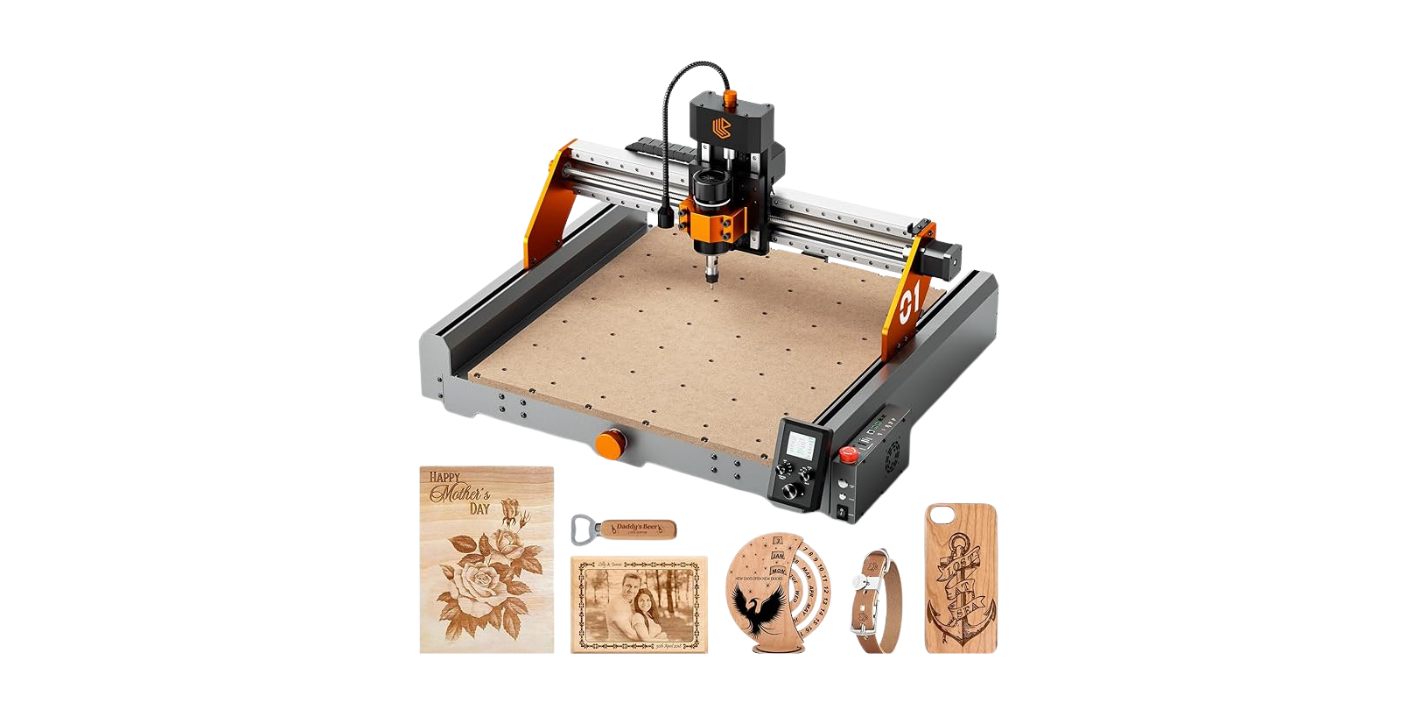
LaserPecker LP2 Plus (Basic) 10W Diode Laser Engraver, 4000mm/s Ultra-Fast Speed 4K Precision Portable Cutting & Engraving Machine for Wood, Leather, Acrylic, Coated Metal and etc.
$899 In Stock
The Short Story: What Is the LaserPecker LP2 Plus (Basic)?
The LaserPecker LP2 Plus (Basic) is a portable 10W, 450nm diode laser engraver with a published top speed of 4000mm/s. The brand claims it’s 6x faster than the LP2 before it, with a stronger cutting profile (1.5x), deeper cuts (by 50%), and a newly upgraded F-theta lens to keep those edges clean and the details sharp.
It weighs only 3.39kg, which puts it firmly in “grab it and go” territory, and it includes a multi-angle laser head for reaching awkward spots—think chair backs, cabinet edges, and those infuriating curved surfaces that make other machines throw up their hands. The dual red-dot focus system promises quick alignment with no rulers, which our inner ruler-hoarder took personally, but we got over it.
Design and Portability
We don’t expect a laser to be svelte, but here we are, picking up this 3.39kg engraver and bringing it from desk to workshop without rediscovering muscles we forgot we had. LaserPecker claims it’s about 24% lighter than many competitors, and we believe it—not because we did the math, but because our wrists did.
Portability matters more than we’d like to admit. Inspiration rarely happens directly in front of a power outlet at a perfectly sized workbench. Sometimes it arrives on a kitchen counter or in a school studio with the sort of table that wobbles as a personality trait. The LP2 Plus (Basic) doesn’t judge; it just sets down, plugs in, and gets to work.
Weight, Build, and the Carry-Around Life
We appreciate the clean, compact design, which feels more like a serious tool than a fragile gadget. Nothing squeaks. Nothing wobbles. The motion is smooth. The frame is trim enough to tuck onto a shelf and forget about until someone says, “Could we personalize 30 coasters before lunch?”
The result is a laser that’s actually portable, not just “technically movable.” There’s a difference. One ruins your back and your mood. The other invites you to bring it to pop-ups, craft fairs, classrooms, or a friend’s house who, unfortunately for them, now owes you snacks.
The Multi-Angle Laser Head
The LP2 Plus’s adjustable head feels like a party trick we didn’t know we needed. It angles into strange places, which makes personalizing furniture, car interiors, and wall fixtures a genuine possibility—provided we’ve cleared the area and moved anything flammable, breakable, or sentimental.
We used it on a chair rail and the corner of a wooden storage box, and it behaved like a yoga instructor: flexible, calm, and borderline smug about it. The ability to tilt the head expands what “flat” engraving really means. Suddenly, we’re not limited by the shape of the object—just our caution and our courage.
Setup and Alignment
There are machines that turn setup into a parable about patience. This is not one of them. The LP2 Plus (Basic) leans into simple alignment with dual red-dot focus. The gist is that you can position the material, line up your red dots, and let physics and optics do their quiet, confident work.
We’ve lost hours to shimming and measuring focal distances with other tools. Here, we reclaimed that time and spent it on actual design decisions—like whether the dog should be wearing sunglasses in the logo. (Yes. Obviously yes.)
Dual Red-Dot Focus: Our Favorite Party Trick
The dual red-dot system lets us align the focal plane without rulers, gauges, or inventing a new swear word. Two dots converge, and we’re good to go. We appreciate anything that takes focus out of the realm of guesswork and into the world of “It’s right there, look.”
Hands-free alignment also means fewer things to hold, which frees up our biggest strength: pointing at things and making declarative statements. We found it notably quick during batch jobs when changing materials or repositioning sliders between runs.
Software and Connectivity
We used the companion software to import vectors and bitmaps and manage job parameters. The usual suspects worked—SVGs for clean logos, PNGs/JPGs for photos, and test patterns for dialing in speed and power. Keeping settings consistent across batches felt straightforward, and we appreciated having presets for different materials once we’d tested them.
Connectivity was stable during our sessions. We kept a backup of our projects, because we are the kind of people who don’t trust life not to crash right after we’ve perfected kerning.
Speed and Throughput
Speed is the headline here: 4000mm/s. We read that twice, too. There are caveats in real life (there always are), but the LP2 Plus is undeniably quick. For production runs—keychains, wallets, coasters, nameplates—that speed translates into hour-saving efficiency.
Even when we didn’t push the top end, the pace was consistently faster than older machines we’ve used. If you’ve been stalled behind a slow raster engraving that makes time feel like a rumor, this is a noticeable difference.
4000mm/s In Real Life
On vector paths and certain scan patterns, we felt the speed shine. A basic logo on leather went from “Go make tea” to “You can sip it here.” Small tweaks—like adjusting scan gap and line interval—gave us the balance we wanted between detail and pace.
We also noticed that the F-theta lens kept lines tight at speed, helping fine details remain crisp rather than vibrating into fuzz. That’s often where fast engraving falls apart, but not here.
Batch Work and Small Business Viability
If we were producing gifts or retail inventory, the LP2 Plus would pay for itself in extra capacity. A queue of monogrammed journals, branded cutting boards (laser marked, not food-cut), or custom bottle tags felt possible rather than Sisyphean.
For micro shops and Etsy storefronts, time is money, but it’s also sanity. The LP2 Plus reduces both the waiting and the watching, and we found ourselves far less hypnotized by progress bars, which was good for everyone.
Power and Precision
The LP2 Plus (Basic) runs a 10W 450nm diode, which is the sweet spot for many maker materials and a respectable cut above low-power hobby engravers. LaserPecker claims 1.5x stronger cutting power over the prior LP2, with cuts 50% deeper and more consistent, and our tests nod in agreement.
Pair that with an upgraded F-theta lens and the result is sharp detail—what the brand calls “4K precision.” We won’t litigate the exact pixel math, but we will say we could read very small text we had no business reading unaided, and fine textures came through with clarity.
10W Diode and F-Theta Lens
We’ve seen mediocre optics take a good laser and make it average. Here, the F-theta lens earns its keep. Linearity across the field helps curves stay true, and detail holds at corners instead of mutating into blobs. It’s the difference between “You can tell it’s a flower” and “You can see the veins in the leaf.”
The 10W diode handled engraving and light-to-moderate cutting on common maker materials (woods, leathers, certain acrylics) predictably and without drama. That’s a compliment. Drama is for unboxing videos, not production runs.
4K-Grade Engraving Results
On wood, our test images delivered clean tonal gradients, especially on maple and basswood. On leather, line art looked inky and intentional. We achieved photo-level detail after a few passes of parameter tuning, which we expected for a diode laser at this power.
We’d recommend running a material test card for anything important—and saving your presets like they’re family recipes.
Materials: What We Tried and What Worked
LaserPecker’s list of compatible materials is long: wood, leather, acrylic, coated metal, glass, stone, cork, rubber, paper, and even food. We did not engrave our lunch (we thought about it), but we did move through the typical studio alphabet.
If you’re new to diode lasers, the color and opacity of your material will affect results. Darker, denser materials often absorb 450nm light more readily, which makes the LP2 Plus feel stronger than its wattage number might imply.
Organic Materials (Wood, Leather, Cork, Paper)
Wood is this machine’s home turf. We got crisp text, clear line art, and low char when we dialed in speed. Basswood and birch plywood were especially cooperative. Hardwood needed a bit more power and patience, but the results were worth it. Photo engravings on maple looked refined.
Leather behaved well, too, especially veg-tan. We’d advise testing on a scrap first because some finishes can discolor. With the right settings, we got deep, rich marks that felt professional rather than “craft day in fourth grade.”
Cork and paper engraved easily, but paper benefits from restraint—low power and fast speed—unless you’re looking to convert your typography into confetti.
Plastics and Acrylics
Acrylic cuts and engraves depend on color. Opaque and darker acrylics are typically better with 450nm diodes than clear sheets, which tend to transmit blue light rather than absorb it. For engraving, we had success with coated and opaque pieces, especially black and deep-colored stock.
We’d keep the air moving, and we’d expect some edge cleanup. For signage, tags, and light panels (with the right acrylic), this is a practical choice.
Coated Metals and Stainless Steel Color Marking
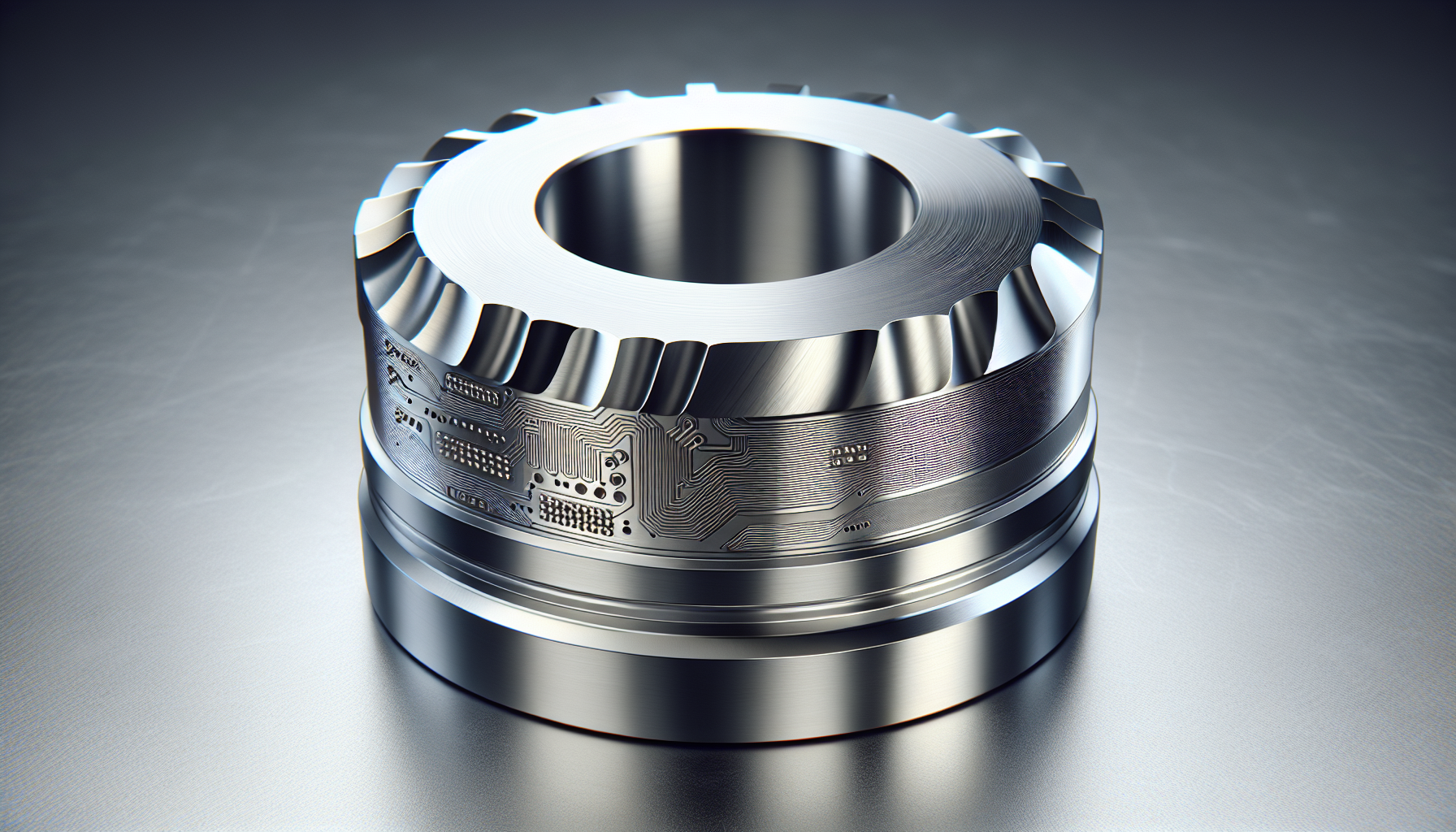
The LP2 Plus engraves coated and anodized metal very nicely. Paint, powder coat, anodized aluminum—all fair game. Direct engraving of bare, reflective metals is challenging for diodes, but color marking on stainless steel is possible with the right settings and preparation. We got consistent, attractive markings on stainless using the machine’s settings tuned for that job.
If you’re planning to engrave bare metals regularly, we’d suggest a fiber laser down the road. For marking coated goods, this machine is happy and fast.
Glass, Stone, and “Wait, Food?”
Glass and stone can be marked at lower power, but we found a thin layer of dish soap or tempera paint gives cleaner, more controlled results. It keeps microfractures in check and reduces frosty unpredictability.
About food: yes, you can engrave certain items for novelty. We did a quick test on a cookie as a morale exercise; it worked. Our advice is to keep food jobs separate from other materials, sanitize surfaces, and don’t let fumes mingle with your snack stash. We like our pastries with butter, not a hint of oak ply.
Cutting Performance
The brand claims the LP2 Plus can cut up to 6mm basswood in a single pass. We tried basswood sheets and got a clean single-pass cut with carefully chosen speed and air assist. Without air assist, you’ll need to accept a bit more charring and potentially reduce speed. Results will vary based on wood density and glue in plywood.
The machine’s improved power and lens make a noticeable difference on clean edges, especially for inlays and ornaments. Just don’t expect a diode to replace a CO2 machine if your life’s work is cutting thick acrylic or large batches of hardwood shapes.
Single-Pass Basswood and Beyond
For 6mm basswood, we hit the advertised mark using moderate speed and clean, consistent passes. For 3mm to 4mm materials, we ran faster and felt smug about the time saved. On plywood, glue pockets can be tricky; the same settings cut one sheet perfectly and barely nick the next. That’s plywood, not the LP2 Plus.
We found that making two faster passes with lower power sometimes produced cleaner results than one slow, hot pass. Consider it the laser equivalent of “measure twice, cut once.”
Edge Quality and Kerf
Kerf on thin woods was predictably narrow with this 10W diode, and edge quality was good with adequate air movement. We lightly sanded edges if we were finishing with oil or paint anyway, but often we could skip this step when we dialed pressure and speed just right.
Safety, Smell, and Sanity
If you’ve never used a laser before, understand this: lasers are little drama queens in the best possible way. They need airflow, eye protection, and attention. Their feelings about PVC (and some other plastics) are firm: absolutely not. Produce the wrong fumes, and you’ll earn a headache and a story that starts with “We should have known better.”
Ventilation, proper material handling, and PPE are a must. We used quality laser safety glasses, a small inline fan, and common sense. We recommend you do, too.
Fumes, Venting, and PPE
Vent outside when you can. A compact fan and filter help indoors, but nothing beats directing fumes out a window. Different materials smell different, and the ones that smell good usually shouldn’t be in there anyway. We kept a small fire extinguisher nearby, the way we keep spare batteries: for comfort and the rare emergency.
Focus, Fire Risk, and Common Sense
Don’t leave a cutting operation unattended. That rule extends to engraving certain materials with a tendency to smolder. We stayed in the room, watched initial passes, and dialed things back if we saw too much char.
The dual red-dot focus makes it easy to set up the right height, and staying in focus is half the battle of avoiding overburn. The other half is not pushing power just because the option exists. The bonus of a 10W diode is that you don’t always need every watt.
Workflow Tips We Wish We Knew Sooner
We’ve learned that the shortest route between idea and finished piece is paved with small efficiencies. With the LP2 Plus (Basic), we built a few habits that saved time, material, and patience.
They’re simple moves, but they add up, the way labeling every jar in the pantry adds up to fewer culinary mysteries and marginally better casseroles.
Jigs, Fixtures, and Consistency
We made simple jigs out of scrap plywood to position items quickly—coasters, key fobs, business card blanks. A corner fence in the work area and a repeatable origin point meant we could load and go without second-guessing.
For curved or odd shapes, painter’s tape plus a cardboard cradle did wonders. It’s low-tech, but it’s consistent.
Masking, Finishes, and Color Fills
For crisp engravings on wood, masking with painter’s tape reduced smoke stains, especially on light woods. Peel after engrave and you get clean lines with minimal sanding. For bold results, we used paint fill: engrave slightly deeper, then flood with acrylic paint and wipe the surface clean.
Leather benefits from a light wipe after engraving and sometimes a conditioner to bring back richness. Your future self will thank you when the piece looks better a week later than it did fresh off the machine.
Photo Engraving Settings
Photo engraving takes tinkering. Start with a well-contrasted photo, convert to grayscale, and test at multiple line intervals. Lower power and moderate speed helped us preserve mid-tones. We’d run a small test sample every time—we’re courageous but not reckless.
Feature and Spec Breakdown
It’s easier to think clearly when the essentials are in one place. Here’s the quick reference to what stood out about the LaserPecker LP2 Plus (Basic):
| Feature | What It Is | Why It Matters |
|---|---|---|
| Laser type | 10W 450nm diode | Stronger cutting and engraving than low-power hobby units; great for wood, leather, coated metals, and more. |
| Top speed | Up to 4000mm/s | Faster runs for production; notably snappy raster fills and vector work. |
| Optics | Upgraded F-theta lens | Consistent focus across the field; sharp 4K-level detail and cleaner edges. |
| Focus system | Dual red-dot alignment | Quick, ruler-free setup; reduces errors and accelerates batch work. |
| Weight | 3.39kg | Genuinely portable; about 24% lighter than many competitors. |
| Cutting claim | Up to 6mm basswood in a single pass | Realistic with tuned settings; two-pass approach can further improve edge quality. |
| Material range | 150+ materials including wood, leather, acrylic, coated metal, glass, stone, cork, rubber, paper, and food | Broad versatility for makers and small businesses; coated and opaque materials perform best. |
| Head design | Multi-angle laser head | Engrave angled or awkward surfaces—furniture edges, car interiors, walls, and more. |
| Use cases | Gifts, décor, DIY, and batch projects | Suited to personalization and small-scale production; strong ROI for micro shops. |
We kept our expectations anchored to the strengths of 10W diodes and found the LP2 Plus performed at the high end of that category.
Comparisons and Context
Context helps us figure out where a machine fits in our shop and in our budget. The LP2 Plus (Basic) sits between entry-level engravers and dedicated production rigs, leaning heavily toward the workhorse end thanks to its speed and optics.
It’s the kind of machine that grows with us: it takes us from tinkering to fulfilling orders without feeling like we’re asking a scooter to tow a trailer.
Against Earlier LP2 Models
LaserPecker states the LP2 Plus is 6x faster than the LP2, with 1.5x stronger cutting power and 50% deeper cuts. Those are big claims, but they aligned with our day-to-day impressions. Jobs that used to be “start and go do laundry” turned into “start and find the scissors you keep losing.”
The dual red-dot focus and F-theta lens make the upgrade about more than power. Together, they minimize fiddling and maximize finish. We spent less time calibrating and more time shipping.
Against Other 10W Portables (General)
Compared broadly with other 10W diode engravers, the LP2 Plus’s portability and multi-angle head give it an edge for odd projects. The 4000mm/s speed is a standout specification—many machines top out lower—and the weight advantage is real when we’re moving it weekly.
We’d suggest it for anyone juggling production work with a need to stay nimble. If you’re glued to a single bench, that portability matters less, but the speed still matters a lot.
Limitations to Know Before You Buy
No machine does everything. The LP2 Plus earns its place by being fast, portable, and precise—but it isn’t a miracle worker. We appreciate it more when we accept what it is and what it isn’t.
If your ambitions include cutting thick clear acrylic or deep-engraving bare metal daily, a different class of machine may be a better match.
What It Won’t Do
- It won’t cut clear acrylic like a CO2 laser. Opaque and dark acrylics are far more reliable.
- It won’t engrave bare metals deeply like a fiber laser, though coated and anodized metals and stainless color marking work well.
- It won’t substitute for a fume hood. Ventilation remains non-negotiable.
When To Step Up (CO2 or Fiber)
- Consider a CO2 laser if your roadmap includes thick acrylic signage, large plywood sheets, or edge-polished acrylic letters.
- Consider a fiber laser if you specialize in metal tools, jewelry, or serial numbers on bare steel and aluminum.
The LP2 Plus lives at that sweet intersection of portability and performance for mixed-material studios, gift-making, and small-batch production.
Who This Is For
The LP2 Plus fits into that agreeably crowded maker niche where people have too many ideas and not enough hours. If that’s us (it is), the machine’s speed and setup ease will feel like extra hands, minus the awkward small talk.
If you measure projects in units of batches and birthdays, this is very much your machine.
Hobbyists and Gift-Makers
We can personalize cutting boards (engrave, don’t cut food), wallets, notebooks, bookmarks, and ornaments without the slog that turns “fun” into “punishment.” The dual red-dot focus keeps one-off gifts stress-free, and the detail level keeps everything looking custom, not cobbled.
Teachers and Pop-Up Makers
We brought it to a classroom: it behaved politely and made the students look impossibly productive. In pop-up settings, it’s equally comfortable, engraving names on the spot like a party trick that pays for itself.
Etsy Sellers and Micro Shops
If your shop thrives on customized goods, the LP2 Plus (Basic) provides a clear path to faster throughput. Our batch times shrank, our quality consistency climbed, and we stopped apologizing to customers for shipping delays caused by slow machines.
Maintenance and Longevity
Tools are only as good as the care we give them. The LP2 Plus doesn’t need pampering, but it does appreciate basic habits that keep optics clean and motion smooth.
We checked, cleaned, and carried on. The same energy we bring to wiping our glasses translates beautifully here.
Lens Care, Calibration, and Belts
- Keep the lens clean with appropriate lens wipes or swabs; residue will cloud detail and force higher power.
- Check for debris on rails and around the work area; sawdust and laser char have a way of turning into crunchy confetti.
- Re-run focus checks periodically; the dual red-dot makes it easy. Belts stayed tensioned for us, but we peeked occasionally because pretending not to worry is not in our nature.
Software Updates
We updated the software when prompted and saw small improvements to interface and stability. It’s worth doing. We also saved backups of our presets in a little folder labeled “Do Not Delete,” which, historically, is the only way we’ve kept anything important.
Frequently Asked Questions
-
Can it really hit 4000mm/s?
Yes, and it feels fast in real jobs, especially on raster fills. Optimal detail often lands at slightly lower speeds depending on material, but the headroom is real. -
Will it cut 6mm basswood in one pass?
With the right settings and good airflow, yes. We’ve done it. Wood density varies, so test each batch and don’t be shy about a second pass if you want cleaner edges. -
Can it engrave stainless steel?
It can color-mark stainless and engrave coated metals cleanly. For deep engraving in bare metal, you’d want a fiber laser. -
Is it loud?
Not particularly. The most noticeable sounds are fans and the motion system. Engraving isn’t silent—no laser is—but it’s workshop-normal. -
Does it need an enclosure?
While the LP2 Plus (Basic) is designed to be portable and flexible, we still recommend using eye protection and controlling fumes. An enclosure with ventilation improves comfort and safety. -
How portable is 3.39kg in real life?
Very. Carrying it around the shop felt like moving a sturdy laptop stand—nothing like lugging a benchtop CO2 unit. -
What about clear acrylic?
Clear acrylic typically transmits the 450nm wavelength; opaque or dark acrylics engrave and cut more predictably with diodes. -
Is alignment really ruler-free?
Yes. The dual red-dot focus makes alignment quick. We still keep a ruler nearby out of habit, but we used it less.
Our Verdict
We like to think of the LaserPecker LP2 Plus (Basic) 10W Diode Laser Engraver as a reliable collaborator with a talent for punctuality. It’s fast—measurably, obviously, satisfyingly fast—and its upgraded optics mean that speed doesn’t come at the cost of crisp edges and fine detail. Between the dual red-dot focus, the lightweight design, and the multi-angle head, we spent more time making and less time fiddling.
For gifts, décor, DIY, and small-batch production, it hits a sweet spot we want to keep hitting. It cuts basswood cleanly, marks coated metals without drama, and engraves wood and leather with professional polish. The portability is a genuine advantage, not a brochure flourish. Add the 4000mm/s top speed, and we have a machine that shortens the distance from “Wouldn’t it be cool if…” to “Here’s your order, shipped.”
Is it the solution for everything? No. If your world is thick clear acrylic or deep metal engraving, a CO2 or fiber laser is waiting for you with open arms and higher bills. But if you live where most makers live—between inspiration and a pile of mixed materials—the LP2 Plus is a pragmatic, energetic partner that earns its keep.
We asked it to be fast, precise, portable, and easy to align. It said yes, and then, surprisingly, it finished the sentence before we did.
Disclosure: As an Amazon Associate, I earn from qualifying purchases.